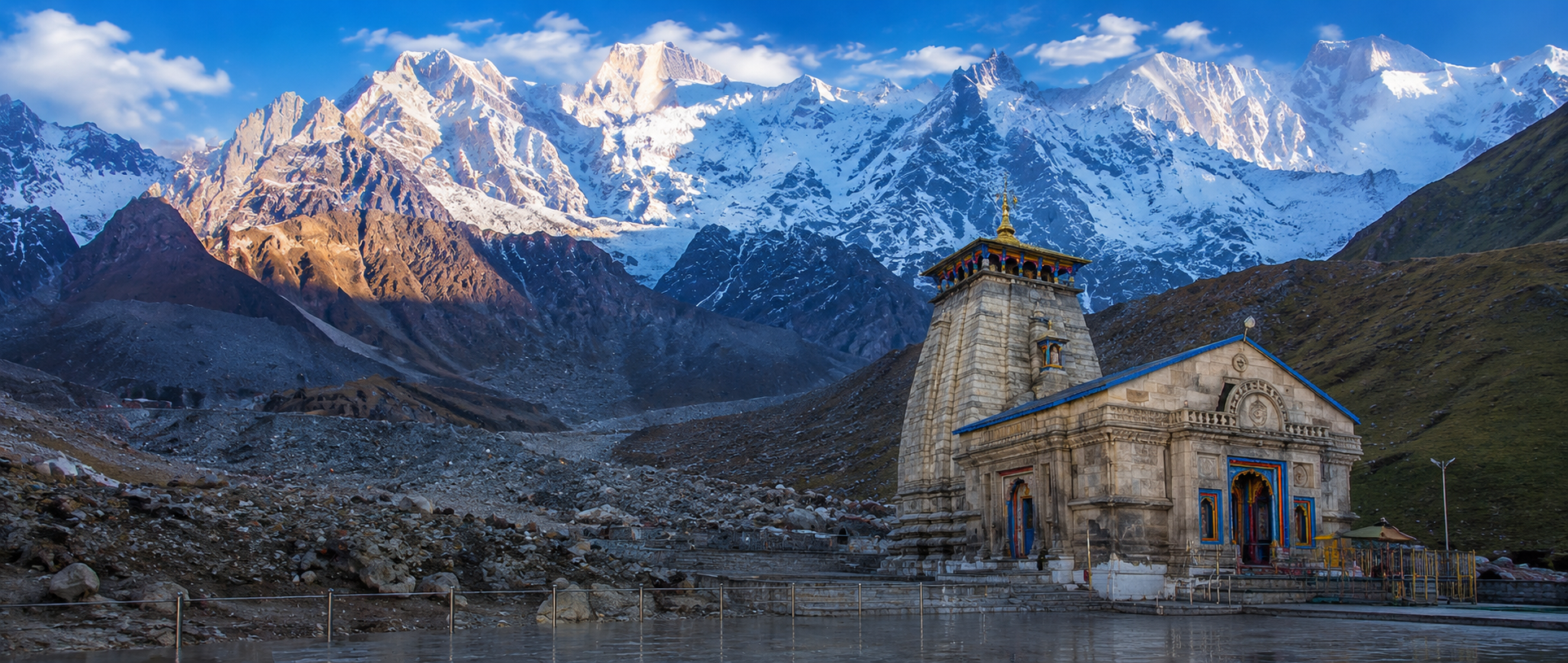
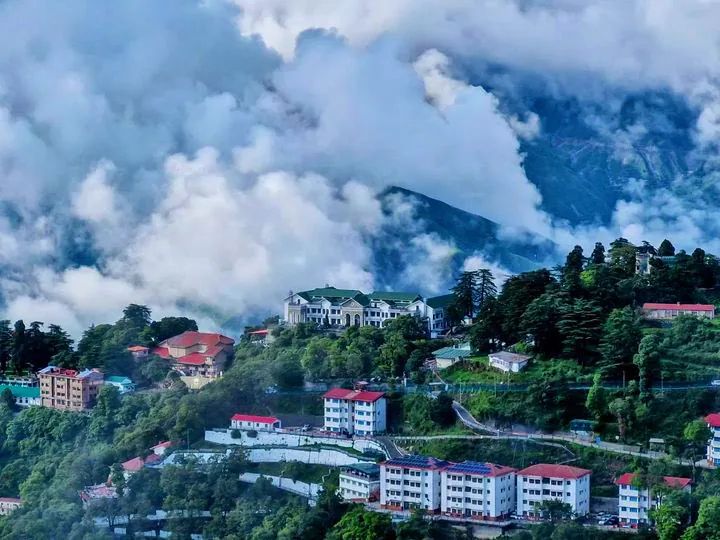
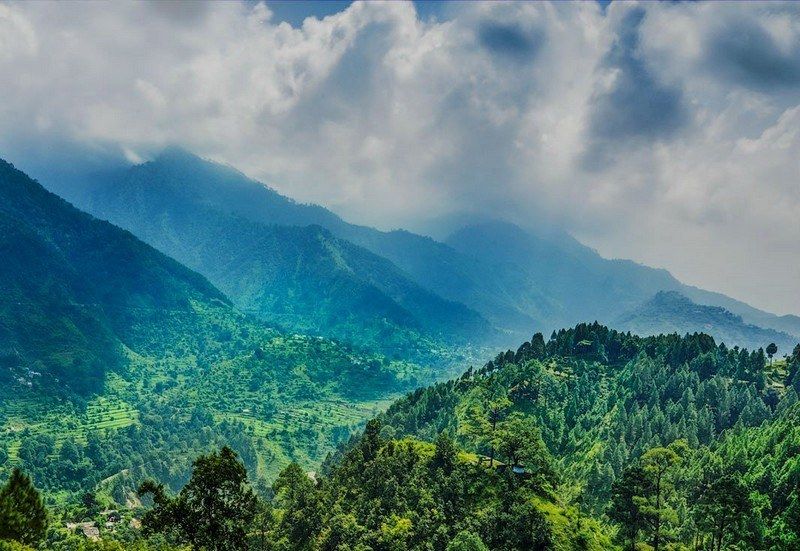
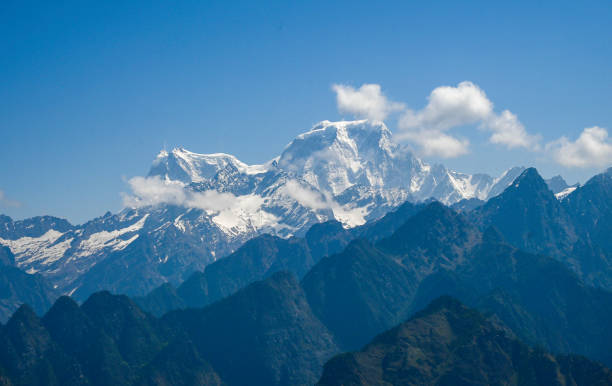
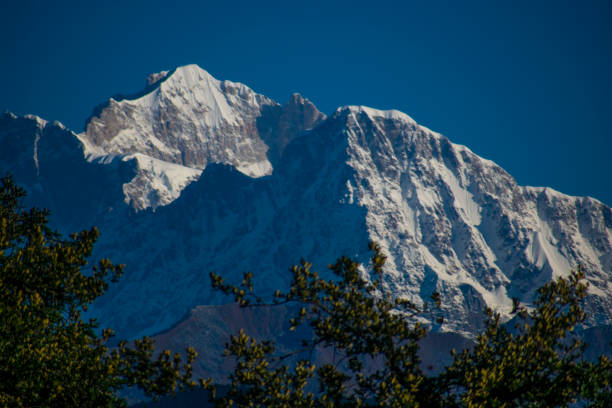
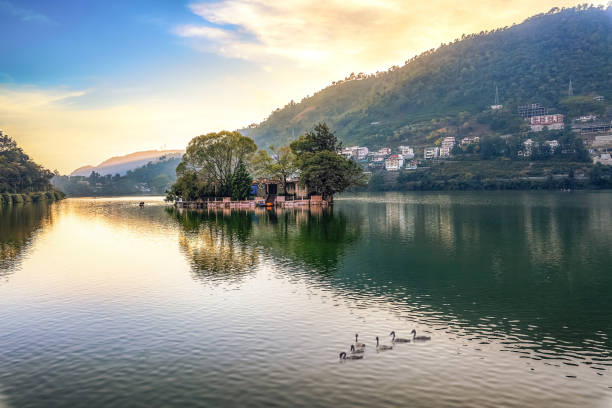
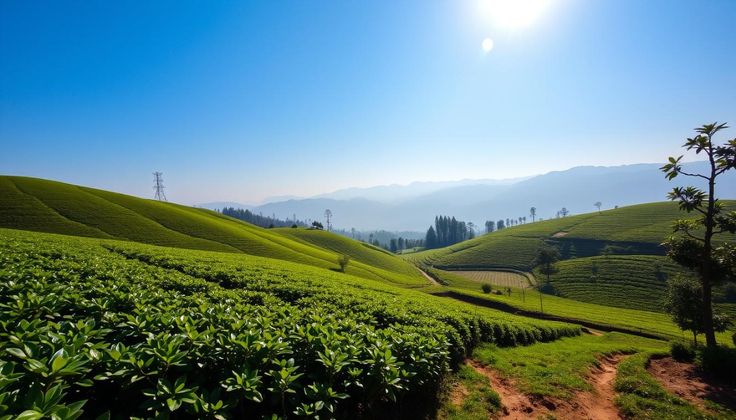
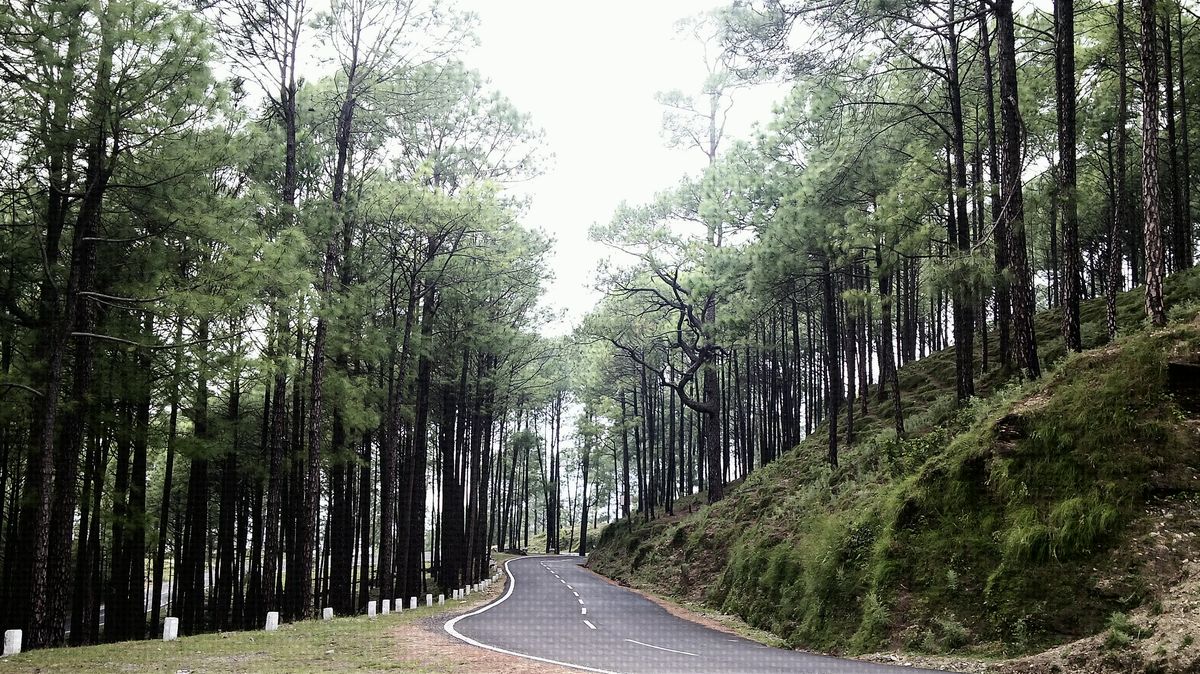
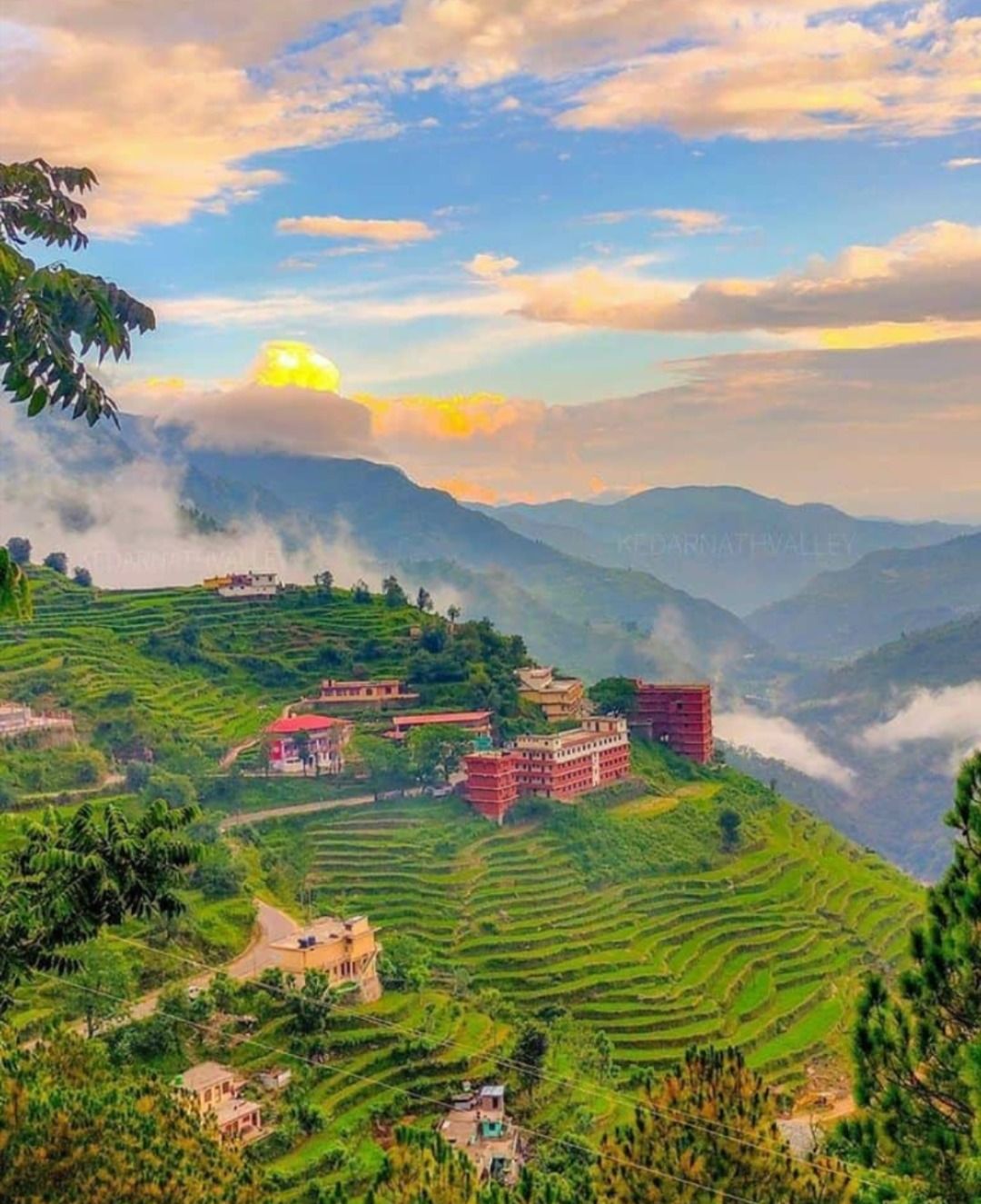
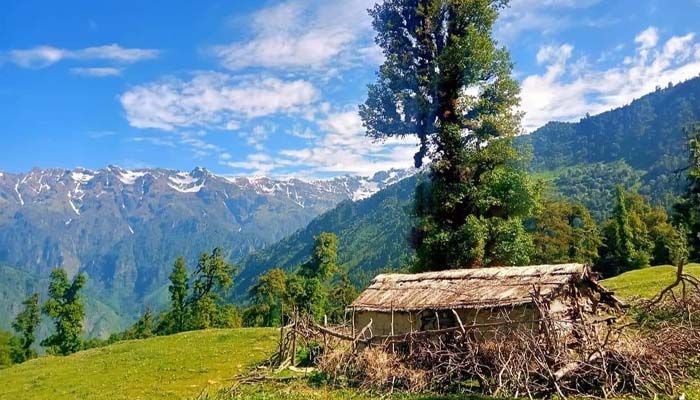
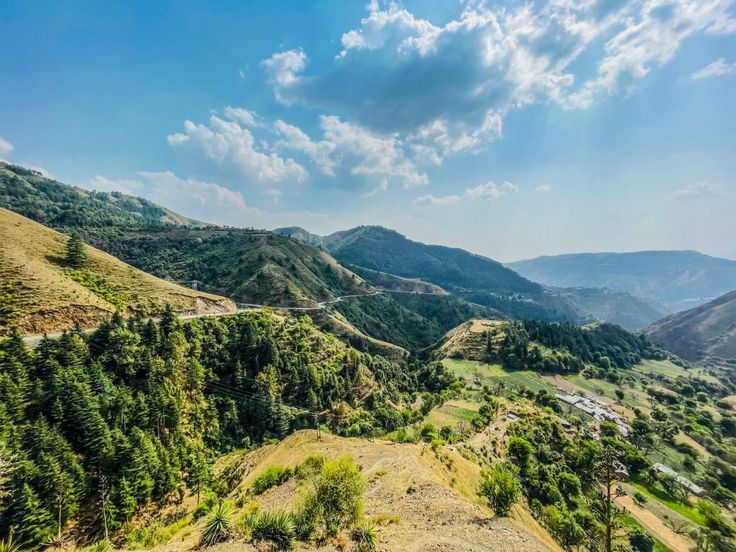
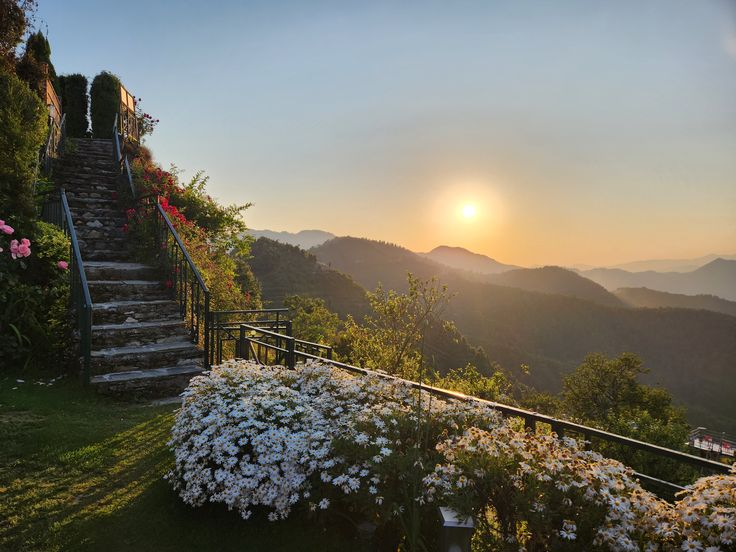
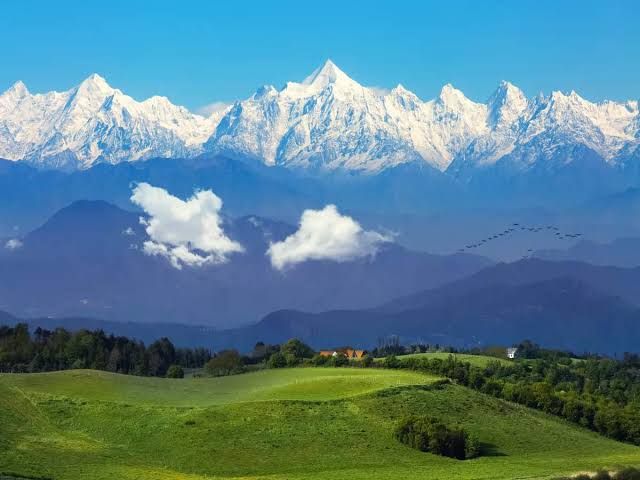
India's most famous hill stations Nainital, Mussoorie, Rishikesh, Haridwar are beloved for good reason. They have earned their popularity through decades of delighting visitors. But Uttarakhand is a state of extraordinary size and diversity, and its most famous names represent only a fraction of its treasures. Uttarakhand Offbeat Tour Packages open the doors to a quieter, untouched side of the Himalayas that exists far beyond the famous tourist circuits of Nainital, Mussoorie, Rishikesh, and Haridwar. While these iconic destinations are loved for their beauty and charm, Uttarakhand is filled with hidden mountain villages, peaceful valleys, dense forests, remote lakes, and lesser-known hill towns that offer a far more raw and authentic travel experience. For every crowded hill station, there is a serene destination like Munsiyari, Chakrata, Lansdowne, or Chaukori where nature feels untouched and time moves slower.
Our specially curated journeys are designed for travelers who want to escape the crowds and discover the true soul of the mountains. From unexplored trails and scenic village stays to hidden waterfalls and panoramic Himalayan viewpoints, these experiences allow you to connect deeply with nature, local culture, and the peaceful rhythm of Himalayan life.
Our Uttarakhand Offbeat Tour Packages are designed for a specific kind of traveller. Someone who has, perhaps, done the standard circuit and wants to go deeper. Or someone who knew from the start that they wanted something more real, more raw, more genuinely connected to the mountains, the culture, and the landscapes that make Uttarakhand one of the most extraordinary places on earth. These packages take you to the Uttarakhand that most travel itineraries never reach and they do so with the expertise, care, and logistical precision that makes even remote destinations accessible and enjoyable.
Why Choose an Offbeat Uttarakhand Experience?
The benefits of offbeat travel in Uttarakhand are both practical and profound. On a practical level, you avoid the overcrowding and infrastructure strain of peak-season popular destinations. Roads are clearer, accommodations are more peaceful, restaurants are unhurried, and the natural environments you've come to see are actually visible not obscured by queues and souvenir stalls.
On a deeper level, offbeat travel in Uttarakhand opens a window into a Himalayan world that is rapidly changing. The villages, traditions, handicrafts, agricultural practices, folk music, and architecture of Uttarakhand's remote areas represent a living cultural heritage of immense value one that rewards the curious traveller with experiences of genuine human connection and cultural discovery that are simply not available in more touristified settings.
And then there is the landscape itself. The mountains, forests, rivers, meadows, and wildlife of Uttarakhand's less-visited areas are frequently more spectacular than the famous spots simply because fewer people have noticed them yet.
Uttarakhand Offbeat Tour Packages by Travel Style
Our Uttarakhand Offbeat Tour Packages are designed for different types of travelers seeking unique mountain experiences.
1. Nature & Peace Retreat Packages
Perfect for travelers looking to disconnect from city life and relax amidst forests, rivers, and mountain silence. These tours focus on scenic stays, slow travel, and peaceful surroundings.
2. Offbeat Adventure Packages
Ideal for thrill seekers who want trekking, camping, village walks, and hidden Himalayan trails combined with lesser-known destinations.
3. Couple & Honeymoon Packages
Romantic mountain escapes featuring secluded stays, cozy weather, and breathtaking Himalayan views away from crowded tourist spots.
4. Photography & Landscape Packages
Designed for photography lovers wanting sunrise views, misty valleys, wildlife, forests, and authentic Himalayan village life.
5. Weekend Offbeat Packages
Short 2–3 day escapes to peaceful hill destinations like Lansdowne, Kanatal, and Chopta for quick rejuvenation.
6. Culture & Village Experience Packages
Experience local traditions, Garhwali and Kumaoni culture, traditional food, and village lifestyles in remote Himalayan regions.
Popular Uttarakhand Offbeat Tour Packages by Vayable Trip
1. Chopta Escape Package 3 Days / 2 Nights- Experience peaceful forests, Tungnath Temple trek, and breathtaking Himalayan sunsets.
2. Kanatal & Dhanaulti Retreat 4 Days / 3 Nights- A relaxing mountain getaway with camping, nature walks, and scenic viewpoints.
3. Munsiyari Himalayan Explorer 5 Days / 4 Nights- Explore one of Uttarakhand’s most remote and scenic mountain destinations.
4. Kausani – Chaukori – Binsar Tour 6 Days / 5 Nights- A slow travel experience through hidden Kumaon villages and Himalayan landscapes.
5. Offbeat Uttarakhand Road Trip 7 Days / 6 Nights- An unforgettable road journey covering peaceful hill towns, forests, and hidden valleys.
What's included in Our Offbeat Uttarakhand Holiday Packages
1. Accommodation: Boutique homestays, heritage guesthouses, forest bungalows, luxury tented camps, and community-run accommodations all carefully selected for authenticity, quality, and local character.
2. Transportation: Private vehicle transfers to and from remote trailheads and villages, with experienced local drivers familiar with mountain roads.
3. Guided Experiences: Local community guides who know these places intimately not just the geography, but the stories, the wildlife, the history, and the people.
4. Cultural Immersion: Village walks, local cooking experiences, traditional music and dance demonstrations, artisan workshops, and farm/orchard visits where relevant.
5. Meals: Locally sourced, home-cooked meals featuring authentic regional cuisines Kumaoni, Garhwali, or Jaunsari, depending on the destination.
6. Nature Activities: Forest walks, birdwatching with experienced naturalists, stargazing sessions, river walks, and photography excursions.
7. Trekking Add-ons: Short treks and hikes available at most offbeat destinations as optional extras.
8. Flexibility: All offbeat itineraries are designed with built-in flexibility because the essence of offbeat travel is the freedom to follow your curiosity.
8. 24/7 Support: Our team is always reachable throughout your journey.
Hidden Destinations Covered in Our Uttarakhand Offbeat Tour Packages
Munsiyari – Little Kashmir of Uttarakhand
Location: Pithoragarh District, Kumaon | Altitude: 2,200 m
Munsiyari is perhaps the most spectacular of all Uttarakhand's offbeat destinations a small mountain town at the end of a long valley road in the Pithoragarh district of Kumaon, with a backdrop that has to be seen to be believed. The town sits directly below the magnificent Panchachuli massif five snow-capped peaks ranging from 6,334 to 6,904 metres, arranged in a dramatic wall of ice and rock that dominates the entire sky to the north. From Munsiyari's main viewpoints, particularly Khaliya Top (3,500 m), the view of Panchachuli at sunrise is one of the most magnificent mountain panoramas in India.
Beyond its extraordinary setting, Munsiyari is a genuine cultural destination. It is a key access point for the high-altitude Johar Valley, historically used by Bhotia traders on the ancient Silk Route to Tibet. The Tribal Heritage Museum here, run by a passionate local naturalist, documents the vanishing culture of the Shaukas the Bhotia trading community with a remarkable collection of artefacts, textiles, and photographs. Treks from Munsiyari to Khaliya Top, the Milam Glacier, and Ralam Glacier are among the finest in the Kumaon Himalaya.
Chakrata – The Forgotten Hill Station
Location: Dehradun District, Garhwal | Altitude: 2,118 m
Just 98 km from Dehradun, Chakrata is a cantonment hill town that remains largely unknown to mainstream tourists a fact that is both its greatest secret and its greatest charm. The town is surrounded by some of the finest deodar cedar forests in the western Himalaya, through which walk leopards, barking deer, and Himalayan birds in extraordinary variety. Tiger Falls a 312-foot (95 m) waterfall accessible via a short forest trek from Chakrata is one of the most impressive and least-visited waterfalls in Uttarakhand. The Deoban ridge (2,987 m) above Chakrata offers extraordinary views of the Himalayan range from Kedarnath to Bandarpunch, through dense mixed forest that is silent except for birdsong.
Chakrata is also of special interest to tribal culture enthusiasts the Jaunsar-Bawar region it sits within is home to the Jaunsaris, a community with a unique culture, dialect, and traditions that are distinct from mainstream Garhwali society. Their polyandrous family structures, distinctive wooden architecture, and vibrant folk festivals are the subject of significant anthropological interest.
Lansdowne – Colonial Serenity in the Garhwal Hills
Location: Pauri Garhwal District | Altitude: 1,706 m
One of India's few remaining truly quiet hill stations, Lansdowne is a Garhwal Rifles cantonment town established in 1887 and named after the then Viceroy of India. It has changed remarkably little since the colonial era broad, tree-lined avenues, stone churches, regimental buildings, and a general atmosphere of order and quiet that feels wonderfully anachronistic in the best possible way. The town is surrounded by thick oak and blue pine forest, excellent for birdwatching and quiet forest walks. Bhulla Lake, the Tarkeshwar Mahadev Temple (a beautiful Shiva temple in deep forest 36 km away), and the Garhwal Rifles regimental museum are the main attractions.
Lansdowne is ideal for travellers who want complete peace and quiet no nightlife, no crowded bazaars, no Instagram queues. Just cool air, forest, and the gentle rhythm of a small Himalayan cantonment town.
Kanatal – The Hidden Meadow Village
Location: Tehri Garhwal District | Altitude: 2,590 m
Located between Chamba and Dhanaulti on the Mussoorie-Tehri road, Kanatal is a tiny Himalayan hamlet that has begun to attract attention as a destination for camping and glamping and deservedly so. The village sits in a quiet meadow surrounded by deodar and oak forest, with views of the Himalayan range on clear days. The atmosphere is one of complete rural tranquillity no crowds, minimal traffic, clean mountain air, and the kind of silence that you realise you have been craving without knowing it.
Our Kanatal packages offer glamping (luxury tented accommodation) and camping experiences, combined with forest walks, bonfire evenings under spectacular starry skies, and day excursions to nearby Dhanaulti and Surkanda Devi Temple. It is an ideal destination for city dwellers seeking a genuine digital detox.
Binsar – The Himalayan Panorama Sanctuary
Location: Almora District, Kumaon | Altitude: 2,412 m
Binsar Wildlife Sanctuary in the Kumaon hills is a destination of extraordinary quiet beauty — a dense forest reserve centred on the ancient Zero Point viewpoint, from which, on clear days, you can see a 300 km stretch of the Himalayan range including Kedarnath, Chaukhamba, Trishul, Nanda Devi, Panchachuli, and Nanda Kot arguably one of the finest panoramic Himalayan views in India. The sanctuary itself is a haven for Himalayan wildlife leopards, Himalayan black bears, barking deer, red foxes, and over 200 species of birds including the cheer pheasant and Himalayan griffon.
The nearby Almora town is a beautiful, historically significant Kumaoni hilltop settlement with ancient temples (Chitai Golu Devta, Nanda Devi), fine handloom shops, and an excellent sense of local culture. The combination of Binsar's wildlife sanctuary and Almora's cultural richness makes this one of the finest offbeat circuits in Uttarakhand.
Mukteshwar – Orchard & Ridge Town
Location: Nainital District, Kumaon | Altitude: 2,286 m
About 51 km from Nainital and perched on a ridge with spectacular Himalayan views, Mukteshwar is a small, beautiful hill town centred on the ancient Mukteshwar Dham — a Shiva temple over 350 years old, set dramatically at the edge of a cliff with a sheer drop of hundreds of metres on one side. The famous Chauli ki Jali (a rock face with holes through which devotees must squeeze to have wishes granted) is directly adjacent to the temple and offers vertiginous but thrilling views.
Mukteshwar is also an excellent destination for apple, peach, and plum orchard experiences (particularly from July to September), gentle forest walks, and simply sitting on your hotel terrace watching the Himalayan range change colour through the day. The sunrise and sunset views over the Kumaon valleys from Mukteshwar are exceptional.
Khirsu – The Undiscovered Orchard Village
Location: Pauri Garhwal District | Altitude: 1,700 m
A small, virtually unknown village about 19 km from Pauri, Khirsu is a place of quiet, apple-orchard beauty that few outside the region have visited. The village is set on a forested ridge with magnificent views of the Himalayan range including Nanda Devi, Trishul, Chaukhamba, and Kedarnath. Apple, pear, and walnut orchards surround the village, and the local wildlife includes barking deer and hundreds of bird species. Khirsu has a few good guesthouses and is best experienced at a slow pace — long walks, local food, village interactions, and complete quietude.
Bageshwar & Kausani – The Kumaon Gems
Location: Kumaon Himalaya | Altitude: 960 m (Bageshwar); 1,890 m (Kausani)
Bageshwar is a river-junction town at the confluence of the Saryu and Gomti rivers, regarded as sacred in Hindu tradition and serving as the gateway to the Pindari and Kafni Glacier treks. It has ancient temples, a vibrant market, and an unhurried quality that makes it a genuinely pleasant destination. Kausani, 38 km from Bageshwar, is a ridge village famous for its tea gardens and a Himalayan panorama that Mahatma Gandhi, who visited in 1929, called the "Switzerland of India." The Anasakti Ashram where Gandhi stayed is open to visitors. Both destinations are deeply authentic and largely undiscovered by mass tourism.
Niti & Mana – The Last Indian Villages
Location: Chamoli District, near Badrinath | Altitude: 3,600+ m
The remote border villages of Niti and Mana the latter officially the last Indian village before the Tibet border offer an extraordinary and genuinely rare travel experience. Mana, accessible from Badrinath, is a small Bhotia village where ancient stone houses, local weaving traditions, and the proximity of the Saraswati River and Vyas Gufa (a cave where the sage Vyas is said to have composed the Mahabharata) create a setting of powerful mythological and cultural interest. Niti Valley, reached via a more challenging road, offers high-altitude frontier landscapes of stark, dramatic beauty unlike anywhere else in Uttarakhand.
Adventure Activities in Offbeat Uttarakhand
Offbeat Uttarakhand is a paradise for travelers who love nature, thrill, and unique outdoor experiences away from crowded tourist spots. From hidden mountain trails to peaceful forest adventures, these lesser-explored destinations offer unforgettable activities for every adventure enthusiast.
1. Trekking Through Hidden Himalayan Trails – Explore scenic routes in Chopta, Munsiyari, Khirsu, and other untouched mountain regions surrounded by forests and snow peaks.
2. Camping Under the Stars – Enjoy peaceful nights in alpine meadows, forest camps, and riverside locations far away from city noise.
3. Birdwatching in Pangot & Binsar – Spot rare Himalayan birds and enjoy nature walks through dense oak and pine forests.
4. Village Walks & Cultural Exploration – Experience traditional Himalayan village life, local cuisine, and authentic Garhwali and Kumaoni culture.
5. Mountain Biking Through Scenic Routes – Ride through winding hill roads, forest trails, and remote mountain villages.
6. Bonfire & Riverside Experiences – Relax beside rivers and forests with bonfires, music, and breathtaking night skies.
7. Nature Photography & Sunrise Viewpoints – Capture panoramic Himalayan landscapes, misty valleys, and golden sunrise moments from hidden viewpoints.
8. Forest Hiking & Wildlife Exploration – Explore peaceful forest reserves and natural trails rich in Himalayan flora and fauna.
9. Rock Climbing & Rappelling – Available in select offbeat destinations for travelers seeking adrenaline-filled outdoor activities.
10. Snow Walks & Winter Adventures – Experience snowfall, snow trekking, and peaceful winter landscapes in destinations like Chopta and Munsiyari during the winter season.
These activities make Offbeat Uttarakhand the perfect destination for travelers who want to combine adventure with peace, nature, and authentic Himalayan experiences.
Best Time for Offbeat Uttarakhand Travel
Spring (March to May): Rhododendrons transform the hillsides into seas of red and pink. Fruit trees blossom in the orchard villages. Perfect for Munsiyari, Binsar, Mukteshwar, and Chakrata.
Summer (June): Pleasant temperatures across all altitudes. Clear skies before the monsoon. Ideal for high-altitude destinations like Munsiyari and Kanatal.
Autumn (September to November): The finest season for almost all offbeat destinations. Crystal-clear mountain views, pleasant temperatures, colourful forests, and minimal crowds. Strongly recommended.
Winter (December to February): Some offbeat destinations like Lansdowne and Khirsu are magical in winter — quiet, occasionally snow-dusted, and extraordinarily peaceful. Higher destinations like Munsiyari receive significant snowfall and require prior preparation.
Why Choose Our Uttarakhand Offbeat Tour Packages?
Our Uttarakhand Offbeat Tour Packages are carefully crafted to deliver authentic, comfortable, and memorable mountain experiences:
- Handpicked offbeat destinations away from heavy tourist crowds.
- Comfortable stays in scenic resorts, cottages, and mountain homestays.
- Well-planned itineraries balancing relaxation and exploration.
- Safe transportation and experienced local support.
- Transparent pricing with no hidden costs.
- Flexible customization for couples, families, solo travelers, and groups.
- Dedicated assistance from Vayable Trip throughout your journey.
Plan Your Hidden Himalayan Escape with Vayable Trip
Discover the quieter and more authentic side of the Himalayas with our expertly designed Uttarakhand Offbeat Tour Packages. Whether you seek peace, adventure, romance, or cultural experiences, Uttarakhand’s hidden gems offer journeys filled with beauty and unforgettable memories.
Book your offbeat mountain getaway with Vayable Trip and explore Uttarakhand beyond the usual tourist trails.