8988133331
Home/Packages/ Alleppey Tour Packages
Destination
Where To?
Check-in
Check-out
Guests

1 R. 2 Ad. 0 Ch.

Kerala Tour Packages

Kerala is one of the few destinations in India where a single journey can include mist-covered tea plantations, wildlife-rich forests, tropical backwaters, Arabian Sea beaches, temple festivals, spice estates, and centuries-old port cities shaped by global trade, making Kerala tour packages among the most diverse travel experiences in the country. From the tea slopes of Munnar and the tiger forests of Periyar Tiger Reserve to the houseboats of Alappuzha and the cliff beaches of Varkala, Kerala offers extraordinary geographical and cultural diversity within relatively short travel distances.

Often called “God’s Own Country,” Kerala stretches between the Arabian Sea and the Western Ghats, creating one of the most fertile and visually distinctive landscapes in India. The state’s tourism appeal lies not in a single attraction but in how seamlessly different experiences connect together. A Kerala itinerary can begin with colonial heritage walks in Kochi, continue into the cool mountain air of Munnar, move south through spice plantations and wildlife reserves in Thekkady, and end with a sunset houseboat cruise through the backwaters of Alleppey or Kumarakom.

At Vayable Trip, our Kerala tour packages are designed around that rhythm. We do not build rushed itineraries that attempt to “cover” Kerala in the shortest possible time. Instead, our packages are structured around meaningful experiences, realistic travel distances, carefully selected stays, and local knowledge that helps travellers experience Kerala beyond the standard tourist checklist.

Top Tourist Attractions to Explore in Kerala Tour Packages

1. Munnar- Where Tea Meets the Sky

Munnar sits at 1,600 metres in the Idukki district of Kerala, where three mountain rivers meet and the hills roll in every direction covered by the world's highest tea plantations. The 80,000 acres of tea estates that blanket the slopes were planted by the British from the 1870s onwards and still produce some of India's finest high-grown tea. But Munnar is not just tea, it is also home to Eravikulam National Park, where the critically endangered Nilgiri Tahr roams freely above 2,000 metres, and to Anamudi, South India's highest peak at 2,695 metres. The cool mist that rolls in each afternoon, the precise geometry of the tea rows against the green hillsides, and the silence between the mountains make Munnar one of the most visually distinctive destinations in South India.

Every competitor packages Munnar the same way: Mattupetty Dam, Echo Point, Top Station, and a tea factory tour all in one rushed day. Our Munnar itineraries are built differently. A dawn walk through the Eravikulam Park before the crowds arrive, when the Nilgiri Tahr graze on the open grasslands. A private spice garden visit in Marayoor, the only place in Kerala where sandalwood grows wild. An evening at a plantation bungalow converted to a heritage stay, where the tea slopes are visible from your window at sunrise. We also include Chinnar Wildlife Sanctuary on the Munnar-Tamil Nadu border, one of Kerala's driest and least-visited reserves, for guests who want genuine wildlife without the Periyar crowds.

Best Time to Visit- September to May (pleasant hill station weather) • October to March (clearest skies, best trekking) • Monsoon (June–August) mist and rain but stunning green, fewer tourists and lower prices • avoid April (hottest month in the valleys below)

Places to Visit- Eravikulam National ParkKolukkumalai Tea EstateMattupetty DamTop StationAttukal WaterfallsMarayoor Sandalwood ReserveChinnar Wildlife SanctuaryRajamalaEcho Point

What to Eat- Kerala Sadya (traditional banana-leaf feast, best on Fridays at local restaurants) • Puttu and Kadala Curry (steamed rice cylinders with chickpea curry) • Appam with Stew • Fresh Munnar tea at the KDHP Tea Museum • Jackfruit chips • Homemade plum wine at plantation estates

Top Things to Do in Munnar

  • Eravikulam National Park- the only place in the world to see Nilgiri Tahr up close; arrive at gate opening (7 AM) before queues build.
  • Anamudi Peak viewpoint trek- South India's highest peak at 2,695 m, trekking permitted only with forest department guide.
  • Tea estate walk at dawn- walk the rows before 7 AM when the light is low and the pluckers begin work; the Kolukkumalai estate (the world's highest tea estate) is the finest.
  • Mattupetty Dam and Indo-Swiss dairy farm- the dairy farm is genuinely interesting, the dam is best early morning before it becomes crowded.
  • Marayoor Sandalwood Reserve and Dolmens- natural sandalwood forest, 40 km from Munnar, with prehistoric dolmen burial chambers in adjacent meadows.
  • Chinnar Wildlife Sanctuary (60 km)- dry deciduous forest very different from Munnar's wet hills, excellent for elephant and giant grizzled squirrel sightings.

2. Alleppey (Alappuzha)- Backwaters and the Houseboat Experience

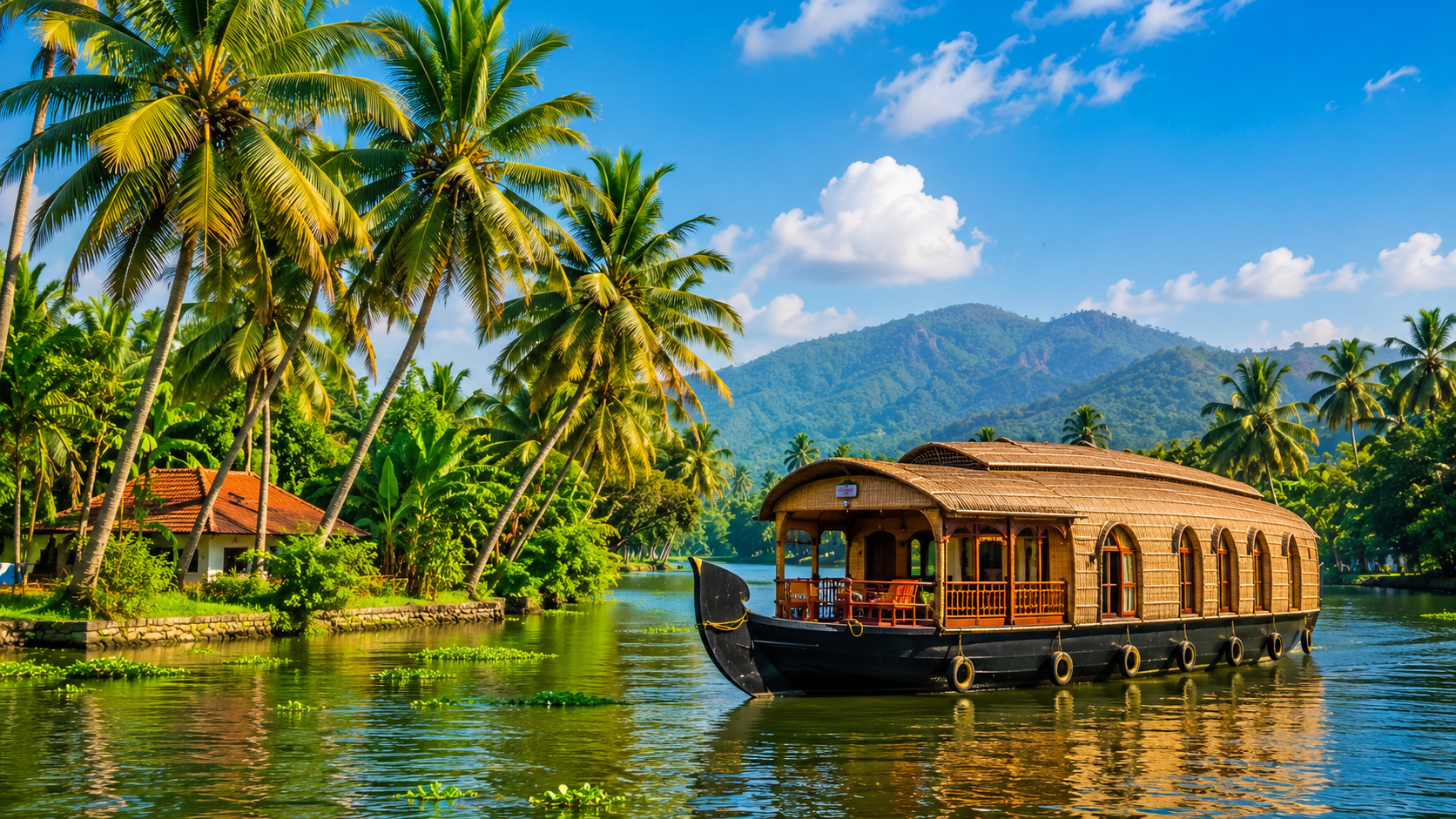
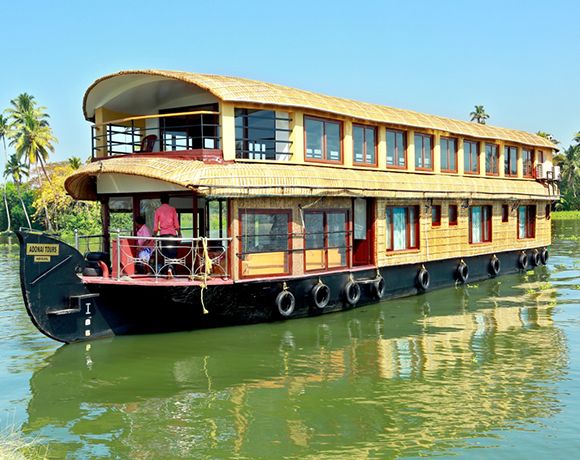
Alleppey officially Alappuzha sits at the heart of Kerala's backwater network: 900 kilometres of interconnected canals, rivers, lakes, and lagoons that run parallel to the Arabian Sea coast, separated only by narrow strips of land lined with coconut palms. The Vembanad Lake, Kerala's largest, spreads across 2,033 square kilometres and is the stage for the Nehru Trophy Boat Race  the most famous snake boat race in India, held every August on the second Saturday. The traditional kettuvallam (rice barge) converted into a floating hotel the Kerala houseboat is the most sought-after accommodation experience in South India and the image that defines Kerala tourism worldwide. Alleppey is the point from which most houseboat journeys begin, and the town itself has a network of canals that earn it the name "Venice of the East."

The houseboat experience ranges from extraordinary to deeply disappointing depending entirely on which boat you book and which route you take. Our Alleppey packages handle both carefully. We work with a small selection of premium houseboats wooden kettuvallams with solar power, proper bedrooms rather than converted cargo holds, and cooks who prepare fresh Karimeen (pearl spot fish) curries on board. We route guests away from the crowded Punnamada Lake circuit towards the quieter Kuttanad backwater channels where the boat passes through working villages, bird-rich paddy fields, and stretches of water so still they perfectly mirror the sky. We also offer kayaking through the narrow village canals an experience that gets you far closer to backwater life than any motorised houseboat.

Best Time to Visit- November to February (best houseboat weather, calm water) • August (Nehru Trophy Boat Race book 3 months ahead) • September to March (overall peak season) • Monsoon (June–August) the backwaters fill and the landscape turns brilliant green, but rain can be heavy

Places to Visit- Vembanad LakePunnamada LakeKuttanad BackwatersAlleppey BeachMarari BeachKrishnapuram PalacePathiramanal IslandAlappuzha Lighthouse

What to Eat- Karimeen Pollichathu (pearl spot fish wrapped in banana leaf and grilled Alleppey's signature dish) • Kerala Prawn CurryTapioca with Fish Curry • Toddy (palm wine) with spicy fish fry at lakeside toddy shops • Coconut-based fish curries on the houseboat • Chemeen Biryani

Top Things to Do in Alleppey

  • Overnight houseboat cruise- the definitive Kerala experience; book a premium wooden kettuvallam, not a budget fiberglass boat
  • Nehru Trophy Snake Boat Race (August, second Saturday)- 100+ snake boats with up to 100 rowers each, a visceral and extraordinary spectacle
  • Kayaking through village canals- narrow channels inaccessible to houseboats, through working villages and paddy fields
  • Kuttanad village walk- guided walk through Kerala's below-sea-level rice bowl, paddy fields, church-dotted villages, and toddy shops
  • Alleppey Beach and Lighthouse- the town's 150-year-old lighthouse offers a fine view over the backwaters and the sea at sunset
  • Marari Beach (12 km north)- one of Kerala's finest and least commercialised beaches, lined with fishing village homes

3. Thekkady & Periyar- Spice, Wildlife, and the Western Ghats

Thekkady is the town; Periyar is the tiger reserve that surrounds it on three sides and spills down into the Periyar Lake, a reservoir created in 1895 whose waters brought elephants, gaur, sambar, and tigers to its banks and made the entire landscape one of India's most productive wildlife habitats. The Periyar Tiger Reserve covers 925 square kilometres of the Western Ghats, and the boat ride on Periyar Lake is Kerala's most iconic wildlife experience not for guaranteed tiger sightings, which are rare, but for the near-certain sightings of wild elephants drinking at the water's edge in the early morning. The hills around Thekkady are blanketed with spice, tea, and coffee plantations that produce cardamom, pepper, vanilla, and cinnamon, the spices that made Kerala one of the most traded regions on earth for two thousand years.

Most Thekkady packages offer the boat ride, a spice garden visit, and a Kathakali performance and call it done. Our itineraries go considerably deeper. The Periyar Tiger Reserve border hiking trail, a 4-hour guided walk inside the reserve boundary gives a genuine forest experience that the boat ride cannot. The Green Mansions spice plantation walk is built around a local family's working estate rather than the commercial spice shows near the main road. For guests who want more than Periyar, we add Mangala Devi Temple and a bamboo rafting experience on the Periyar River both significantly less crowded than the main lake boat circuit.

Best Time to Visit- October to June (wildlife season, spice harvest) • November to February (best weather, Cardamom Hills at their most atmospheric) • Monsoon (June–August) — beautiful mist, very few tourists, but some trails closed

Places to Visit- Periyar LakePeriyar Tiger ReserveKumily Spice MarketMangala Devi TempleAbraham's Spice GardenPandikuzhiChellarkovil Viewpoint

What to Eat- Cardamom Tea (the local specialty, brewed fresh from estate-grown cardamom) • Kerala Chicken Stew with AppamIdiyappam with Egg Curry • Bamboo Rice (in tribal homestays near the reserve) • Spice-infused Kerala Biriyani • Ela Ada

Top Things to Do in Thekkady

  • Periyar Lake boat ride at dawn (6 AM departure)- wild elephant sightings almost guaranteed in the cool hours before the day-trippers arrive.
  • Periyar Tiger Reserve border trek (4 hours, guided, forest department permit required)- the most immersive wildlife experience in the park.
  • Spice plantation walk- visit a working cardamom and pepper estate, not the commercial displays on the main road.
  • Bamboo rafting on the Periyar River- 2-hour guided raft through the buffer zone, excellent bird sightings and occasional elephant encounters.
  • Kathakali and Kalaripayattu performance- both are genuine art forms; see the make-up process from 5 PM before the 6 PM performance starts.
  • Kumily town market walk- buy fresh cardamom, Malabar pepper, vanilla pods, and spice mixes directly from traders.

4. Kochi (Cochin)- Where Continents Converge

Kochi is the city where every major maritime civilisation left a permanent mark, the Chinese fishing nets that still operate on the waterfront, the Paradesi Synagogue built in 1568 (the oldest in the Commonwealth), the Portuguese Fort Manuel, the Mattancherry Palace at Mattancherry, and St. Francis Church where Vasco da Gama was first buried before his remains were returned to Portugal. Fort Kochi, the narrow peninsula that holds all of this history, is a genuinely extraordinary place, a grid of colonial streets where Indo-Portuguese houses with carved wooden verandas stand beside contemporary art galleries, boutique hotels in restored warehouses, and some of the finest restaurants in South India. The Kochi-Muziris Biennale, India's largest contemporary art event held every two years, has added another cultural layer to one of India's most cosmopolitan cities.

Fort Kochi can be done in a day if you rush. Done properly, it deserves two. Our Kochi itineraries are built around the rhythm of the place: sunrise at the Chinese fishing nets when the fishermen are actually working, a morning guided walk through Fort Kochi's heritage streets with a local architect who can explain what you're looking at, an afternoon at the Paradesi Synagogue and Mattancherry's antique and spice warehouses, and an evening at one of the contemporary art spaces that have transformed the city's old godowns. We pair Kochi with a Kathakali and Kalaripayattu performance, the martial art form that is the ancestor of all Asian fighting styles and with a half-day backwater canoe tour through the Kochi waterways that most visitors never find.

Best Time to Visit- October to March (ideal weather, dry and pleasant) • December–January (Kochi-Muziris Biennale in even years — extraordinary art event) • Monsoon (June–August) — the sea is rough, some boat tours suspended, but the city is atmospheric and uncrowded

Places to Visit- Fort KochiChinese Fishing NetsParadesi SynagogueMattancherry PalaceSt. Francis ChurchSanta Cruz BasilicaHill Palace MuseumCherai BeachVypeen Island

What to Eat- Kerala Fish Curry with Red Rice (the definitive Kerala meal) • Appam and Chicken Stew • Duck Roast at Kashi Art Café • Seafood at Oceanos or Fort House • Banana chips and Kerala Halwa at Jew Town shops • Filter Coffee • Toddy (palm wine) at the waterfront

Top Things to Do in Kochi

  • Chinese fishing nets at sunrise- the fishermen work from 6–8 AM, and you can help operate the nets and buy fresh catch.
  • Fort Kochi heritage walk (2–3 hours, guided)- Santa Cruz Basilica, St. Francis Church, Dutch Cemetery, Vasco da Gama Square.
  • Paradesi Jewish Synagogue and Jew Town- the synagogue's hand-painted Chinese tile floor is one of India's most beautiful interiors.
  • Dutch Palace (Mattancherry Palace)- 16th-century Portuguese-built palace famous for its Kerala murals depicting the Ramayana.
  • Kathakali and Kalaripayattu evening performance- watch the make-up process from 5 PM; Kalaripayattu is best at Ens Kalari Centre.
  • Kochi backwater canoe tour- half-day canoe through the narrow waterways of the Kochi estuary, through fishing villages and mangrove channels.

5. Wayanad- Kerala's Wild North

Wayanad is Kerala's northernmost district a high plateau at 700 to 2,100 metres where coffee, tea, and pepper plantations give way to dense Nilgiri Biosphere forest that connects directly with Nagarhole and Bandipur in Karnataka. The Wayanad Wildlife Sanctuary covers 344 square kilometres of this forest and shelters one of the highest elephant populations in India, estimates put the Wayanad elephant population at over 1,000. But Wayanad's appeal extends well beyond wildlife. The district has the largest concentration of tribal communities in Kerala, with over 18 recognised tribes; the Edakkal Caves contain Neolithic rock carvings dating back 6,000 years; and the Chembra Peak trek leads to a heart-shaped lake at 2,100 metres that is one of the most photographed natural formations in Kerala.

Wayanad is consistently underwritten by travel companies who reduce it to Chembra Peak, Pookode Lake, and a coffee plantation visit. Our Wayanad packages go considerably deeper. We include a morning jeep safari in the Muthanga Range of Wayanad Wildlife Sanctuary, the best zone for elephant sightings and a guided walk in the buffer zone with a tribal community member who can read the forest in a way no outside guide can. For travellers interested in tribal culture, we arrange visits to Wayanad's Kurichiya and Paniya communities that are facilitated by the communities themselves rather than staged for tourists. The Meenmutty Waterfalls trek (3.5 km, moderately difficult) through dense forest is also included one of Kerala's most beautiful waterfalls and one of its least crowded.

Best Time to Visit- October to May (wildlife season, trekking) • November to February (clearest skies, all trails open) • Monsoon (June–September) — the forest turns extraordinary but leeches on trails and some routes close

Places to Visit- Wayanad Wildlife SanctuaryChembra PeakEdakkal CavesPookode LakeMeenmutty WaterfallsThirunelli TempleBanasura Sagar DamSoochipara Waterfalls

What to Eat- Bamboo Rice (a tribal specialty made from the seeds of flowering bamboo, available only seasonally) • Kerala Porotta with Beef Curry (Wayanad specialty) • Puttu and Kadala Curry • Black Coffee from Wayanad estates • Jackfruit preparations • Tribal honey from forest beehives

Top Things to Do in Wayanad

  • Wayanad Wildlife Sanctuary jeep safari (Muthanga Range)- highest elephant density zone, morning safari essential for sightings.
  • Chembra Peak trek (8 km, 4–5 hours)- the heart-shaped lake at 2,100 m is the highlight; start by 6 AM with forest department guide.
  • Edakkal Caves- 2,000-year-old Neolithic rock carvings at 1,200 m altitude, one of Kerala's most significant archaeological sites.
  • Meenmutty Waterfalls trek (3.5 km from Vythiri)- three-tier 300-foot waterfall through dense forest, best October to January.
  • Tribal community visit (Kurichiya village near Mananthavady) arranged through community-managed tourism, not a tourist show.
  • Thirunelli Temple- ancient Vishnu temple at 900 m in the forest, at the confluence of 13 streams, one of Kerala's most sacred sites.

6. Kovalam & Varkala- Kerala's Cliff Beaches

Kerala's southern beaches are fundamentally different from the flat coastal stretches of Goa. Varkala beach sits at the base of a 15-metre red laterite cliff the only place in the south of India where cliffs adjoin the Arabian Sea topped by a long promenade of Ayurveda centres, yoga shalas, and restaurants that look down over the water. Kovalam, 16 kilometres south of Thiruvananthapuram, has three crescent beaches separated by rocky headlands: Lighthouse Beach, Hawah Beach, and Samudra Beach. Between Kovalam and Varkala lies Papanasam Beach (Varkala's main stretch), considered sacred by Hindus for its natural springs that emerge from the cliff face and flow directly into the sea. Both towns offer extended Ayurvedic retreat packages Kerala is the birthplace of Ayurveda, and the southern districts have the highest concentration of authentic practitioners.

Kovalam and Varkala attract different travellers who are often best served by combining both into a 5–6 night southern Kerala package. Kovalam is the more developed, family-friendly beach with infrastructure for swimming and water sports. Varkala is the more atmospheric, cliff-top town that draws longer-stay travellers seeking Ayurveda retreats, yoga immersions, and the kind of slow beach life that has disappeared from Goa. Our packages pair the right beach to the right traveller and for those interested in authentic Ayurveda, we work exclusively with Keraleeya Ayurveda Samajam-certified practitioners rather than the spa treatments that use the word "Ayurveda" loosely.

Best Time to Visit- November to March (best beach weather, calm sea) • September to October (post-monsoon, sea greener and cleaner than peak season) • Monsoon (June–August) — beaches close for swimming but Ayurveda retreats operate at their best (monsoon is the traditional season for Ayurveda treatment)

Places to Visit- Varkala CliffPapanasam BeachKovalam Lighthouse BeachHawah BeachKappil BeachPadmanabhaswamy TemplePonnumthuruthu Island

What to Eat- Karimeen Pollichathu (pearl spot fish in banana leaf) • Kerala Prawn CurryTapioca and Fish Curry (kappa meen curry) • Coconut-based crab masala • Fresh catch grilled at cliff-top restaurants (Varkala) • Payasam (sweet rice pudding with jaggery and coconut milk)

Top Things to Do in Kovalam and Varkala

  • Varkala cliff promenade at sunset- the 2-km walk along the cliff edge with the Arabian Sea below is one of Kerala's finest evening experiences.
  • Papanasam Beach Ayurvedic treatment- the natural springs that emerge from the cliff are believed to have healing properties.
  • Kovalam Lighthouse Beach- climb the 35-metre lighthouse for a panoramic view of all three bays.
  • Ayurveda consultation and treatment- book a minimum 3-day Panchakarma programme with a certified practitioner for authentic results.
  • Sunset boat trip from Kovalam- local fishermen offer 1-hour trips along the coastline at sunset.
  • Day trip to Thiruvananthapuram- Padmanabhaswamy Temple (one of India's wealthiest temples), Kerala State Museum, and Napier Museum with its Indo-Saracenic architecture.

7. Kumarakom- Backwaters Without the Crowds

Kumarakom is what Alleppey was before tourism arrived in volume, a quiet village on the eastern shore of Vembanad Lake, 16 kilometres from Kottayam, where the backwaters are wider, the bird sanctuary is active, and the houseboat experience is significantly less crowded than the Alleppey circuit. The Kumarakom Bird Sanctuary covers 14 acres of reclaimed paddy land and wetland on the lake's edge, and between November and January it hosts migratory species including Siberian cranes, egrets, darters, and herons alongside year-round residents like the Indian shag and kingfisher. The lake at Kumarakom is wider and calmer than Alleppey's narrow backwater channels, the sunrise and sunset here over open water, with the Western Ghats visible on the horizon on clear days, is considered the finest panoramic view in Kerala's backwater region.

Kumarakom is the recommendation we give travellers who have done Alleppey, or who want the backwater experience without the traffic of houseboats that can make Punnamada Lake feel like a floating motorway in peak season. Our Kumarakom packages include a sunrise canoe through the bird sanctuary (the only way to see the birds up close), an overnight stay at a heritage homestead built on the lake edge, and a visit to the Kottayam rubber and spice estates that give the district its economic character. For birding-focused travellers, we add Pathiramanal Island an uninhabited island in Vembanad Lake accessible only by boat and home to over 50 migratory species.

Best Time to Visit- November to February (migratory birds at Kumarakom Sanctuary, best backwater weather) • August (Nehru Trophy boat race visible from the lake) • Monsoon (June–August) the lake fills dramatically, fewer boats on water, extraordinary light for photography

Places to Visit- Kumarakom Bird SanctuaryVembanad LakePathiramanal IslandBay Island Driftwood MuseumKumarakom BeachKottayamAruvikkuzhi Waterfall

What to Eat- Kottayam-style Fish Curry (distinctive use of kudampuli / Gamboge for sourness) • Duck Mappas (duck in coconut milk gravy, a Kottayam Christian community specialty) • Appam with Mutton StewKarimeen Pollichathu • Fresh toddy (palm wine) with spiced tapioca

Top Things to Do in Kumarakom

  • Sunrise canoe through Kumarakom Bird Sanctuary- the 14-acre wetland at dawn before motor boats disturb the birds.
  • Vembanad Lake sunset cruise- the open lake here is wider than Alleppey's channels, with the Western Ghats on the horizon.
  • Pathiramanal Island boat trip- uninhabited island in Vembanad Lake, home to 50+ migratory bird species.
  • Kottayam rubber estate visit- one of Kerala's most unusual agricultural experiences, understanding the latex harvest process.
  • Kumarakom village walk- through the toddy tapper settlements and paddy fields that border the lake.
  • Vembanad Lake fishing with local fishermen- dawn fishing trips in traditional dugout canoes.

8. Thrissur- Cultural Capital and Temple Festival Country

Thrissur holds the title of Kerala's cultural capital, and when the Thrissur Pooram arrives each April or May, it earns that title beyond any argument. The Thrissur Pooram is the largest temple festival in Kerala a single day during which the elephant procession of Vadakkumnathan Temple, accompanied by 200 percussion musicians in a tradition called Panchavadyam, and the competing fireworks displays of two rival temple groups, creates a sensory experience that 1.5 million people attend annually. Outside festival season, Thrissur contains Kerala's finest collection of temples the Vadakkumnathan Temple at its centre is one of the oldest Shiva temples in India along with the Kerala Sangeetha Nataka Akademi, the Thrissur Pooram Museum, and the Athirapally Waterfalls and Vazhachal Waterfalls 60 kilometres east, which are the filming location for dozens of South Indian films.

Thrissur is the Kerala destination that most package tours skip entirely, which means it is genuinely uncrowded, and the cultural experiences available here — a Panchavadyam percussion performance, a visit to a Kerala percussion school, a traditional temple ritual at Vadakkumnathan — are experienced without crowds or the commercialisation that affects Kochi. Our Thrissur packages are particularly popular for the Thrissur Pooram (advance booking essential, minimum 6 months ahead) and for travellers on a longer Kerala circuit who want to understand the state's classical art traditions beyond the Kathakali shows in Fort Kochi.

Best Time to Visit- April to May (Thrissur Pooram, the most spectacular single-day festival in Kerala) • October to March (comfortable weather for sightseeing) • Monsoon (June–September) — Athirapally Waterfalls at peak flow

Places to Visit- Vadakkumnathan TempleThrissur Pooram GroundKerala Folklore MuseumAthirapally WaterfallsVazhachal WaterfallsShakthan Thampuran PalaceKerala Kalamandalam

What to Eat- Kerala Sadya on banana leaf (Thrissur is considered to have the most authentic Sadya in Kerala) • Unniyappam (small fried rice and jaggery balls, temple prasad) • Ela AdaPazham Pori (banana fritters) • Kadachakka (breadfruit) preparations • Puttu with Kadala

Top Things to Do in Thrissur

  • Thrissur Pooram (April/May)- arrive by midnight the night before for the best position; the 36-hour festival peaks at dawn with the fireworks competition
  • Vadakkumnathan Temple- one of Kerala's oldest and most architecturally significant temples; non-Hindus can view the exterior, which is extraordinary in itself
  • Athirapally Waterfalls (60 km)- Kerala's largest waterfall at 80 feet, most dramatic during and just after monsoon; the Vazhachal waterfall 3 km upstream is equally beautiful and less crowded
  • Kerala Folklore Museum- extraordinary private collection of 5,000+ Kerala heritage objects including temple art, tribal artefacts, and Kathakali costumes
  • Panchavadyam performance- traditional Kerala percussion ensemble of five instruments; Thrissur is the best place in Kerala to hear an authentic performance
  • Cheruthuruthy (40 km)- visit Kerala Kalamandalam, the national academy for traditional Kerala performing arts, for a morning class observation

9. Kannur- Theyyam Country and the Malabar Coast

Kannur is Kerala's best-kept secret from mass tourism a northern Malabar coast district where the beaches are empty, the fish is extraordinarily fresh, and Theyyam is performed. Theyyam is a ritual art form unique to northern Kerala, a performer embodies a deity through costume, make-up, and trance, transforming over three to four hours from human to god in front of a village community. Over 400 Theyyam forms exist, each with a distinct costume, narrative, and ritual, and between October and May they are performed at village shrines across Kannur and Kasaragod districts. Witnessing a Theyyam, not a cultural show staged for tourists, but a real community ritual is the single most extraordinary cultural experience available in Kerala. Kannur also has 17 kilometres of unbroken beach at Muzhappilangad Drive-in Beach India's longest drive-in beach and a 16th-century Portuguese fort at St. Angelo Fort that is one of the best-preserved colonial forts in South India.

Theyyam is why we send guests to Kannur. The challenge is finding genuine village performances rather than tourist-facing shows, our Kannur packages include a local cultural liaison who tracks the Theyyam performance calendar across the district and guides guests to the right village at the right time. We also include the Kannur weaving cooperatives — the district produces Kerala's finest handloom fabrics, and a visit to a working loom shed where the fabrics are made is both visually beautiful and educationally fascinating. For beach travellers, Muzhappilangad Drive-in Beach and the quiet sands of Payyambalam and Meenkunnu are completely different from the crowded stretches of the south.

Best Time to Visit- October to May (Theyyam season- the only time to see this ritual) • November to February (best beach weather) • Monsoon (June–September) — Theyyam season pauses, but the Malabar coast in monsoon is atmospheric

Places to Visit- Muzhappilangad Drive-in BeachSt. Angelo FortPayyambalam BeachParassinikadavu TempleArakkal MuseumKannur Handloom CooperativesMeenkunnu BeachDharmadom Island

What to Eat- Malabar Biriyani (Thalassery Biriyani distinctive from Hyderabadi or Kolkata varieties, with small-grain Khyma rice and unique spicing) • Kallumakkaya (mussels, a Malabar coast specialty) • Fish Molee • Parottas with beef curry • Unnakaya (banana and coconut stuffed fritters) • Malabar Halwa

Top Things to Do in Kannur

  • Theyyam village performance- the ritual begins at dusk and runs through the night; we locate genuine community performances, not tourist shows
  • Muzhappilangad Drive-in Beach- 4 km of firm sand where you can drive right onto the beach; empty on weekday mornings
  • St. Angelo Fort (Fort St. Angelo)- Portuguese fort built in 1505, with dramatic views of the Malabar Coast and Mappila Bay
  • Kannur handloom cooperative visit- see the production of Kerala's finest handloom fabric at a working weaving shed
  • Parassinikadavu Temple-10 km from Kannur, home of the Muthappan Theyyam, performed daily (the only daily Theyyam in Kerala)
  • Payyambalam Beach and Meenkunnu Beach- secluded northern Kerala beaches completely free of the commercial infrastructure of the south

10. Kasaragod & Bekal- Kerala's Northern Fort and Backwaters

Kasaragod is Kerala's northernmost district, bordering Karnataka, and its defining landmark is Bekal Fort, India's largest and best-preserved coastal fort, spreading across 40 acres on a rocky headland that juts into the Arabian Sea. Built in the 17th century and used successively by local chieftains, Hyder Ali, Tipu Sultan, and the British East India Company, Bekal Fort's sheer laterite walls rise directly from the sea on three sides, creating one of the most dramatic fortification landscapes in South India. Below the fort, Bekal Beach curves in a perfect crescent and is consistently rated among Kerala's cleanest and most beautiful beaches. The Chandragiri and Nileshwar rivers meet the sea near Kasaragod, creating backwater stretches and river estuaries that remain completely undeveloped and genuinely wild.

Bekal and Kasaragod are for the Kerala traveller who wants to end a circuit somewhere genuinely quiet and unspoiled. The fort is extraordinary and nearly crowd-free compared to Kerala's popular southern sites. The beach is long and clean with almost no commercial development. The drive from Kannur to Kasaragod along the coastal highway passes through some of Kerala's most beautiful coconut palm landscape. Our Bekal packages pair it with Kannur (2 hours south) for a 4-night northern Kerala circuit, fort, Theyyam, beaches, and Malabar cuisine, that gives travellers an entirely different Kerala from the houseboat-Munnar-Kochi circuit that most packages follow.

Best Time to Visit- October to March (best fort and beach weather) • November to February (ideal — sea calm, clear skies, all attractions accessible) • Monsoon (June–September) — the fort in monsoon mist is dramatic but access paths can be slippery

Places to Visit- Bekal FortBekal BeachChandragiri FortValiyaparamba BackwatersAnanthapura Lake TempleKappil BeachNileshwarMadhur Temple

What to Eat- Malabar Biriyani (Thalassery style) • Kallumakkaya Ularthiyathu (mussels stir-fry) • Ghee Rice with Malabar CurryBanana Fritters • Coconut toddy • Neypathal (ghee-fried bread, a Kasaragod specialty) • Fresh catch from the Kasaragod fishing harbour

Top Things to Do in Bekal and Kasaragod

  • Bekal Fort at sunset- arrive 90 minutes before sunset, walk the full ramparts, and watch the light change on the Arabian Sea from the watchtower.
  • Bekal Beach- the 4-km stretch below the fort is one of Kerala's finest beaches, best walked at low tide early morning.
  • Chandragiri Fort and River cruise- smaller 17th-century fort at the mouth of the Chandragiri River; boat trips through the estuary mangroves.
  • Ananthapura Lake Temple (35 km inland)- Kerala's only lake temple, surrounded by water on all sides; the resident crocodile is considered sacred.
  • Valiyaparamba Backwaters- 4 islands set in a large backwater estuary north of Bekal, accessible only by boat, completely undeveloped.
  • Madhur Temple (16 km)- 10th-century Kerala-style temple considered one of the finest examples of traditional Kerala temple architecture.

Activities to Do with Kerala Tour Packages

Here are some of the activities that you can do with Kerala trip packages:

1. Alleppey Houseboat cruise 

When you step onto the boat, things automatically slow down. You can feel the water move gently around you and the view keeps changing as you pass through narrow canals that wider areas.

2. Tea estate visit in Munnar

Walking through a tea estate in Munnar can feel really relaxing. The rows of tea bushes go beyond the hills, making the air feel cooler. You will see many hardworking workers picking up leaves. Try visiting the factory to also understand the process of how these leaves turn into the warm and delicious cup of tea you sip. 

3. Wildlife safari in Thekkady 

You get to sit in a boat that moves across the lake while watching the edges carefully. The stillness and greenery of the forest around you will keep the experience unforgettable. 

4. Kathakali performance in Kochi

You get to see the preparation before the show even begins. It can be makeup, costumes, the slow transformation, everything before your eyes. Once the performance starts, the movements and expressions will instantly grab your attention. 

5. Ayurveda Spa session

When you step into this spa session, you will feel calm right from the start. The warm oils, the movements, which are slow and steady, you will instantly start feeling lighter and feel almost like your body has reset a little. 

6. Village walks in backwaters

This is the most famous and great experience in Kerala. You get to walk through narrow paths, past homes and small shops. Many people go about their day and you get to take a closer look at how life actually works here. 

7. Wayanad Trekking

You will get to hear the clear whistle of the Malabar whistling thrush and the sharp calls of the hill myna when you move ahead. You may also get to see the Indian paradise flycatcher that flashes past between trees. You can also get to see black bulbul and jungle fowl which are often heard nearby.

Must Try Food in Kerala

Everything you eat in Kerala feels layered and relaxed. You can sit down for a sadya and the banana leaf gradually fills. You get rice at the centre, then curries, pickles, thoran and small side dishes which are placed around it. And the great thing is that each mix gives you a small different taste.  Fish curry comes with a tangy edge. It is carefully balanced by coconut and spices and is best taken with plain rice.  Another dish called Appam and stew feels lighter. It has crisp edges and a soft centre that soaks up the gravy. Try the Malabar biryani which has fragrant and mild rice for a burst of flavours.

Do not leave Kerala without trying puttu with kadala curry. It is a soft and slightly grainy rice with a spiced chickpea side. Another famous dish, Kerala parotta with beef fry is a must try in this state. It is flaky and rich which is often served hot and slightly crisp. The karimeen pollichathu is a pearl spot fish that is wrapped in banana leaf which carries a smoky spiced taste. Another must try dish is avial which brings a mix of vegetables in a coconut base which is mild and comforting. End your meal with delicious payasam which is sweet and warm. 

What to Shop in Kerala? 

When you shop in Kerala, you will feel closely tied to what you wear, taste and see around you. Each of the things you buy in the state comes carefully curated from local farms, kitchens and workshops, making every object distinct. Kerala is also a heaven for foodies because food items are easiest to fall for here. Fresh banana chips are sliced thin and fried in coconut oil that gives them a clean, slightly sweet aroma and a crisp bite.

Jackfruit chips are another thicker and famous food item that you should try in Kerala. Another famous item is a banana halwa that is dense, glossy and rich with a deep flavor of caramel. You will also find achappam and kuzhalappam, which are traditional snacks that are quite light, crunchy and often made during festivals. 

Kerala is a heaven for spice lovers. Spices like cardamom, black pepper, cloves, cinnamon and nutmeg from Thekkady are some of the must-buy items. Malabar tea from Munnar is really fresh, especially when they are brewed strongly. 

If you are a fashion lover, you will love the collection Kerala holds. Clothing here is full of simplicity but with detail. Kasavu saris are quite soft, usually off white or green in color, with golden borders that catch light without looking loud. They are usually worn during festivals and events, and feel light against the skin. The set mundu follows a similar style when paired as a two piece outfit.  

Beyond this you can also buy Aranmula Kannadi, which is a traditional mirror made from polished metal instead of glass. You can also look for products like mats and baskets made from coconut husk that are commonly used in Kerala homes. Kathakali masks and wooden handicrafts are also popular souvenirs which are inspired by Kerala's traditional art and culture.

Kerala Houseboat Experience- The Soul of the Backwaters.

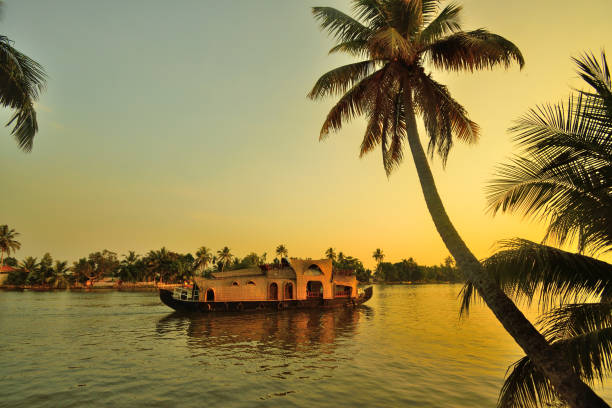
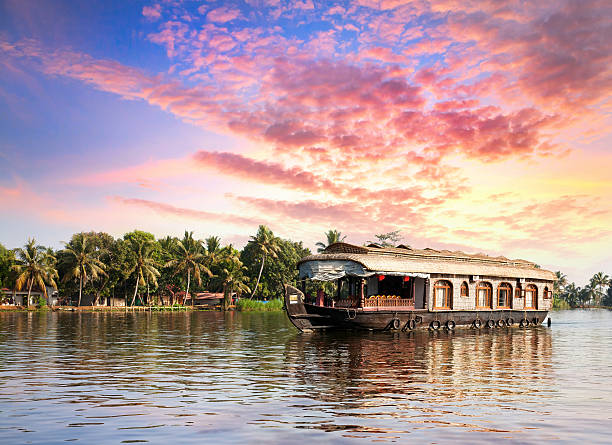
No Kerala journey feels complete without experiencing the backwaters on a traditional houseboat. Kerala’s famous kettuvallams once used to transport rice and spices through the canals, have been transformed into floating homes with private bedrooms, open decks, traditional Kerala meals, and uninterrupted views of coconut-lined waterways. The backwater network stretches across lakes, canals, lagoons, and rivers that run parallel to the Arabian Sea coast, creating one of the most unique travel landscapes in India.

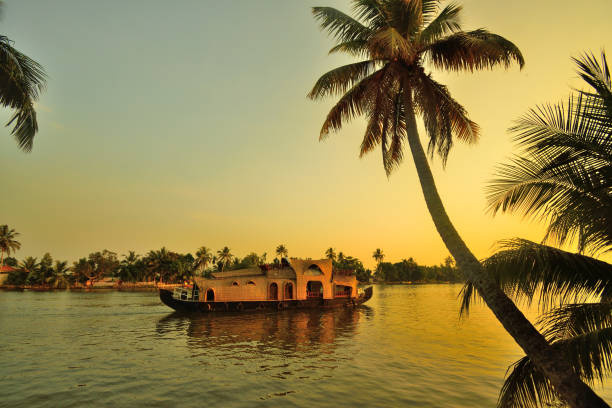
The most popular houseboat routes begin in Alappuzha and Kumarakom, where boats move slowly through paddy fields, fishing villages, church-lined canals, toddy shops, and stretches of still water that perfectly reflect the sky. A premium overnight houseboat stay includes freshly prepared Kerala meals on board, sunset views over the lake, and the rare experience of disconnecting completely from city life.

Kerala Wellness Retreats & Ayurveda Holidays

Kerala is widely regarded as the birthplace of Ayurveda, and wellness travel has been part of the state’s identity for centuries. The tropical climate, abundance of medicinal plants in the Western Ghats, and generations of Ayurvedic knowledge have made Kerala one of the world’s leading destinations for holistic healing and wellness retreats.

Across destinations like Varkala, Kovalam, Kumarakom, and Thekkady, travellers can stay at wellness resorts offering traditional Ayurvedic therapies, Panchakarma detox programmes, yoga sessions, meditation, herbal treatments, and personalised wellness consultations. Kerala’s monsoon season from June to September is traditionally considered the best time for Ayurveda treatment, as the cooler, humid climate is believed to help the body absorb therapies more effectively.

Best Time to Visit Kerala

Kerala is a year-round destination, but the best time to visit depends on the kind of experience you want. From mist-covered hill stations and wildlife safaris to backwater cruises and beach holidays, every season in Kerala offers a different atmosphere.

Winter Season (October to February)- Best Overall Time

Winter is considered the best season for Kerala tour packages. The weather remains pleasant across the state, with cool mornings in the hills, comfortable temperatures in the cities, and calm conditions along the coast and backwaters.

This is the ideal time for Houseboat stays in Alappuzha and Kumarakom, Tea plantation holidays in Munnar, Wildlife safaris in Periyar Tiger Reserve and Wayanad, Beach holidays in Varkala and Kovalam and Honeymoon trips and family vacations. December and January are peak travel months, so early booking is recommended for hotels and houseboats.

Summer Season (March to May)- Best for Hill Stations

While the plains and coastal regions become warmer during summer, Kerala’s hill stations remain pleasant and green. This is a great time to explore tea estates, waterfalls, spice plantations, and forest regions with fewer crowds than winter.

Best summer destinations include Munnar, Wayanad, Vagamon, Thekkady. Summer is also a good season for budget travellers, as hotel prices are often lower outside peak months.

Monsoon Season (June to September)- Kerala at Its Greenest

Monsoon transforms Kerala into one of the most beautiful landscapes in India. The rain-fed backwaters fill dramatically, waterfalls become powerful, forests turn intensely green, and mist covers the Western Ghats.

The monsoon season is ideal for Ayurveda and wellness retreats, Nature photography, Romantic slow travel, Waterfall visits and Off-season luxury stays. Destinations like Munnar, Wayanad, and Athirapally become especially scenic during this period. Kerala’s monsoon is also traditionally considered the best season for Ayurvedic therapies and Panchakarma treatments.

How to Reach Kerala?

Kerala is one of the best-connected states in South India, with multiple international airports, major railway stations, and excellent road connectivity from neighbouring states.

By Air

Kerala has four major international airports connecting the state with major Indian cities and international destinations.

Main airports include:

  • Cochin International Airport- best for Munnar, Thekkady, Alleppey, and central Kerala itineraries
  • Trivandrum International Airport- ideal for Kovalam, Varkala, and south Kerala tours
  • Calicut International Airport- convenient for Wayanad and north Kerala
  • Kannur International Airport- best for Kannur, Bekal, and Kasaragod

Direct flights operate from major cities including Delhi, Mumbai, Bangalore, Chennai, Hyderabad, Kolkata, Dubai, Singapore, and Abu Dhabi.

By Train

Kerala has an extensive railway network connecting all major tourist destinations. Important railway stations include Kochi (Ernakulam Junction), Trivandrum Central, Kottayam, Alappuzha, Kozhikode, Thrissur, Kannur. Train travel is one of the most scenic ways to enter Kerala, especially along the coastal and backwater routes.

By Road

Kerala is well connected by highways from neighbouring states including Tamil Nadu, Karnataka, and Goa. Road trips through Kerala are especially popular because of the changing scenery between beaches, forests, hills, and plantations.

Popular road routes include:

  • Bangalore → Wayanad
  • Coimbatore → Munnar
  • Madurai → Thekkady
  • Kochi → Alleppey → Varkala coastal route

Private cabs are the most comfortable option for Kerala itineraries, especially when covering multiple destinations.

Explore Our Top Kerala Holiday Tour Packages

We offer a wide range of carefully crafted Kerala holiday packages designed for couples, families, nature lovers, wellness travellers, and cultural explorers.

1. Classic Kerala Tour Package (5–7 Days)- KochiMunnarThekkadyAlappuzha. The most popular Kerala itinerary covering tea plantations, wildlife, spice estates, and a backwater houseboat stay.

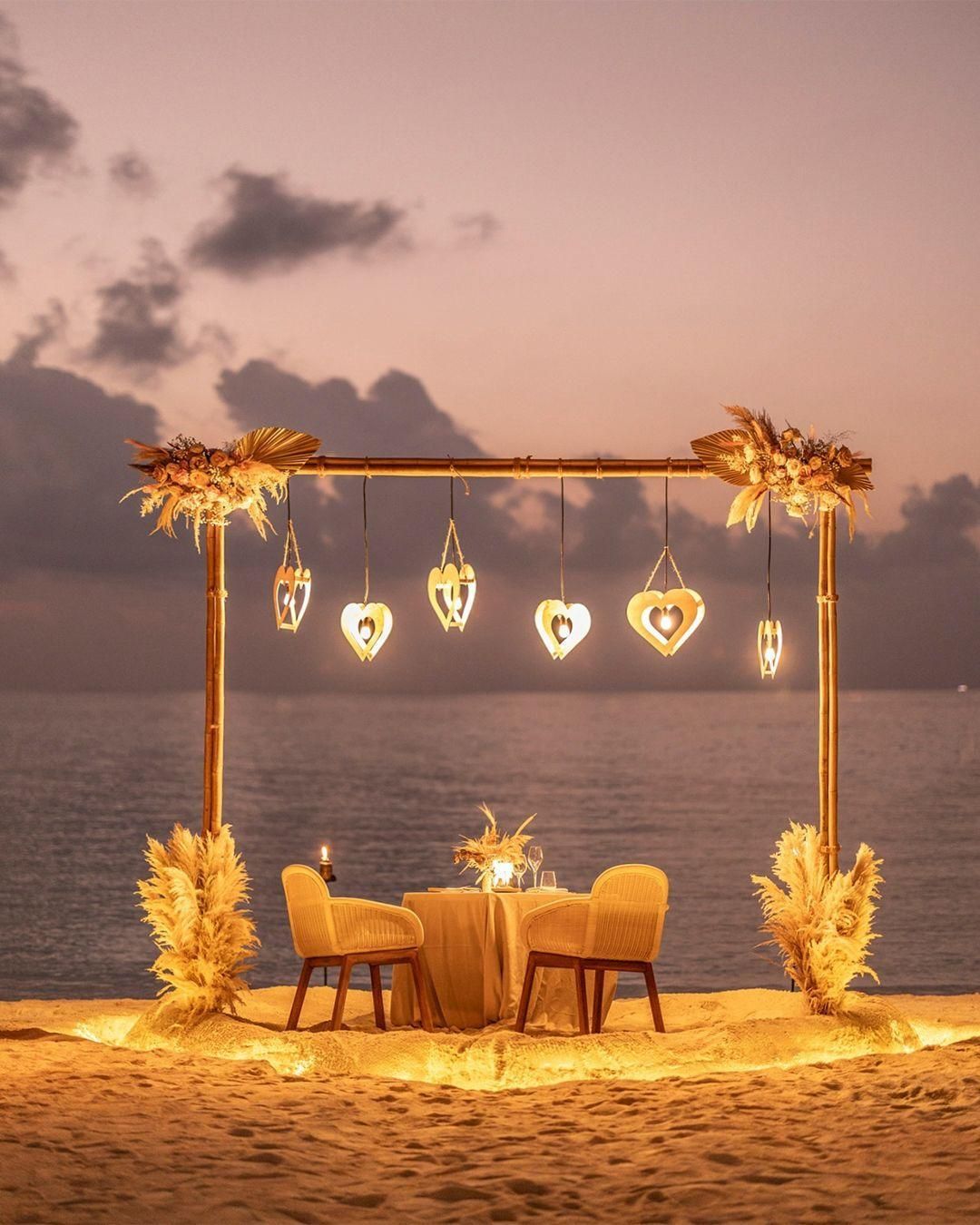
2. Kerala Honeymoon Package (6–8 Days)- Munnar → Kumarakom → Varkala. Designed for couples with romantic houseboat stays, plantation resorts, beach sunsets, candlelight dinners, and private backwater experiences.

3. Kerala Backwater & Houseboat Tour (3–5 Days)- Alleppey → Kumarakom → Marari Beach. Focused on Kerala’s famous backwaters with luxury houseboat stays, canoe rides, village experiences, and lakeside resorts.

4. Kerala Hill Station & Wildlife Tour (6–9 Days)- Munnar → Thekkady → Wayanad. Ideal for nature lovers with tea gardens, trekking, waterfalls, wildlife safaris, spice plantations, and rainforest landscapes.

5. Kerala Beach & Ayurveda Retreat (5–8 Days)- Kovalam → Varkala → Trivandrum. Combines Kerala’s cliff beaches with authentic Ayurveda therapies, yoga retreats, wellness stays, and coastal experiences.

6. North Kerala Offbeat Tour (7–10 Days)- Wayanad → Kannur → Bekal. Perfect for travellers seeking Theyyam rituals, empty beaches, Malabar cuisine, rainforest landscapes, and northern Kerala culture.

7. Luxury Kerala Tour Package (8–12 Days)- Kochi → Munnar → Kumarakom → Varkala. Stay in premium plantation bungalows, luxury backwater resorts, private houseboats, and curated wellness retreats across Kerala.

What’s Included in Every Kerala Tour Package?

To make your Kerala journey smooth and comfortable, our packages include:

  • Comfortable air-conditioned private transportation
  • Handpicked hotels, resorts, plantation stays, and houseboats
  • Daily breakfast and selected meals
  • Premium Kerala houseboat stay (where applicable)
  • Experienced local drivers and travel assistance
  • Sightseeing and guided local experiences
  • Wildlife safari / boating experiences (where applicable)
  • All taxes and government service charges
  • Optional Ayurveda and wellness experiences
  • 24/7 trip coordinator support throughout the journey

Why Choose Kerala Tour Packages from Vayable Trip

At Vayable Trip, we design Kerala holidays around authentic experiences rather than rushed sightseeing checklists. Our itineraries focus on slower travel, carefully selected stays, scenic routes, and local experiences that allow travellers to experience Kerala beyond standard tourist circuits.

Whether you are planning a romantic honeymoon, a luxury backwater holiday, a family vacation, or a complete Kerala road trip, we create personalised Kerala tour packages designed around comfort, experience, and unforgettable journeys.

Explore 1 Alleppey Tour Packages

Alleppey & Kumarakom Tour Package  4 Nights/ 5 Days
5D / 4N
5% OFF
Kerala

Alleppey & Kumarakom Tour Package 4 Nights/ 5 Days

₹15,999
₹15,199.05/ adult
Hotel
No Flights
Tour Guide

Secure Booking & Best Price

Showing 11 of 1