Delhi is not just a destination on the map, it is the beating heart of India, where history, culture, politics, heritage, and modern life all coexist in a fascinating harmony. A city that has witnessed the rise and fall of empires, Delhi today stands as one of the most dynamic and diverse travel destinations in the world. Our Delhi Tour Packages are designed to help travelers experience the city in its truest form. Whether you are walking through centuries-old Mughal streets, admiring grand colonial architecture, exploring spiritual landmarks, or enjoying world-famous street food, Delhi offers a journey that is layered, emotional, and unforgettable. This is not a city you simply visit. It is a city you experience, one layer at a time.
Delhi is often described as a “city of contrasts,” but in reality, it is a city of continuous evolution. Every corner has a story, every monument has a legacy, and every street has a rhythm of its own. On one side, you have the ancient world of Old Delhi, where narrow lanes echo with centuries of history, where rickshaws pass through crowded bazaars, and where Mughal-era architecture still dominates the skyline. On the other side lies New Delhi, a planned capital city built during British rule, characterized by wide roads, government buildings, museums, embassies, and modern infrastructure.
What makes Delhi truly special is how these two worlds blend seamlessly into one another. A traveler can explore a 400-year-old fort in the morning and dine in a luxury rooftop restaurant in the evening without ever leaving the city.
Explore Our Top Delhi Holiday Tour Packages
Here are the most popular and best-selling Delhi tour packages:
1. Delhi Heritage City Tour (3 Days / 2 Nights)
Perfect for first-time visitors. Covers Red Fort, Jama Masjid, Qutub Minar, Humayun’s Tomb, and India Gate.
2. Golden Triangle Tour (6 Days / 5 Nights)
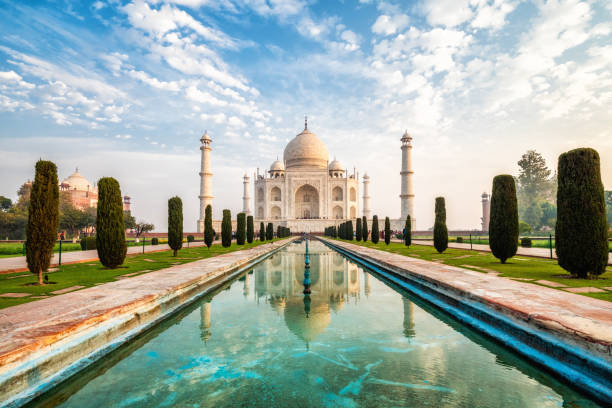
The most popular package covering Delhi, Agra (Taj Mahal) & Jaipur – ideal for first-time India travelers.
3. Delhi Sightseeing Express (4 Days / 3 Nights)
Comprehensive city tour including Lotus Temple, Akshardham Temple, Chandni Chowk, and a Rickshaw ride in Old Delhi.
4. Delhi Family Holiday Package (5 Days / 4 Nights)
Family-friendly tour with Kidzania, Appu Ghar or Snow World, major monuments, and shopping at Connaught Place.
5. Delhi Honeymoon Special (4 Days / 3 Nights)
Romantic package with luxury hotel stays, candlelight dinners, private Taj Mahal visit (from Agra), and sunset at India Gate.
6. Spiritual Delhi Tour (4 Days / 3 Nights)
Focuses on temples and gurudwaras – Akshardham, ISKCON, Lotus Temple, Bangla Sahib Gurudwara, and Nizamuddin Dargah.
7. Delhi + Agra Taj Mahal Express (5 Days / 4 Nights)
Short & sweet combination of Delhi sightseeing and the iconic Taj Mahal with sound & light show.
8. Luxury Delhi Experience (5 Days / 4 Nights)
Premium package with 5-star hotels, private guides, heritage walks, fine dining, and optional helicopter ride over Delhi.
Hill Stations Near Delhi- Perfect Escapes from the City Heat
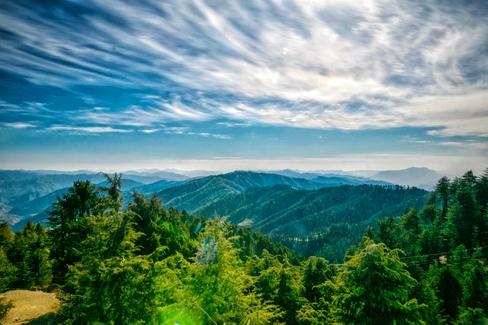
While Delhi offers a rich blend of history, culture, and adventure, many travelers love to combine their Delhi trip with a refreshing getaway to the nearby hill stations. Located within 200–350 km from the capital, these serene mountain destinations provide a welcome contrast with cool breezes, lush green valleys, pine forests, and breathtaking Himalayan views.
Here are the most popular hill stations near Delhi that you can easily include in your tour package:
1. Mussoorie (280 km | 7–8 hours drive) Known as the “Queen of Hills.
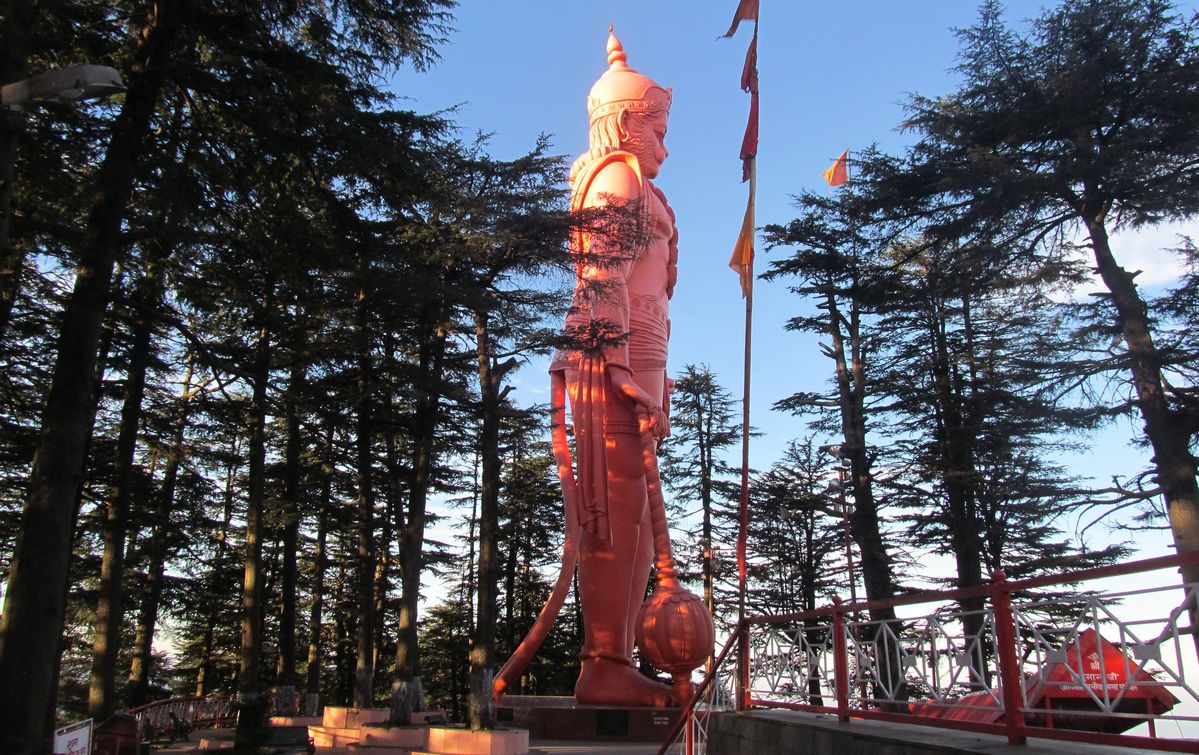
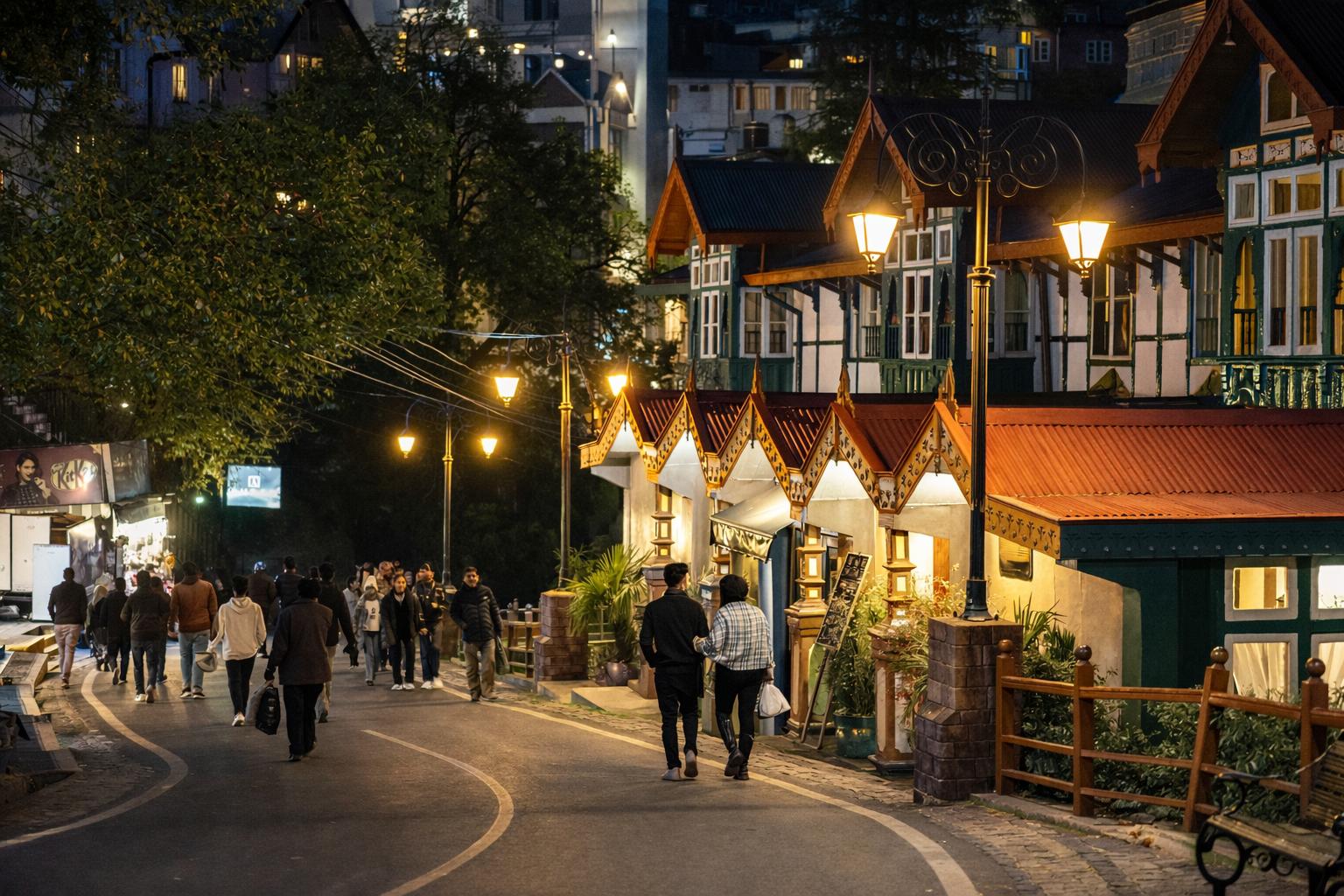
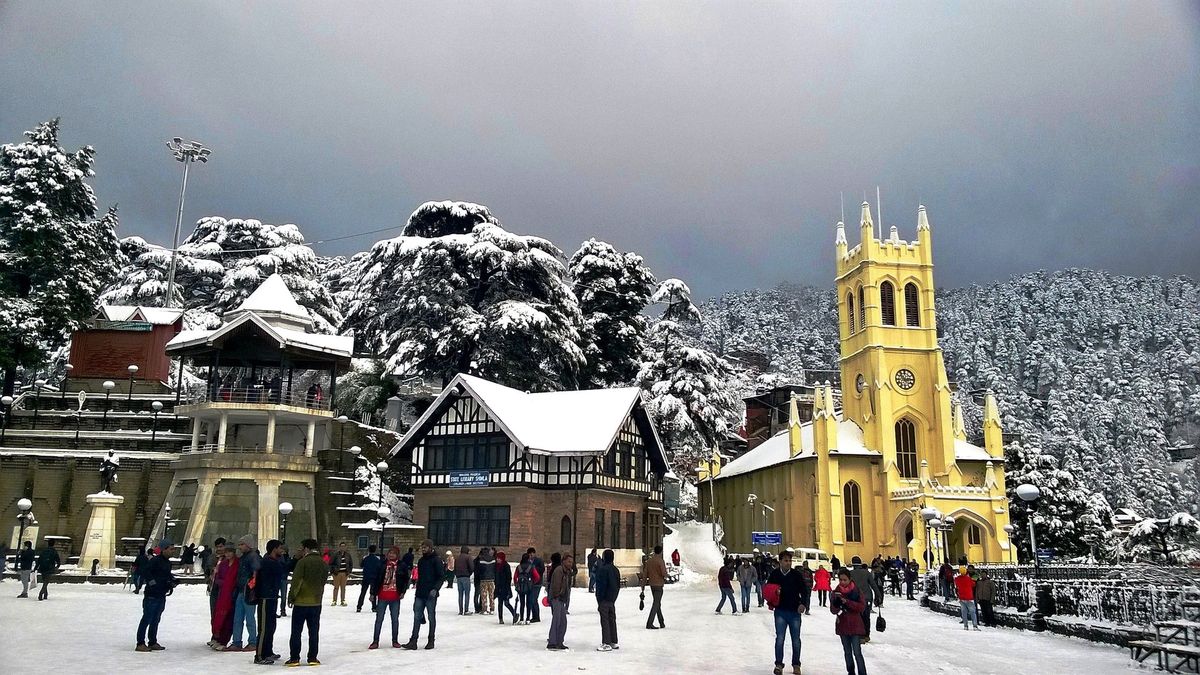
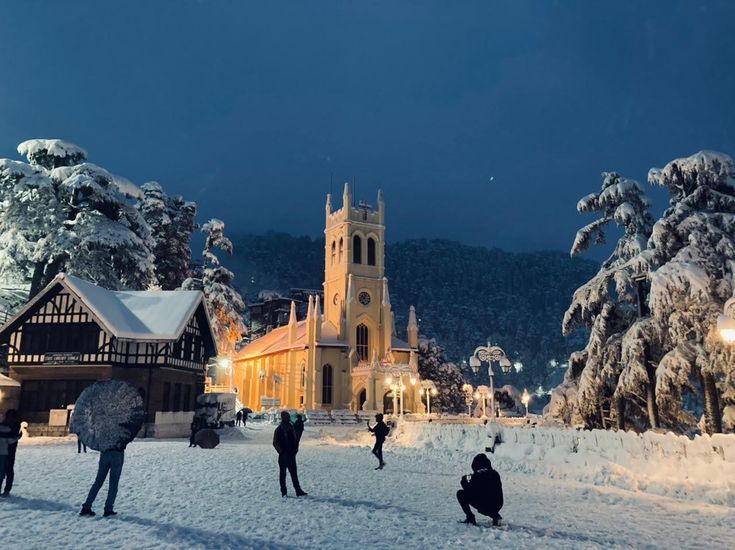
2. Shimla (350 km | 8–9 hours drive) The former summer capital of British India, Shimla is a colonial-era gem.
3. Nainital (300 km | 7–8 hours drive) Nestled around the emerald Naini Lake, Nainital is a romantic hill station in Uttarakhand.
4. Dhanaulti & Lansdowne (260–280 km) For those looking for a quieter and more offbeat experience.
5. Rishikesh & Haridwar (220–250 km) A spiritual and adventure hub.
Popular Combo Holiday Packages
Make your Delhi trip more memorable by combining the capital’s rich heritage with a refreshing hill station escape. Here are our most popular Delhi + Hill Station Combo Packages:
Delhi + Mussoorie (4 Days / 3 Nights) A perfect short combination of Delhi’s heritage and the cool Queen of Hills. Explore Old and New Delhi followed by Mall Road, Kempty Falls, and Gun Hill. Ideal for families and first-time visitors.
Delhi + Shimla (5 Days / 4 Nights) Experience Delhi’s monuments and colonial charm in Shimla. Visit The Ridge, Mall Road, and Kufri. Perfect for those seeking history blended with mountain beauty.
Delhi + Nainital (5 Days / 4 Nights) A romantic getaway combining Delhi sightseeing with the scenic beauty of Naini Lake. Includes boating, Snow View Point, and nearby lakes. Highly recommended for couples and honeymooners.
Golden Triangle + Mussoorie Extension (7 Days / 6 Nights) The ultimate North India package covering Delhi – Agra – Jaipur and extending to Mussoorie hills. A complete journey blending Mughal wonders, Rajasthani royalty, and Himalayan serenity.
Weekend Getaways from Delhi – Quick & Refreshing Escapes
Looking to escape the hustle of Delhi for a short break? The capital is surrounded by a variety of exciting destinations perfect for weekend getaways. Whether you want royal heritage, wildlife safaris, spiritual vibes, or serene nature, these nearby spots are easily reachable by car in 2 to 6 hours, making them ideal for a quick 2–3 day trip.
Here are the most popular weekend getaways from Delhi:
1. Agra – The Taj Mahal Getaway (230 km | 3–4 hours) Home to one of the Seven Wonders of the World, Agra is the top choice for a weekend.
2. Jaipur – The Pink City (260 km | 5 hours) Experience Rajasthan’s royal charm in just one weekend. Visit Amber Fort, City Palace, Hawa Mahal, and Jantar Mantar.
3. Rishikesh & Haridwar (220–250 km | 4–5 hours) A soul-soothing spiritual and adventure escape. Perfect for those seeking peace, adventure, or spirituality.
4. Jim Corbett National Park (250 km | 5–6 hours) India’s oldest national park offers thrilling jungle safaris. Enjoy riverside resorts, nature walks, and evening bonfires.
5. Neemrana Fort Palace (120 km | 2 hours) A luxurious heritage getaway. Stay in the magnificent 15th-century Neemrana Fort, now a beautiful heritage hotel.
6. Damdama Lake (70 km | 1.5 hours) A quick and refreshing lakeside escape. Enjoy boating, camping, zip-lining, kayaking, and bonfire nights.
7. Manesar & Sohna (50–70 km | 1–1.5 hours) Luxury resorts with world-class facilities. Relax by the pool, enjoy spa sessions, golf, or adventure activities.
Popular Weekend Combo Packages
Delhi + Agra Weekend (3 Days / 2 Nights) The most popular short heritage escape. Spend one full day exploring Delhi’s monuments and then head to Agra to witness the magnificent Taj Mahal at sunrise, Agra Fort, and Mehtab Bagh. Perfect for first-time visitors and history lovers.
Delhi + Rishikesh Spiritual Escape (3 Days / 2 Nights) A refreshing blend of culture and spirituality. After sightseeing in Delhi, travel to Rishikesh for Ganga Aarti, river rafting, yoga sessions, and visits to famous ashrams. Ideal for those seeking peace and adventure.
Delhi + Jim Corbett Wildlife Tour (3 Days / 2 Nights) An exciting weekend wildlife getaway. Explore Delhi’s highlights before enjoying thrilling jungle safaris in India’s oldest national park. Spot tigers, elephants, and exotic birds while staying at riverside resorts.
Delhi + Jaipur Express (3 Days / 2 Nights) A quick royal Rajasthan experience. Discover Delhi’s heritage and then immerse yourself in Jaipur’s pink city charm – Amber Fort, City Palace, Hawa Mahal, and vibrant bazaars. Great for shoppers and culture enthusiasts.
What’s Included in Our Delhi Tour Packages
We ensure a comfortable, hassle-free, and memorable experience with every package. Here’s what is included in most of our Delhi tour packages:
- Comfortable hotel accommodation (budget, standard, or premium options as per package).
- Airport / railway station pick-up and drop for a hassle-free arrival and departure.
- Private or shared transportation for all sightseeing as per itinerary.
- Guided city tours with experienced local guides for better cultural understanding.
- Daily breakfast or selected meals depending on the package plan.
- Full sightseeing coverage of major attractions in Delhi NCR.
- 24x7 on-trip travel assistance and customer support.
- All toll taxes, parking charges, and driver allowances included.
- Flexible and customizable itinerary options based on traveler preferences.
- Safe and well-planned travel experience across Delhi.
Top Tourist Attractions to Explore in our Delhi Tour Packages
1. Red Fort- The Crimson Citadel of the Mughals
The Lal Qila (Red Fort) was the primary residence of Mughal emperors from its completion in 1648 under Shah Jahan until 1857, when the last Mughal emperor Bahadur Shah Zafar was exiled by the British following the First War of Independence. Built of red sandstone on the banks of the Yamuna, the fort's walls stretch for 2.4 kilometers and enclose a complex of palaces, halls, gardens, and pavilions that represent the peak of Mughal administrative and artistic ambition.
The Diwan-i-Aam (Hall of Public Audience) where the emperor received ordinary petitioners, the Diwan-i-Khas (Hall of Private Audience) with its marble throne platform and the famous inscription "If there is paradise on earth, it is here, it is here, it is here," the Rang Mahal (Palace of Colors) with its marble water channel, and the Moti Masjid (Pearl Mosque) added by Aurangzeb are the primary structures within the complex.
The fort is a UNESCO World Heritage Site and the site of India's Independence Day address by the Prime Minister every August 15th. The evening Sound and Light Show brings the Mughal court to life for visitors who want the full dramatic treatment.
2. Humayun's Tomb- The First Great Mughal Garden Tomb
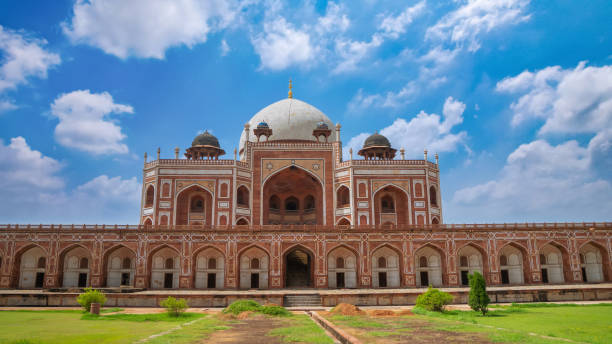
Built in 1565–1572 CE by Empress Bega Begum for her husband Humayun, the second Mughal emperor, this UNESCO World Heritage Site was the prototype for the Mughal garden tomb tradition that culminated in the Taj Mahal. The central tomb a double-domed structure in red sandstone and white marble, rising above a formally laid garden divided into quarters by water channels is one of the most beautiful buildings in India.
The tomb complex is set in the Char Bagh (four-part garden) whose geometrical formalism was imported from Persia and became the defining spatial language of Mughal funerary architecture. More than 150 Mughal family members are buried within the complex. The complex at dawn when the morning light turns the red sandstone rose-gold and the only sounds are birds and the distant call to prayer from the Nizamuddin Dargah nearby is one of Delhi's most quietly extraordinary experiences.
3. Qutub Minar- India's Highest Stone Tower
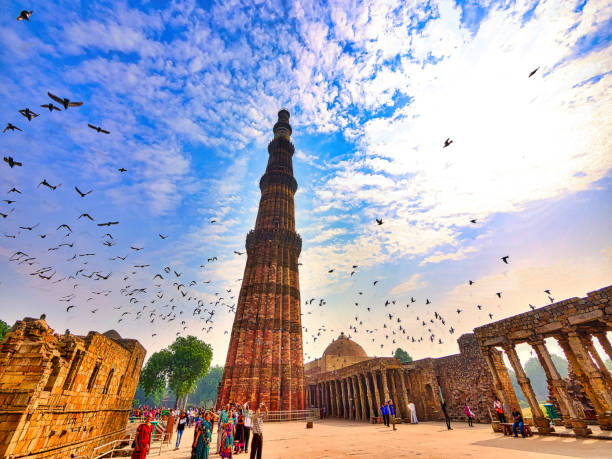
Built between the 12th and 14th centuries, the Qutub Minar is a UNESCO World Heritage Site and the tallest individual tower in India, a 72.5-meter fluted sandstone minaret that tapers in five storeys from a base of 14.3 meters to an apex of 2.7 meters. The Arabic inscriptions carved into its surface record the successive additions of different sultans. The complex around the tower contains the Quwwat-ul-Islam mosque (India's first mosque), an extraordinary Iron Pillar from the 4th century CE that has resisted rust for 1,600 years despite being almost entirely exposed to the elements, and the tombs of Iltutmish and Alauddin Khilji.
The Mehrauli Archaeological Park surrounding the Qutub complex contains over 100 additional monuments from various periods a vast, largely unvisited open-air museum of Delhi's multi-layered history that rewards exploration with a good guide.
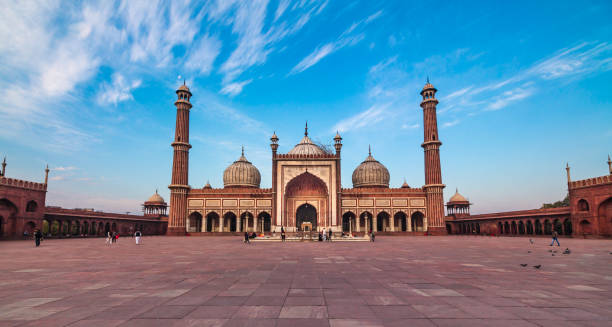
4. Jama Masjid- The Grand Mosque of Shahjahanabad
Built by Shah Jahan between 1644 and 1656, the Jama Masjid is India's largest mosque its courtyard capable of accommodating 25,000 worshippers simultaneously. The mosque is built on an artificial platform 10 meters above the surrounding streets, accessed by three ceremonial gateways. Its red sandstone and white marble domes, the two minarets rising 40 meters on either side of the facade, and the vast open courtyard with its central ablution pool create one of the most dramatic architectural experiences in Indian Islam.
Climbing the southern minaret (for a small fee) provides one of Delhi's finest panoramic views the old city spreading below, the Red Fort visible to the north, the modern city extending to every horizon beyond. The mosque is at its most atmospheric during Friday prayers and during the month of Ramadan when the courtyard fills with iftar gatherings at dusk.
5. Hazrat Nizamuddin Dargah- Seven Centuries of Living Devotion
The Hazrat Nizamuddin Dargah complex includes the tombs of Amir Khusrau (regarded as the father of qawwali), Jahanara Begum, and numerous nobles spanning six centuries.
The dargah of Hazrat Nizamuddin Auliya (1238–1325) the great Chishti Sufi saint who refused to meet any of the sultans of his time and attracted both the devout and the powerful to come to him — is one of the most spiritually charged sites in Delhi and one of the most significant Sufi shrines in South Asia. Nizamuddin contains the shrine of one of the most influential saints of the Chishti order, Nizamuddin Auliya. Sama, or qawwali, is an important part of the legacy of the Sufis, particularly of the Chishti order, as is the evolution of forms which incorporated indigenous Indian musical traditions and the Hindavi language with Persian traditions.
The Thursday evening qawwali at Nizamuddin Dargah performed by hereditary musicians in the tradition established by Amir Khusrau himself is one of the most extraordinary musical experiences available in India. The narrow lanes leading to the dargah, the flower sellers, the incense smoke, the crowd of devotees of every faith, and then the sudden opening of the courtyard with the shrine at its center and the qawwals singing it is an experience that transcends religious identification entirely and touches something in everyone who encounters it.
6. India Gate- The War Memorial of New Delhi
Designed by Edwin Lutyens and completed in 1931, India Gate is a 42-meter high triumphal arch set in the center of a formal garden at the eastern end of the Kartavya Path (Rajpath). The arch bears the names of 13,300 soldiers of the British Indian Army who died in the First World War and the Third Anglo-Afghan War. The eternal flame of the Amar Jawan Jyoti burns beneath the arch as a memorial to soldiers of independent India.
India Gate and the Kartavya Path the grand ceremonial boulevard that connects it to the Rashtrapati Bhavan constitute the formal ceremonial spine of Lutyens' Delhi and are among the finest examples of British colonial planning in India. The Republic Day parade on January 26th when the entire length of the Kartavya Path is decorated and the full military and cultural spectacle of India's diverse states is on display is the grandest possible occasion to experience this axis.
7. Chandni Chowk- The Beating Heart of Old Delhi
From the bustling lanes of Chandni Chowk to the serene and tranquil abode of Bangla Sahib, Delhi makes a complete circle of life.
Chandni Chowk the main boulevard of Shahjahanabad, built by Shah Jahan's daughter Jahanara in 1650 and named for the moonlight (chandni) that reflected in the central canal — is Old Delhi's commercial and cultural spine. The original canal is long gone, and the road is now densely packed with shops, cycle-rickshaws, and pedestrians, but the commercial energy that Shah Jahan intended has never left.
The lanes radiating from Chandni Chowk are the real Delhi: Dariba Kalan for silver jewelry and the perfume tradition; Kinari Bazaar for wedding decorations, gold embroidered fabrics, and the theatrical accessories of celebration; Khari Baoli Asia's largest wholesale spice market where sacks of cardamom, cinnamon, and dried chilies make the air thick with fragrance; Paranthe Wali Gali for the legendary stuffed flatbreads that have been served at the same establishments since before independence; Ballimaran where the poet Mirza Ghalib spent his final years in poverty and wrote poetry that Delhi still quotes.
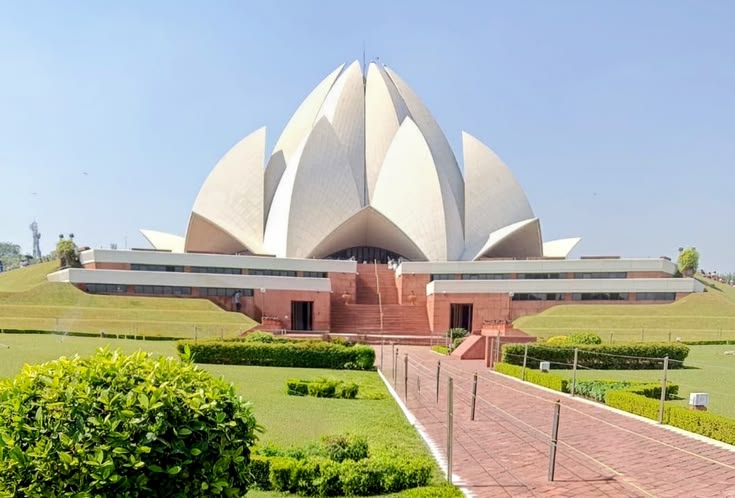
8. Lotus Temple- Architecture as Devotion
The Lotus Temple is an architectural wonder and the Bahai Temple is celebrated for its distinctive lotus-shaped design and tranquil atmosphere. Built in 1986 and designed by Iranian-Canadian architect Fariborz Sahba, the Lotus Temple is the most visited Baha'i House of Worship in the world and one of the most visited buildings in the world, period. Its 27 petals of white marble arranged in three concentric circles to form a lotus flower rising from nine reflecting pools creates an architectural statement of extraordinary originality and serenity. The interior a single chamber of silence, open to people of all faiths for meditation seats 2,400 people and is completely free of any religious iconography. The building is one of Delhi's most purely beautiful structures.
9. Akshardham Temple- Contemporary India's Sacred Ambition
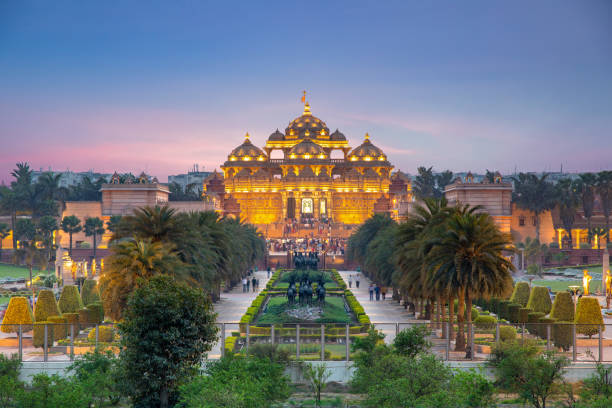
Completed in 2005 and built using traditional Rajasthani and Gujarat sandstone by 11,000 artisans and volunteers, Akshardham is one of contemporary India's most ambitious sacred monuments — a vast complex covering 100 acres, with the central monument rising 43 meters and containing 234 carved pillars, 9 ornate domes, and 20,000 carved figures from Hindu mythology. The evening water show, the boat ride through dioramas of 10,000 years of Indian civilization, and the intricate carvings of the main monument make Akshardham one of Delhi's most comprehensively engaging family and pilgrimage destinations.
10. Gurudwara Bangla Sahib- Sikh Serenity in Central Delhi
The golden dome of Gurudwara Bangla Sahib — visible from Connaught Place and accessible from all parts of central Delhi — marks one of Delhi's most significant Sikh shrines. The Gurudwara is associated with the eighth Sikh Guru, Guru Har Krishan, who stayed here in 1664 and provided healing water from the sarovar (sacred pool) to victims of a smallpox epidemic. The sarovar's water is still considered sacred and distributed to visitors. The free langar operates 24 hours and serves over 10,000 meals daily. The evening prayer and kirtan is one of Delhi's most beautiful religious musical experiences.
11. Lodi Garden- Tombs in a City Park
One of Delhi's finest green spaces, Lodi Garden contains the tombs of the Sayyid and Lodi dynasty sultans (15th–16th century CE) in an 90-acre landscaped park. The Mohammed Shah's tomb, the Sikander Lodi's tomb, the Sheesh Gumbad, and the Bada Gumbad are handsome examples of pre-Mughal Sultanate architecture scattered among lawns, flower beds, jogging paths, and flocks of rose-ringed parakeets. Lodi Garden at dawn when the Delhi morning light falls on the ancient domes through a mist of city pollution and the park fills with joggers, yoga practitioners, and early walkers is a quintessentially Delhi experience: history and modern life in comfortable, pragmatic cohabitation.
12. Purana Qila- Delhi's Oldest Fort
The Old Fort (Purana Qila) was built by Humayun and later extended by Sher Shah Suri, who constructed it on the site of the legendary city of Indraprastha mentioned in the Mahabharata. The fort contains the Qila-i-Kuhna Mosque one of the finest Sultanate-period mosques in Delhi and the Sher Mandal, a small octagonal pavilion from whose stairs Humayun fell to his death in 1556. The surrounding moat has been converted to a boating lake, making Purana Qila one of Delhi's few heritage sites with an active leisure component.
13. Mehrauli Archaeological Park- Delhi's Hidden Treasure
The Mehrauli Archaeological Park features more than 100 significant structures, including the tomb of Adham Khan, Rajon Ki Baoli (step-well), and Jamali Kamali Mosque and Tomb, providing a glimpse into Delhi's diverse cultural evolution. Adjacent to the Qutub Minar complex but largely unknown to casual tourists, the Mehrauli Archaeological Park contains over a century's worth of monuments from Sultanate to Mughal to late Mughal in a natural, largely unmanicured landscape. Walking through the park with a knowledgeable guide is one of Delhi's finest heritage experiences the monuments are authentic, the atmosphere is calm, and the historical depth on display is extraordinary.
Zafar Mahal in Mehrauli is the last building commissioned by the Mughal dynasty standing 200 metres from the dargah of Qutbuddin Bakhtiyar Kaki a melancholy and beautiful monument to an empire in its final days, used as a summer palace by the last Mughal emperors.
14. Raj Ghat- Where Gandhi Rests
A simple, square platform of black marble on the banks of the Yamuna marks the spot where Mahatma Gandhi was cremated on January 31, 1948 — the day after his assassination by Nathuram Godse. The platform is surrounded by lawns and fountains, with an eternal flame burning at its center. Adjacent to Raj Ghat are the memorials of other Indian prime ministers and national leaders. The simplicity of the memorial no statue, no monument, just the bare platform and the flame — is the most eloquent architectural statement of Gandhi's philosophy.
15. Hauz Khas- Medieval Lake, Contemporary Village
Hauz Khas is one of Delhi's most extraordinary palimpsest neighborhoods a 13th-century royal water reservoir (the largest in medieval Delhi) surrounded by the ruins of Firoz Shah Tughlaq's madrasa and royal tomb, the entire medieval ensemble now overlooking a neighborhood of galleries, boutiques, restaurants, cafés, and Delhi's most concentrated nightlife scene. The contrast between the medieval ruins at the reservoir's edge where Firoz Shah's tomb rises above the water and the contemporary restaurant terraces looking out at those same ruins is quintessentially Delhi: the past and present in such close proximity they appear to be having a conversation.
Delhi's Neighborhoods- The Real City
1. Connaught Place- The Colonial Commercial Hub
The circular commercial center of Lutyens' New Delhi designed by Robert Tor Russell and built between 1929 and 1933 is the formal retail and restaurant hub of central Delhi. The white-colonnaded Georgian buildings arranged in concentric circles around a central park give Connaught Place (officially Rajiv Chowk) a distinctive colonial grandeur that is partly preserved and partly evolving into contemporary restaurants and global retail.
2. Khan Market- Delhi's Most Expensive Postcode
The compact market of Khan Market built in 1951 to house shops for Partition refugees has evolved into Delhi's most expensive retail zone and the hub of a particular kind of upper-middle-class Delhi culture: bookshops (Bahrisons Booksellers, one of India's finest), excellent restaurants, wine shops, and the particular atmosphere of a neighborhood that feels both cosmopolitan and deeply Delhi.
3. Hauz Khas Village- Art, Food, and Ruins
The neighborhood of Hauz Khas Village, built into the alleys surrounding the medieval madrasa and tank, contains a concentration of art galleries, designer boutiques, cafés, and restaurants that makes it the cultural and culinary hub of South Delhi. The juxtaposition of 13th-century ruins with contemporary dining terraces is nowhere more dramatic than in this neighborhood.
4. Lodhi Colony- Street Art in a Government Quarter
The government quarters of Lodhi Colony have been transformed by the St+art India Foundation's public art project into one of the world's most significant open-air street art galleries — 50+ murals by international and Indian artists on the walls of residential buildings throughout the colony. Walking Lodhi Colony's streets is walking through a contemporary art museum without walls, and the project has transformed the neighborhood into a destination for art lovers and photographers.
5. Shahpur Jat- Designer Village Within the City
The dense residential village of Shahpur Jat surrounded by South Delhi's wealthy neighborhoods but preserving its own village character has been colonized by independent fashion designers, ceramic artists, and jewelers, creating a shopping destination unlike anything in the city's malls. Walking through Shahpur Jat's narrow lanes from boutique to boutique is one of Delhi's most distinctive and most rewarding shopping experiences.
6. Nizamuddin West- The Sufi Quarter
The neighborhood surrounding the Hazrat Nizamuddin Dargah its narrow lanes, flower stalls, kebab shops, and small mosques is one of Delhi's most atmospheric and least touristy areas. The Dargah itself is the spiritual center, but the surrounding neighborhood of hereditary musicians, flower sellers, and the descendants of those who served the saint is equally worth exploring slowly.
Adventure Activities to Do During Your Delhi Trip
- Hot air balloon ride in Delhi NCR – Enjoy a magical sunrise experience with aerial views of Delhi’s outskirts and countryside landscapes.
- Rock climbing in Aravalli adventure zones – Test your strength and stamina on natural rock formations around Delhi NCR.
- Rope courses and sky cycling in adventure parks – Experience thrilling obstacle setups, zip lines, and balance challenges within the city.
- Paintball games in Delhi adventure arenas – Engage in high-energy combat-style games with teams for a fun group experience.
- ATV rides in Gurgaon and outskirts of Delhi – Ride through muddy tracks and rugged terrain for an off-road adventure rush.
- Camping at Damdama Lake near Delhi – Enjoy lakeside camping with bonfire nights, music, and outdoor games just a short drive away.
- Ziplining experiences in Delhi NCR adventure parks – Glide over open spaces and forest-style setups for an adrenaline boost.
- Go-karting in Delhi NCR tracks – Feel the speed on professional karting circuits perfect for beginners and thrill seekers.
- Trampoline and indoor adventure parks in Delhi – Try wall climbing, foam pits, and obstacle courses in safe indoor setups.
- Night cycling tours in Delhi – Explore India Gate, Lodhi Garden, and Connaught Place on guided night cycling routes.
Delhi's Food Experience- A Culinary Capital of India
Delhi's food culture is one of India's most celebrated and most varied a city where every region of India has its culinary representatives, where the Mughal court cooking tradition survives in the restaurant kitchens of Old Delhi, and where the street food scene has been producing extraordinary work for centuries.
1. Nihari- The Mughal breakfast dish par excellence: a slow-cooked stew of beef or mutton shank, cooked overnight in sealed pots and served in the early morning hours with butter, fried onions, and fresh bread. The nihari establishments of Old Delhi particularly around Jama Masjid begin service before dawn.
2. Karim's Mutton Burra- Karim's restaurant, established in 1913 by descendants of Mughal court cooks, serves mutton burra (marinated and charcoal-grilled mutton chops) that has become one of Delhi's most legendary dishes. The mutton nahari and seekh kebab are equally compelling.
3. Paranthe Wali Gali- The lane of stuffed flatbreads near the Chandni Chowk metro station, where several establishments have been producing paranthe stuffed with potato, cauliflower, paneer, banana, and dozens of other fillings since the late 19th century. Served with accompanying pickles, chutneys, and rabri, a parantha breakfast here is one of Delhi's quintessential experiences.
4. Jalebi Wala, Dariba Kalan- The oldest jalebi shop in Delhi, operating since 1884, producing the crispy, saffron-orange spirals of fermented wheat batter fried in clarified butter and dipped in sugar syrup. The Old Delhi jalebi is a different creature entirely from the mass-produced versions sold elsewhere.
5. Chaat- Delhi's chaat culture is among India's finest- the golgappe (pani puri) of the Chandni Chowk stalls, the dahi bhalle, the aloo chaat, the papdi chaat each prepared with the specific tanginess, sweetness, and heat balance that makes Delhi chaat distinctive. The chaat stalls near Connaught Place's Bengali Market are particularly celebrated.
6. Butter Chicken- Born in Delhi (Moti Mahal restaurant in Daryaganj, where chef Kundan Lal Gujral is credited with creating the dish in the late 1940s), butter chicken in its original form the rich, tomato-butter-cream sauce in which leftover tandoori chicken was reconstituted is available at Moti Mahal's successor establishments and dozens of restaurants that trace their lineage to the original tradition.
7. Mughlai Biryani- The Delhi biryani tradition closer to the Lucknawi dum pukht style than the Hyderabadi kachchi technique is found at its finest at several establishments in Old Delhi and at restaurants like Dum Pukht at the ITC Maurya, where the slow-sealed cooking method is applied with genuine artistry.
8. Chole Bhature- The Punjabi breakfast of fried leavened bread (bhatura) served with spiced white chickpeas (chole) found across Delhi but at its finest at the establishments of Connaught Place's Bengali Market and the original Sitaram Diwan Chand in Paharganj, operating since 1950.
9. Dilli ki Lassi- Delhi's lassi tradition thick, cold, made from fresh curd with a layer of malai cream floating on top is at its finest at the Old Delhi lassi shops near the Jama Masjid.
New Delhi's Contemporary Dining
Delhi's contemporary restaurant scene has matured into one of the finest in India, Indian Accent (consistently among Asia's best restaurants) serves a tasting menu of modern Indian cuisine that is considered by many food writers to be the finest restaurant experience in the country. Bukhara at the ITC Maurya famous for its frontier-style roasted meats eaten with enormous portions of dal has served the same menu since 1978 and has become a culinary institution that heads of state visit. Dum Pukht serves the extraordinary sealed-pot slow-cooking tradition of Awadh. Saravana Bhavan (South Indian) and Karim's (Mughal) represent the authentic regional traditions. The restaurants of Hauz Khas Village and Connaught Place address every contemporary food desire.
Shopping in Delhi- A Paradise for Every Traveler
Shopping in Delhi is not just a leisure activity, it is an experience in itself. The city offers everything from high-end luxury brands to traditional handicrafts and budget-friendly fashion.
Markets like Chandni Chowk represent the old-world charm of Delhi, where narrow lanes are filled with textiles, jewelry, spices, and wedding essentials. On the other hand, Connaught Place offers a more modern shopping experience with global brands, cafes, and bookstores.
For travelers looking for affordable fashion, Sarojini Nagar and Lajpat Nagar are unbeatable. Meanwhile, Dilli Haat brings together handicrafts and cultural products from different Indian states, making it a perfect place to experience India’s diversity in one space.
Shopping in Delhi is not just about buying things, it is about discovering culture, tradition, and creativity.
Delhi's Festivals- Plan Your Visit Around These
Republic Day (January 26)
The grandest public celebration in India's annual calendar. The Kartavya Path parade with military displays, folk dance performances from every state, the parade of the armed forces, and the flypast by the Indian Air Force is the most comprehensive public celebration of Indian national identity available to a visitor. Tickets require advance booking through the government portal. The tableaux of each state are among the most visually rich expressions of India's cultural diversity.
Dilli ka Rang (formerly Delhi International Arts Festival) October–November
A multi-week festival of classical music, dance, theater, and visual arts at venues across the city, bringing together the finest performers from across India and internationally.
Phool Walon ki Sair (October)
This annual procession starts from the dargah of Qutbuddin Bakhtiyar Kaki in Mehrauli and is a great symbol of inter-faith collaboration and a lovely example of Delhi's unique intermingling of cultures. The festival of the flower sellers in which Hindu and Muslim communities jointly carry fan-shaped floral offerings from Mehrauli to the Yogmaya Temple and the Qutbuddin Dargah — is one of Delhi's most ancient and most moving celebrations of communal harmony.
Delhi Book Fair (February)
Asia's largest book fair, held at Pragati Maidan, drawing publishers, authors, and readers from across the country.
Qualis (Urs of Nizamuddin Auliya)
The annual death anniversary of Hazrat Nizamuddin Auliya, celebrated with six days of intensive qawwali performances at the dargah. One of Delhi's most extraordinary musical events and one of the finest occasions to experience the living Sufi musical tradition.
Diwali in Delhi
The festival of lights transforms every neighborhood in the city, but the most spectacular celebrations are in Old Delhi's bazaars Chandni Chowk and Dariba Kalan illuminated and crowded for nights before the main festival, with the Jama Masjid lit up and the streets filled with the sound of firecrackers and celebration.
Best Time to Visit Delhi
October to March- The Ideal Season
The ideal period to explore Delhi is from October to March when the weather is mild. This timeframe also coincides with numerous festivals, providing an authentic cultural experience.
Delhi's winter (October–February) is the definitive travel season. Temperatures are comfortable for outdoor sightseeing 10°C–28°C, with December and January mornings requiring a light jacket. The air quality, while still a concern in winter, is generally better than the post-Diwali November period. The monuments are beautiful in winter light, the gardens are in bloom, and the cultural calendar is full. November to February is peak tourist season book accommodation and any specialized tours well in advance.
March is the last pleasant month warm but manageable, with Holi (the festival of colors) typically falling in March, one of India's most joyful celebrations.
April to June- Summer
Delhi's summers are genuinely brutal 40°C–47°C in May and June, with the dry heat of the Thar Desert driving temperatures to levels that make afternoon outdoor sightseeing actively dangerous. Early morning (6–10 AM) and evening (5–8 PM) sightseeing is possible; the middle of the day requires air-conditioned retreats. Museum and shopping tourism flourishes in the summer. Many hotels offer significant discounts during the summer low season.
July to September- Monsoon
The monsoon brings relief from the heat and significant rainfall (July-August particularly). The monuments are wet and often empty a different quality of atmospheric beauty. The gardens and parks are lush. Air quality improves. The outdoor sightseeing experience is intermittent but the city is genuinely beautiful in the monsoon. Indoor attractions (museums, markets, restaurants) operate normally. The Yamuna floods are a concern in August-September.
Getting Around Delhi
Delhi's public transportation system is one of India's finest, the Delhi Metro, which opened in 2002 and has since expanded to over 350 stations across 12 lines covering 380 kilometers, connects virtually every major tourist destination in the city efficiently and affordably.
Delhi Metro: The primary mode of transport for tourists. The Yellow Line (Samaypur Badli to HUDA City Centre) covers Chandni Chowk, New Delhi, Central Secretariat, and connections south to Qutub Minar. The Violet Line covers Kashmere Gate to Raja Nahari and passes through Khan Market area. The Airport Express Line connects New Delhi Railway Station and Connaught Place to the airport in 20 minutes. Tokens are inexpensive; Tourist Cards (1-day, 3-day) are available for unlimited metro travel.
Auto-Rickshaws: Ubiquitous and essential for the final kilometer connections from metro stations to monuments, markets, and restaurants. Use app-based auto services (Ola, Uber) for metered, transparent pricing.
App-Based Cabs: Ola and Uber operate extensively across Delhi and are the most convenient option for tourists unfamiliar with the city, particularly for inter-destination travel not served by the Metro.
Cycle Rickshaws: The primary mode of Old Delhi exploration the narrow lanes of Chandni Chowk and the areas around Jama Masjid are best navigated in a cycle-rickshaw that can weave through traffic that would stop a car entirely.
Plan Your Delhi Trip with Vayable Trip
Your journey to the heart of India deserves to be effortless, enriching, and unforgettable. With Vayable Trip, planning your Delhi adventure becomes simple and completely personalized.
We don’t just offer tours we design experiences that match your travel dreams. Whether you want to explore historical monuments, taste authentic street food, shop in vibrant markets, or experience the cultural soul of the capital, we create itineraries that bring Delhi to life in the most meaningful way. From the moment you connect with us, our travel experts help you choose the perfect package, customize your itinerary, and plan every detail of your trip. All you need to do is arrive and enjoy the journey while we take care of the rest.
Plan your Delhi Tour today with Vayable Trip and experience the capital like never before comfortable, curated, and completely unforgettable.