There is a saying among seasoned Indian travellers: "Once Bengal gets under your skin, no other place quite satisfies." It is not hard to understand why. West Bengal is a state of astonishing contrasts, the snow-dusted peaks of Darjeeling in the north, the mangrove mysteries of the Sundarbans in the south, the colonial grandeur and intellectual electricity of Kolkata in the centre, and the red-soil serenity of Shantiniketan somewhere in between. Our carefully curated West Bengal tour packages are designed to help travellers explore this extraordinary diversity through thoughtfully planned routes, authentic local experiences, and comfortable stays.
This is the land that gave the world Rabindranath Tagore, Satyajit Ray, Subhas Chandra Bose, and Swami Vivekananda. It is the land of Durga Puja, the world's largest open-air art festival. It is the land where a cup of tea is not a beverage but a philosophy, and where fish curry and mustard oil are not just food but an identity.
When you book a West Bengal tour package with Vayabletrip, you are signing up for an experience that is rich, layered, unpredictable, and absolutely unforgettable. Our expert travel planners craft customised Bengal itineraries for every kind of traveller from the honeymooner chasing misty mountain sunrises to the wildlife lover tracking Royal Bengal Tigers through the Sundarbans, from the heritage seeker walking Kolkata's Victorian boulevards to the beach lover lounging on the Bay of Bengal shoreline.
Explore our Top West Bengal Holiday Tour Packages
1. Kolkata Heritage & City Break (4 Days / 3 Nights) Best for short trips and culture lovers.
2. Darjeeling & Kalimpong – Queen of Hills (6 Days / 5 Nights) Tea gardens, Toy Train, monasteries & Himalayan views.
3. Sundarbans Wildlife Adventure (4 Days / 3 Nights) Boat safari in search of Royal Bengal Tiger.
4. Classic Bengal Explorer (8 Days / 7 Nights) Kolkata → Shantiniketan → Murshidabad → Bishnupur.
5. Darjeeling + Gangtok Combo (7 Days / 6 Nights) Popular hill station tour (includes Sikkim permit assistance).
6. Grand Bengal Circuit (12–14 Days) Kolkata + Sundarbans + Shantiniketan + Darjeeling.
7. Durga Puja Special (Seasonal) Experience the grandest festival of India in Kolkata.
Best West Bengal Tour Packages by Travel Style
- Romantic West Bengal Honeymoon Packages- Darjeeling, Kalimpong, tea estates, luxury heritage stays.
- Family Tour Packages in West Bengal- Kolkata + Sundarbans + beach combinations.
- Wildlife & Nature Tours- Dooars, Sundarbans, Jaldapara, Buxa.
- Cultural & Heritage Tours- Murshidabad, Bishnupur, Shantiniketan, Kolkata.
- Weekend Getaways from Kolkata- Digha, Mandarmani, Shantiniketan, Dooars.
- Luxury Bengal Experiences- Tea garden bungalows, heritage mansions, river cruises.
What’s Included in Our West Bengal Tour Packages?
Our West Bengal tour packages are designed to provide a seamless and immersive travel experience across the state’s diverse landscapes from the Himalayan hills of Darjeeling and Kalimpong to the cultural streets of Kolkata, the mangrove forests of the Sundarbans, and the heritage towns of interior Bengal. Every itinerary is carefully planned by destination experts to ensure comfort, convenience, and authentic local experiences throughout your journey.
1. Comfortable Accommodation- Handpicked hotels, heritage stays, tea garden bungalows, beach resorts, and boutique properties.
2. Private Transfers & Local Transport- Airport pickups, intercity travel, sightseeing vehicles, and railway station assistance.
3. Guided Sightseeing Tours- Explore major attractions, heritage landmarks, wildlife zones, tea estates, temples, and local markets.
4. Daily Meal- Fresh breakfast and dinner included at most properties.
5. Wildlife Safaris & Nature Experiences- Sundarbans boat safaris, Dooars jeep safaris, tea estate visits, and village experiences.
6. Flexible Itineraries- Customize your trip duration, destinations, hotel category, and activities.
7. Experienced Local Support- Dedicated travel assistance before and during your trip.
8. Family, Honeymoon & Group Packages- Tailored experiences for every type of traveller.
9. Permit & Entry Assistance- Support for forest permits, safari bookings, and restricted-area formalities where required.
Top Destinations in Our West Bengal Tour Packages
1. Kolkata- The City of Joy
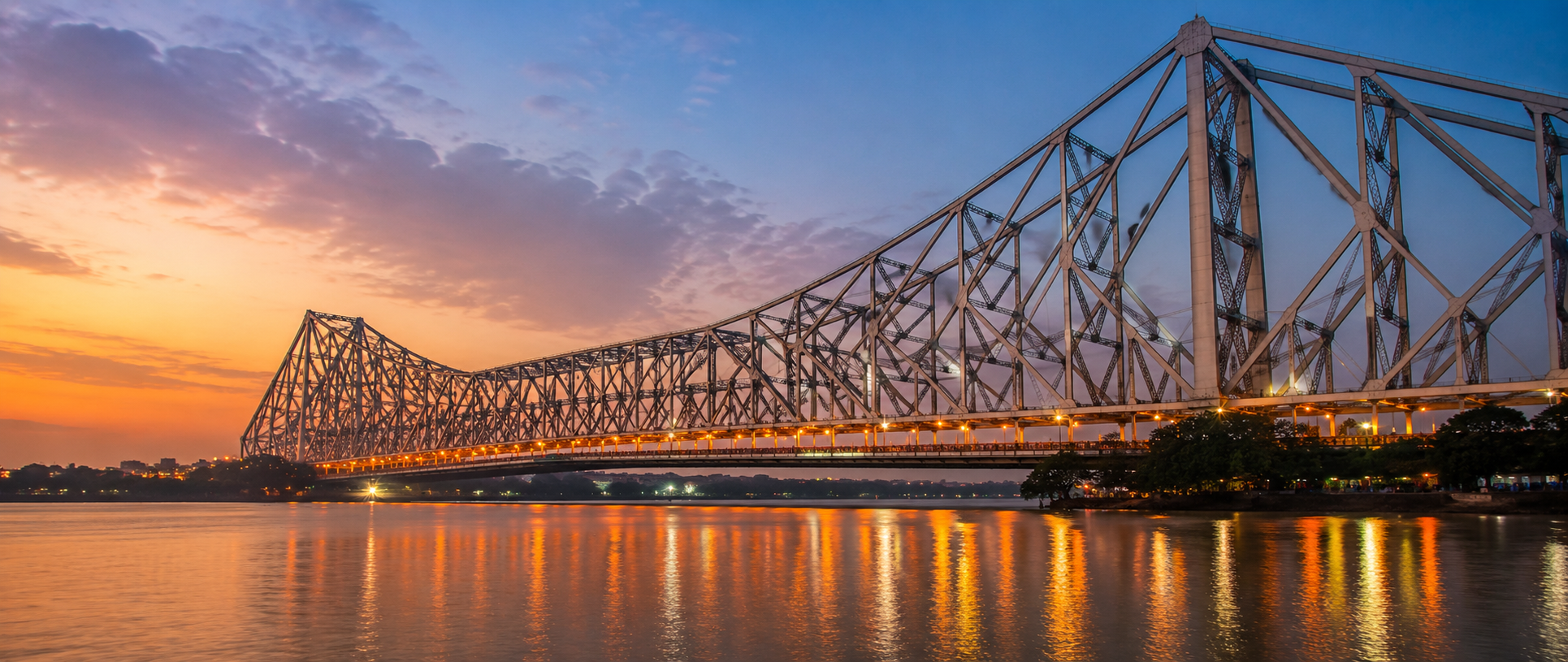
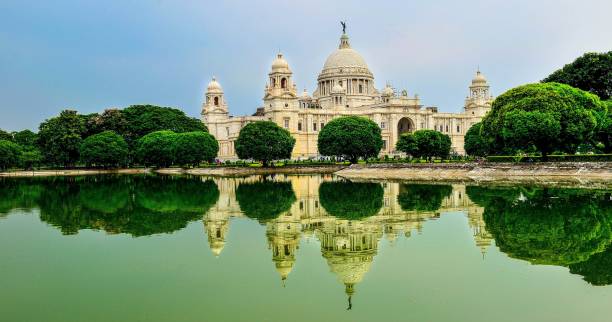
Kolkata is the most intellectually and culturally layered city in India, a place where the Nobel laureate tradition (Rabindranath Tagore, Mother Teresa, Amartya Sen), the revolutionary political history, the colonial architecture, the street food culture, and the sheer density of artistic and literary production exist in such concentration that even a week here barely scratches the surface. The city was the capital of British India until 1911, and the colonial inheritance is visible everywhere: the Victoria Memorial (a Taj Mahal-scale marble building commissioned by Lord Curzon), the Writers' Building, the High Court, the Maidan, and the racecourse that together form the most complete colonial civic ensemble in Asia. But Kolkata's soul is in its neighbourhoods: the Kumartuli quarter where clay idol-makers produce the Durga Puja figures that will be immersed in the Hooghly 3 months later; the College Street coffee house where Bengali intellectuals have argued about literature and politics since 1876; the Jorasanko Thakur Bari (Tagore's ancestral home); and the Kalighat temple, one of the 51 Shakti Peethas, in a neighbourhood that has absorbed pilgrims, artists, and the poor for centuries. Durga Puja ,the 5-day festival in October that transforms every neighbourhood into a public art installation, is the most spectacular urban festival in India.
Best Time to Visit- October to March (finest weather) • October (Durga Puja- the most spectacular urban festival in India; book 6 months ahead) • December to January (pleasant, Christmas on Park Street is charming) • avoid April to June (extreme heat and humidity, 38–42°C)
Places to Visit- Victoria Memorial • Howrah Bridge • Kalighat Temple • Jorasanko Thakur Bari • Kumartuli • College Street • Park Street • Marble Palace • Mother House (Mother Teresa) • Indian Museum
What to Eat- Kosha Mangsho • Hilsa Fish preparations • Mishti Doi (sweetened yoghurt set in earthen pots) • Sandesh and Rasgolla • Kathi Roll • Phuchka • Flurys pastries
Top Things to Do
• Victoria Memorial at dawn- the marble building in the morning mist before the crowds; the museum inside has the finest collection of British India-era paintings and artefacts.
• Kumartuli idol-maker quarter- the narrow lanes where clay Durga figures are produced from August to October; the scale and skill of the process is extraordinary.
• College Street book market and Coffee House- the densest concentration of second-hand books in Asia, and the coffee house where Tagore, Vivekananda, and Subhas Chandra Bose once debated.
• Durga Puja pandal circuit (October)- with a local guide, visiting the finest community installations across the city; some pandals are architectural masterpieces built to be dismantled in 5 days.
• Kalighat Temple and neighbourhood- the 200-year-old Kali temple in the pilgrimage neighbourhood; the morning goat sacrifice and the flower market at the entrance.
• Hooghly River ferry and Howrah Bridge- the 2-rupee ferry between Armenian Ghat and Howrah at dawn; the view of the cantilever bridge from the river at first light.
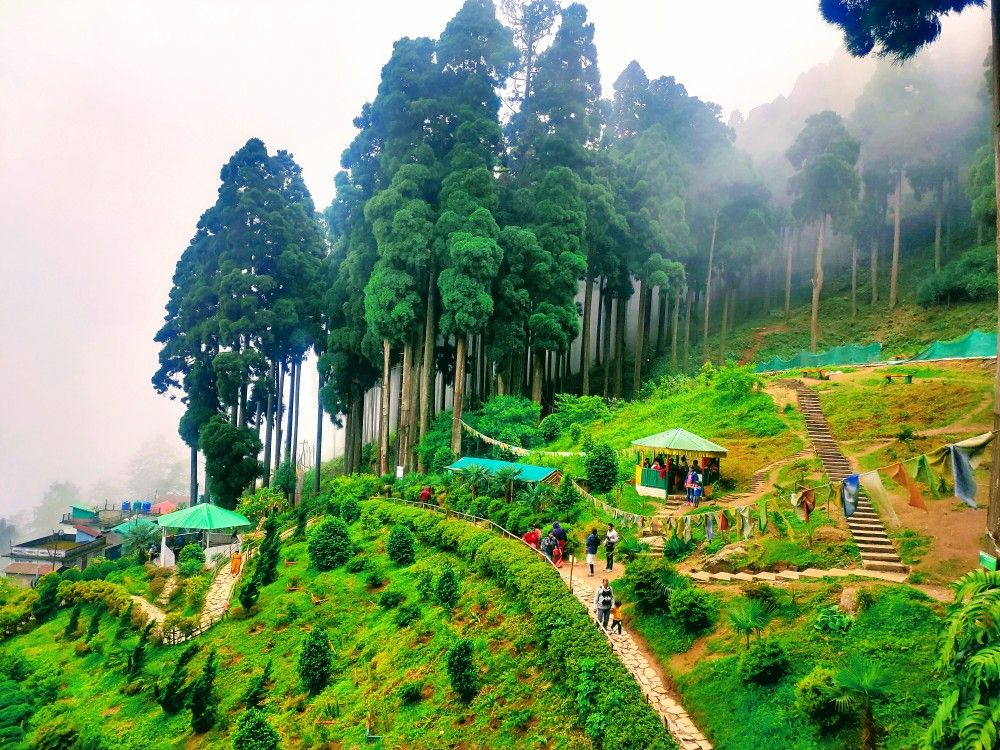
2. Darjeeling- Queen of the Hills and the World's Finest Tea
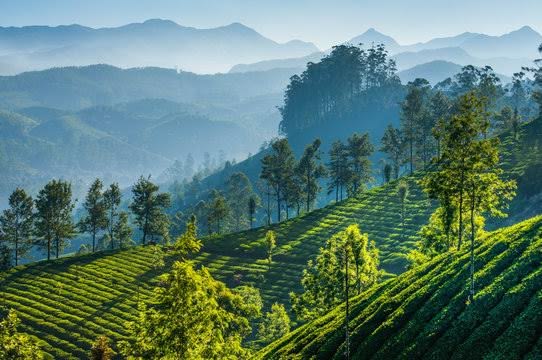
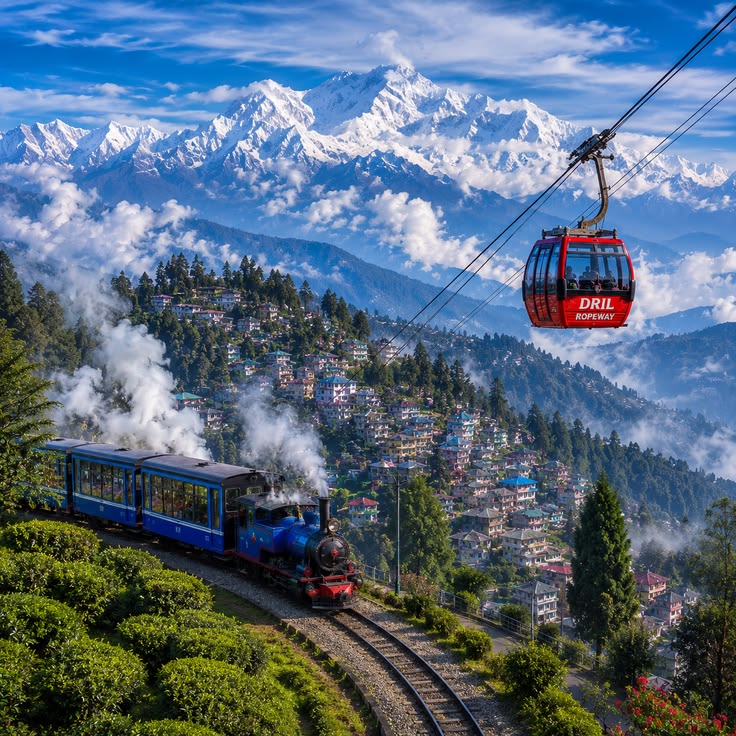
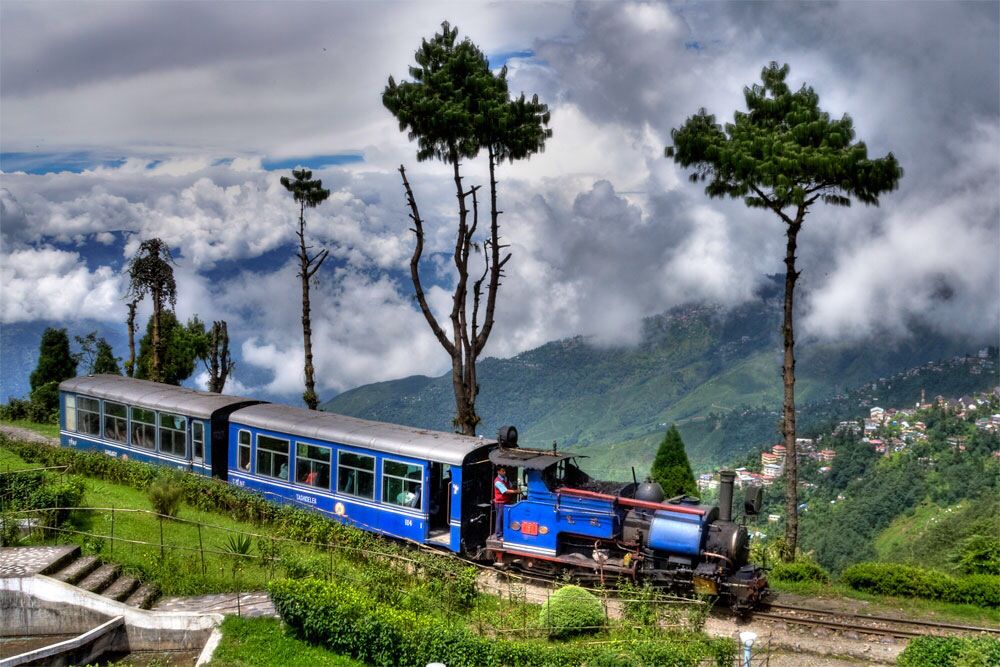
Darjeeling sits at 2,042 metres on a ridge in the Singalila Range of the Eastern Himalayas, with a view of the Kanchenjunga massif, the world's third-highest peak that on clear mornings appears so close and so enormous that it seems to belong to a different scale of reality. The town was developed by the British from the 1840s as a sanatorium for the Bengal Presidency, and the Victorian hill station character the toy train, the colonial bungalows, the Planters' Club, the St. Paul's School is more intact here than at any other hill station in India. The Darjeeling Himalayan Railway (UNESCO World Heritage Site since 1999) is the most famous narrow-gauge mountain railway in the world: the B-class steam locomotives that have been hauling passengers up the 78-kilometre route from New Jalpaiguri since 1881 are still operational, and the journey through loop reversals, spiral curves, and viaducts over increasingly dramatic valleys is one of the finest train experiences in the world. The tea estates that cover the slopes around Darjeeling produce the most celebrated tea on earth: first-flush Darjeeling (harvested in March to April) is sold at auction for prices that rival Bordeaux wine, and a guided tour of a working estate during harvest is one of the most sensory experiences in Indian tourism.
Best Time to Visit- March to May (first flush tea harvest, rhododendron in bloom, clear pre-monsoon views) • October to November (post-monsoon clarity, second flush estates, finest Kanchenjunga views) • December to February (cold but clear, snow occasionally dusts the town) • Monsoon June–September mist and rain, the tea is at its most dramatic but views are lost
Places to Visit- Tiger Hill • Darjeeling Himalayan Railway (UNESCO) • Makaibari Tea Estate • Happy Valley Tea Estate • Himalayan Mountaineering Institute • Padmaja Naidu Zoo • Ghum Monastery • Observatory Hill • Peace Pagoda
What to Eat- Darjeeling Tea • Momos • Thukpa • Sel Roti (rice flour ring bread) • Gundruk soup • Churpi (hard yak cheese) • Tongba (millet beer) • Wai Wai noodles.
Top Things to Do
• Tiger Hill sunrise- the 4:30 AM drive for the sunrise over Kanchenjunga and Everest; book a vehicle the evening before and arrive by 5 AM.
• Tea estate tour during plucking season (March to May, October)- the Makaibari, Happy Valley, or Castleton estate; watch the plucking, the withering, the rolling, and the drying in sequence.
• Darjeeling Himalayan Railway toy train- the UNESCO steam locomotive from Ghum to Darjeeling or the full NJP to Darjeeling journey; book the first-class compartment.
• Himalayan Mountaineering Institute- Tenzing Norgay's institute with the finest mountaineering museum in India; the actual ice axe used on the 1953 Everest summit is here.
• Padmaja Naidu Zoological Park- red panda, snow leopard, Himalayan wolf, and black bear in the largest high-altitude zoo in India.
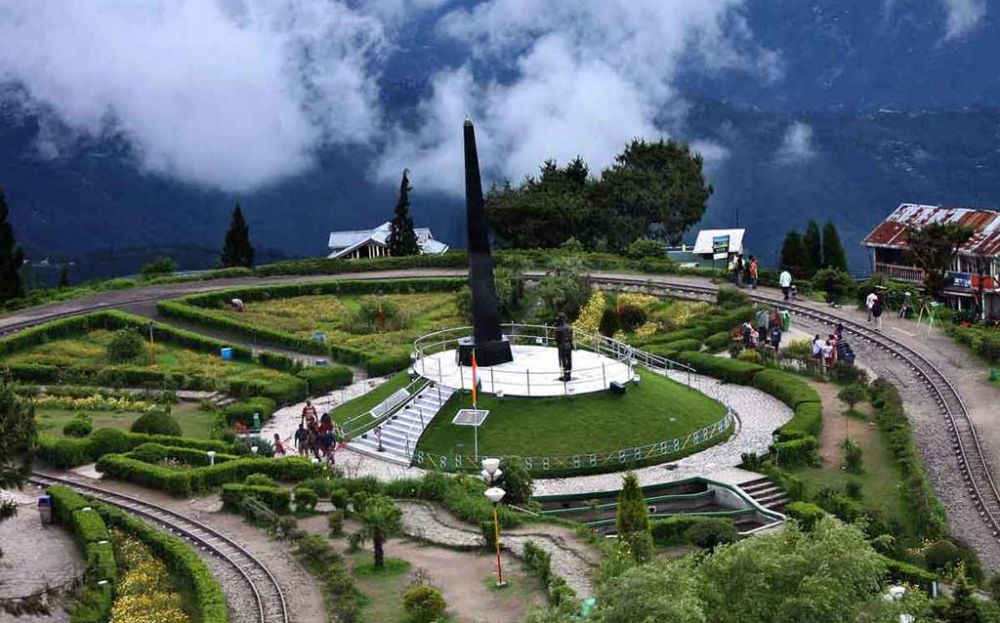
• Batasia Loop viewpoint and war memorial- the most photographed section of the toy train route, where the track makes a complete 360-degree loop; the Gorkha War Memorial at the loop.
3. Sundarbans- Royal Bengal Tiger in the Mangrove Delta
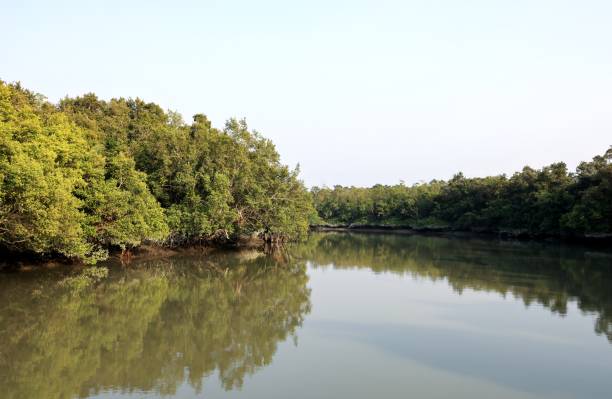
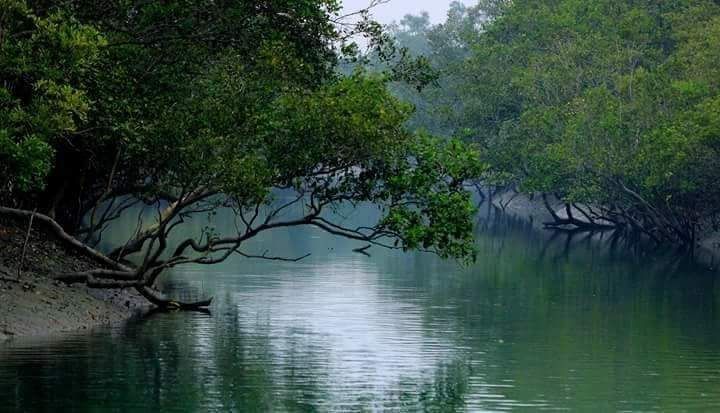
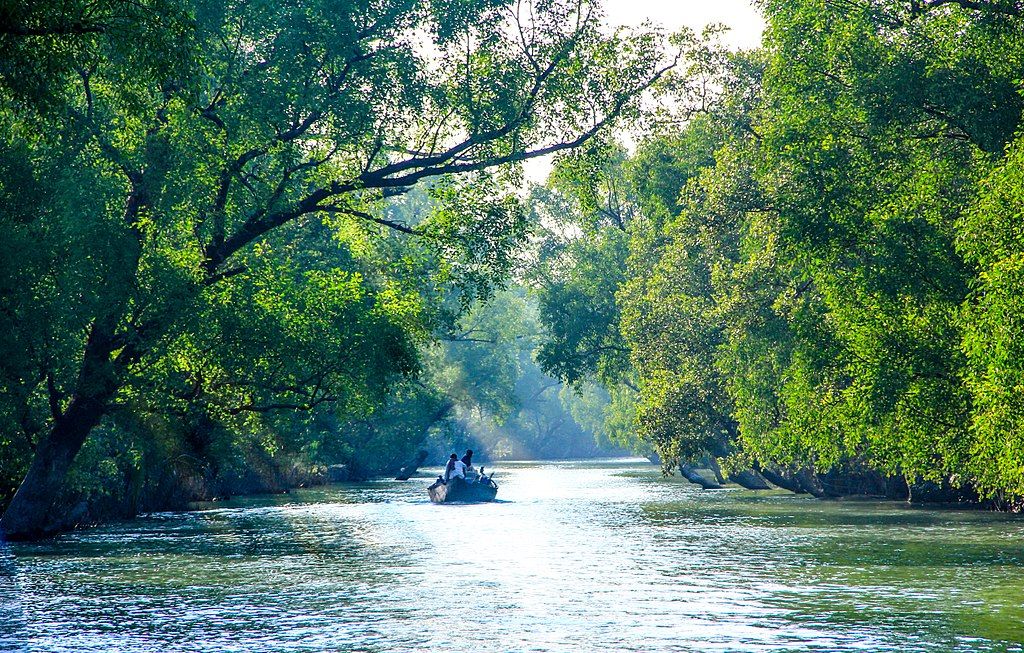
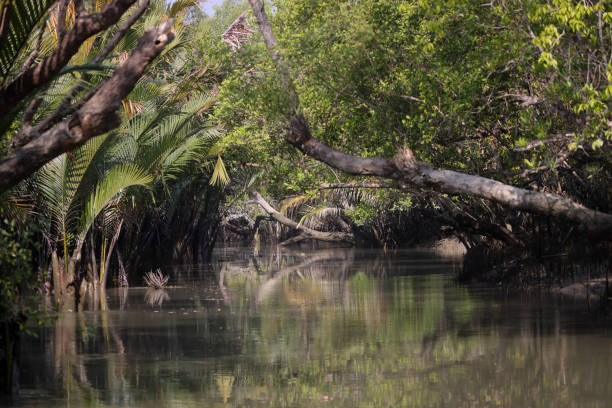
The Sundarbans is the world's largest mangrove delta, a UNESCO World Heritage Site and a Ramsar Wetland of International Importance, covering 10,000 square kilometres across India and Bangladesh where the Ganges, Brahmaputra, and Meghna river systems meet the Bay of Bengal in a labyrinth of tidal channels, mudflats, and dense mangrove forest. It is the last remaining habitat of the Bengal tiger population that has adapted to this tidal environment, swimming between islands, hunting in waist-deep water, and existing in the only tiger habitat in the world where the apex predator has never lost its fear of humans, meaning attacks remain more frequent here than at any other tiger reserve in India. The Bengal tiger of the Sundarbans is larger, swims better, and behaves differently from its inland cousins and seeing one from a boat in the tidal channels, even at a distance, is one of the most extraordinary wildlife encounters in Asia. The delta is also extraordinary for birds: kingfishers, ospreys, brahminy kites, spotted deer, estuarine crocodiles, Irrawaddy dolphins, and the endangered olive ridley sea turtle complete an ecosystem of exceptional biodiversity.
Best Time to Visit- September to March (wildlife active, mangrove forest accessible) • October to February (peak for bird life and tiger sightings) • Monsoon June–August, the delta is inaccessible and dangerous • avoid April to May (extreme heat in the delta, tiger sightings poor).
Places to Visit- Sundarbans National Park • Sajnekhali Sanctuary • Sudhanyakhali Watch Tower • Dobanki Canopy Walk • Pakhiralay • Gosaba Island • Netidhopani • Bali Island.
What to Eat- Sundarbans fish curry • Bhetki • Prawn Malai Curry • Chingri Macher Jhol • Hilsa Fish in the monsoon season.
Top Things to Do
• Boat safari at dawn- the narrow secondary channels at 5:30 AM before the main boat traffic; tiger paw prints on the mud banks are common even when the animal is not visible.
• Sudhanyakhali watch tower- the elevated watch tower above a water hole at the edge of the core area; tiger, spotted deer, estuarine crocodile, and water monitor lizard.
• Night on the delta boat- the extraordinary experience of the mangrove at midnight, with bioluminescent plankton in the water and the sounds of the nocturnal forest.
• Sajnekhali Bird Sanctuary- the island sanctuary with the finest concentration of kingfishers, herons, egrets, and raptors in the Sundarbans.
• Dobanki canopy walk- the 800-metre elevated walkway through the mangrope canopy; the view of the channel from above is completely different from the boat perspective.
• Village community visit at Pakhiralay- the fishing communities on the delta's edge whose relationship with the tigers has evolved over generations; the Bon Bibi worship tradition.
4. Kalimpong- The Flower Town of the Eastern Himalayas
Kalimpong sits at 1,247 metres on a ridge of the Shivalik Hills above the Teesta River, 51 kilometres east of Darjeeling and 75 kilometres from Siliguri, a position that made it the most important trading post between British India and Tibet from 1865 until the border closed in 1962. The Silk Route mule caravans that brought wool, salt, and borax from Tibet through the Jelep La pass descended to Kalimpong, and the town's character, its Scottish mission church, its Tibetan Buddhist monasteries, its nurseries producing orchids and gladioli for the Kolkata market, and its unusual Scottish-Tibetan-Nepali cultural fusion, reflects this extraordinary crossroads history. The Thongsa Gompa (1692 CE, the oldest monastery in the Darjeeling hills), the Morgan House (a 1930s colonial mansion converted to heritage accommodation), and the Kalimpong Arts and Crafts Centre (producing the finest hand-woven rugs and textiles in Bengal) give the town a heritage depth that most visitors, who treat it as a day trip from Darjeeling, completely miss.
Best Time to Visit- October to May (pleasant hill station weather, all roads open) • March to May (gladioli and orchid season, most nurseries at peak) • October to November (post-monsoon clarity, finest views of Kanchenjunga from Deolo Hill) • Monsoon June–September, Teesta River spectacular, but roads affected by landslides.
Places to Visit- Deolo Hill • Thongsa Gompa • Zang Dhok Palri Gompa • Kalimpong Arts & Crafts Centre • Morgan House • Coronation Bridge • Durpin Hill • Lava Village • Lolegaon.
What to Eat- Kalimpong Cheese • Momos • Thukpa • Sel Roti • Chhurpi (hard cheese) • Tongba • Noodle soup variations • Kalimpong Cake.
Top Things to Do
• Deolo Hill sunrise- the hilltop viewpoint above Kalimpong at dawn; the Kanchenjunga view is comparable to Tiger Hill at Darjeeling but with no crowd.
• Thongsa Gompa at morning prayer (1692)- the oldest monastery in the Darjeeling hills; the morning puja with drums and cymbals in the ancient hall.
• Flower nursery circuit- Kalimpong's orchid and gladioli nurseries (Sheela Nursery, Shanti Kunj) are open for guided walks; the orchid collection at Sheela Nursery is extraordinary.
• Kalimpong Arts & Crafts Centre- the hand-woven carpet and textile workshop; the finest rugs produced in Bengal are made here on traditional looms.
• Teesta River suspension bridge (Coronation Bridge)- the 1941 colonial bridge at the bottom of the valley, 30 km from Kalimpong; the view of the river gorge from the bridge.
• Lava village day trip (32 km)- the small hilltop village on the Neora Valley National Park boundary; red panda habitat, rhododendron forest, and complete solitude.
5. Dooars- Jungle, Tea, and Elephant Corridors
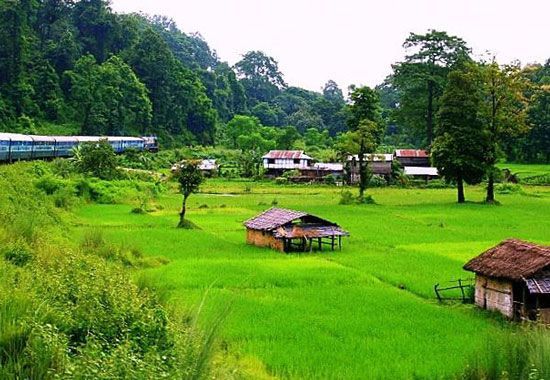
The Dooars is the name given to the terai and duars (doorways) lowland region of North Bengal, the flat, forest-covered strip between the Bhutan foothills and the Brahmaputra plains where the Teesta, Torsa, Jaldhaka, and Raidak rivers flow south from the Himalayas through a landscape of tea gardens, elephant corridors, national parks, and river islands. The Gorumara National Park and the Jaldapara National Park together protect the finest population of one-horned rhinoceroses in West Bengal (the Jaldapara population of approximately 250 rhinos is second only to Kaziranga in India). The Buxa Tiger Reserve covers 760 square kilometres of sal forest and is a critical elephant corridor between Bhutan and the Manas National Park. The tea gardens of Dooars producing Dooars tea (different from Darjeeling in character, stronger and more robust), create an agricultural landscape of unusual beauty: rows of tea bushes between shade trees, with the Bhutan foothills visible behind.
Best Time to Visit- October to May (parks open, wildlife active) • February to May (finest rhino sightings at Jaldapara and Gorumara water bodies dry, animals concentrate) • October to November (post-monsoon, elephant herds visible) • Parks closed June to September (monsoon).
Places to Visit- Gorumara National Park • Jaldapara National Park • Buxa Tiger Reserve • Buxa Fort • Murti River • Lataguri • Madarihat • Rajabhatkhawa • Chilapata Forest.
What to Eat- Dooars Tea • North Bengal Pork preparations • Bamboo shoot curry • Momos • Rice with fish curry • Planter's breakfast at the bungalow.
Top Things to Do
• Jaldapara elephant safari- the only way into the park's core area; the mahout-guided elephant ride through the sal forest for one-horned rhino sightings.
• Gorumara jeep safari at dawn- the finest rhino-sighting park in West Bengal; dawn safari in Zone 1 has the highest sighting probability.
• Tea garden bungalow stay- overnight in a working planter's bungalow (Glenburn, Mayfair Dooars, or Sinclairs) surrounded by the estate; dawn tea from the garden.
• Buxa Fort trek (870 m, 4 hours from Buxa Tiger Reserve)- the 19th-century Bhutan-era fort at the top of the ridge with views into Bhutan.
• Elephant corridor night watch- the Buxa corridor between Bhutan and Manas; guided night observation with forest department permission.
• River island at Murti- the Murti River's braided channels create river islands accessible by local boat; excellent birdwatching including river terns and kingfishers.
6. Shantiniketan- Tagore's University Town
Shantiniketan is where Rabindranath Tagore built his open-air university Visva-Bharati, founded in 1921, where classes were conducted under the trees rather than in closed classrooms, the curriculum included music, dance, and fine arts alongside academic subjects, and students from Bengal, the rest of India, and the world came to experience a radically different model of education. The campus, 160 kilometres from Kolkata in the Birbhum district, retains the character Tagore gave it: the Uttarayan Complex (Tagore's personal residences, now a museum), the open-air classrooms still in use, the Sangit Bhavana music school, and the Kala Bhavana art school whose faculty has produced some of Bengal's and India's finest visual artists over a century. Shantiniketan's Poush Mela (December) is the finest rural fair in Bengal, drawing craftspeople, Baul singers, and artisans from across the state in a 3-day event that is simultaneously a market, a performance, and a cultural gathering of extraordinary energy.
Best Time to Visit- October to March (comfortable weather, university active) • December (Poush Mela, the finest rural fair in Bengal, around the 25th Poush of the Bengali calendar) • Spring (Basanta Utsav in Holi season- Shantiniketan's celebration of Holi with flowers and songs in the Tagore tradition) • avoid April to June (extreme heat in the Birbhum plains).
Places to Visit- Uttarayan Complex • Sangit Bhavana • Kala Bhavana • Sriniketan • Poush Mela Ground • Amar Kutir • Bishnupur Terracotta Temples (day trip) • Tarapith (50 km).
What to Eat- Shantiniketan Telebhaja • Patishapta • Moa • Mishti Doi • Birbhum Mutton curry • Luchi with Alur Dom • Mustard-based fish preparations.
Top Things to Do
• Uttarayan Complex (Tagore's residences)- the five houses Tagore designed for himself across 50 years, each reflecting a different phase of his thought; the Udayan and Shyamali houses are the finest.
• Poush Mela (December)- the 3-day rural fair with Baul singers, craftspeople, and artisans from across Bengal; the dawn Baul performance on the first day is the emotional centrepiece.
• Baul music session- the Baul tradition (devotional folk music by wandering singer-saints) is centred in Birbhum; a morning session with a practicing Baul is the finest introduction to the tradition.
• Kala Bhavana art school- the century-old art school whose faculty included Nandalal Bose and Benode Behari Mukherjee; the current studios and the permanent collection.
• Sriniketan village craft walk- the rural development centre Tagore founded; handloom weaving, batik, and leather craft workshops with practicing artisans.
• Bishnupur terracotta temples (60 km)- the 17th-century Malla dynasty terracotta temples are the finest in Bengal; the Rasmancha and the Jorbangla are the most extraordinary.
7. Digha & Mandarmani- Bengal's Beaches
Bengal has 158 kilometres of Bay of Bengal coastline, a stretch of beach that is almost entirely flat, backed by casuarina and palm forest, and characterised by long shallow surf and extraordinary sunrises over the sea. Digha, 185 kilometres from Kolkata, is Bengal's most popular and most developed beach resort, the crowds, the hawkers, and the commercial infrastructure give it a character closer to Puri than to the Andamans, but the beach itself is long (6 kilometres of uninterrupted sand) and the sea is warm. Mandarmani, 14 kilometres south of Digha, is completely different: a 13-kilometre beach on a sand spit that is the longest driveable beach in India, where vehicles drive on the firm sea-washed sand at low tide and the density of resort development is significantly lower than Digha. The red crabs of Mandarmani, which emerge from the sand in thousands during the monsoon and the fishing village of Dadanpatrabar at the southern end give the beach a character that no amount of resort construction has entirely erased.
Best Time to Visit- October to March (finest beach weather, sea calm) • Monsoon July to August (red crabs emerge at Mandarmani, dramatic seas but not swimmable) • December to January- the beaches are at their most atmospheric, with morning mist and moderate temperatures
Places to Visit- Digha Beach • Mandarmani Beach • Tajpur Beach • Shankarpur Fishing Village • Udaipur Beach • Dadanpatrabar • New Digha Marine Aquarium
What to Eat- Fresh seafood at the Digha beach shacks • Chingri Macher Malai Curry (prawn in coconut milk) • Crab preparations at Mandarmani's seafood restaurants • Bhapa Ilish (hilsa steamed in mustard and coconut) • Hot tea and Nimki (flaky savoury pastry) at the beach stalls at dawn
Top Things to Do
• Mandarmani beach drive at low tide- drive the full 13 km of firm beach sand at low tide; the longest driveable beach in India.
• Red crab observation (July to August monsoon)- the thousands of red crabs that emerge from the Mandarmani sand during monsoon create one of Bengal's most unusual natural spectacles
• Digha sunrise walk- the 6 km Digha beach at dawn is surprisingly peaceful before the day's crowds; the sunrise over the Bay of Bengal from here is genuinely beautiful.
• Tajpur beach (between Digha and Mandarmani)- the undeveloped casuarina-backed beach with no resort infrastructure; the finest natural beach on the Bengal coast.
• Shankarpur fishing village- the active fishing village 7 km from Digha where the night catch is landed at dawn; the fish market and the boat repair yard.
• New Digha Marine Aquarium- the recently opened aquarium with Bay of Bengal species; useful context for the beach ecosystem.
8. Murshidabad- Capital of the Nawabs of Bengal
Murshidabad was the capital of the Nawabs of Bengal from 1717 to 1772, the wealthiest province of the Mughal Empire, whose revenue exceeded that of the entire British economy at its peak, and whose Nawab Siraj ud-Daulah was defeated at the Battle of Plassey in 1757 in the event that began British colonial rule in India. The Hazarduari Palace (1837), built by the last Nawab on the bank of the Bhagirathi River, is a thousand-door (hence the name) neoclassical building of extraordinary scale that houses the finest collection of Mughal, Nawabi, and early British-era artefacts in Bengal including Siraj ud-Daulah's personal sword, a 660-pound chandelier, and one of the finest European painting collections in India. Katra Mosque (1724), Kathgola Palace, Imambara, and the Plassey battlefield (60 km) complete a heritage landscape of rare depth and historical resonance.
Best Time to Visit- October to March (comfortable heritage touring weather) • avoid April to June (extreme heat) • Muharram (Islamic calendar, October/November), the Imambara processions at Murshidabad are extraordinary.
Places to Visit- Hazarduari Palace • Katra Mosque • Imambara • Bhagirathi River • Plassey Battlefield (60 km) • Kathgola Palace • Nashipur Palace • Murshidabad Silk Market.
What to Eat- Murshidabad Mutton • Biryani at the old city restaurants • Murshidabad Silk Worm Pupae fry • Mishti Doi • Pantua • Murshidabad silk merchants' traditional tea.
Top Things to Do
• Hazarduari Palace (thousand doors)- the neoclassical palace museum; spend 3 hours on the collection including Siraj ud-Daulah's sword, European paintings, and Nawabi artefacts.
• Bhagirathi River boat at dawn- the 4-km-wide river at Murshidabad is one of Bengal's most extraordinary water landscapes; the palace visible from the river.
• Katra Mosque ruins (1724)- the mosque built by Murshid Quli Khan; the ruins of the mausoleum below the mosque where he is buried.
• Imambara of Murshidabad- the Shia religious hall for Muharram; the collection of ta'ziya (processional floats) stored inside is the finest in Bengal.
• Plassey battlefield (60 km)- the mango orchard where the Battle of Plassey was fought on 23 June 1757; a small memorial marks the site where India's colonial history began.
• Silk weaving workshops- Murshidabad is famous for its Murshidabad silk (different from Banarasi silk, finer and more delicate); the weaving families in the old city produce and sell directly.
9. Bishnupur- Terracotta Temples of the Malla Kings
Bishnupur is one of the finest and least-known heritage towns in India, a small district headquarters in Bankura where the Malla dynasty (7th to 18th century CE) built an extraordinary series of terracotta temples using the distinctive red laterite soil of the region. The temples of Bishnupur use locally fired terracotta tiles and panels rather than stone (which was scarce in this part of Bengal), and the craftsmen who created them developed a distinctive narrative terracotta art style — depicting scenes from the Ramayana, the Mahabharata, the Bhagavata Purana, and everyday Malla court life — that has been recognised as one of India's most original architectural traditions. The Rasmancha (1600 CE) — a flat-roofed pyramidal brick structure unlike anything else in Bengal and the Jorbangla Temple (1655 CE, whose curved roof copies the shape of Bengal's traditional thatched huts in brick) are the finest, but the entire town is a temple complex of 32 significant structures that can be explored on foot in a day.
Best Time to Visit- October to March (comfortable heritage walking weather) • avoid April to June (very hot in the Bankura plains) • The terracotta temples are most atmospheric in the early morning when the red colour deepens in the low light.
Places to Visit- Rasmancha • Jorbangla Temple • Shyamrai Temple • Madan Mohan Temple • Dalmadal Cannon • Bishnupur Museum • Bankura Horse Potter Village.
What to Eat- Bishnupur's local restaurants serve the distinctive Bankura-Bishnupur cuisine • Laal Maas equivalent made with mustard and local chilli (a Bankura district speciality) • Sandesh from the local sweet shops • Rice with Shukto • Aam Pora Shorbot.
Top Things to Do
• Rasmancha (1600 CE)- the flat-roofed pyramidal temple with 108 arched galleries that serves as the ceremonial centre of the Bishnupur temple complex.
• Jorbangla Temple terracotta panels- the finest narrative terracotta panels in Bishnupur, depicting the Ramayana and Krishna's life in the distinctive Malla style.
• Dalmadal Cannon (17th century)- the enormous cannon that the Malla king Gopal Singh used to repel Maratha raids; cast in a single pouring by a local craftsman.
• Bankura Horse workshop- the local potter families who produce the distinctive long-necked terracotta horse figurines; a morning with a practising potter is the finest craft experience.
• Shyamrai Temple (1643)- five terracotta shikhara towers, each covered in narrative panels; the most elaborately decorated temple in Bishnupur.
• Bishnupur Mela (December)- the craft and cultural fair in the town; the best opportunity to buy authentic Bankura terracotta and Bishnupur silk directly from makers.
Adventurous Activities in West Bengal Holiday Packages
West Bengal is far more adventurous than most travellers expect. Beyond its cultural landmarks and heritage towns, the state offers Himalayan trekking routes, wildlife safaris, river adventures, tea garden trails, mangrove expeditions, and offbeat mountain experiences across North Bengal and the Sundarbans. Our West Bengal tour packages combine nature, adventure, and exploration for travellers looking to experience the state beyond traditional sightseeing.
1. Darjeeling Himalayan Trekking Routes- Short Himalayan hikes around Sandakphu, Tonglu, Tumling, and the Singalila Ridge with panoramic Kanchenjunga views
2. River Rafting on the Teesta River- White-water rafting experiences near Kalimpong and Teesta Bazaar through scenic Himalayan valleys
3. Sundarbans Boat Safaris- Explore the world’s largest mangrove delta through guided wildlife boat safaris in search of Royal Bengal Tigers, crocodiles, dolphins, and exotic birdlife
4. Jeep Safaris in Dooars- Wildlife adventures through Gorumara National Park, Jaldapara National Park, and Buxa Tiger Reserve for rhino, elephant, bison, and deer sightings
5. Tea Estate Walks in Darjeeling & Dooars- Guided plantation walks through some of India’s oldest and most famous tea gardens
6. Toy Train Journey in Darjeeling- Experience the UNESCO-listed Darjeeling Himalayan Railway through mountain loops, valleys, and mist-covered hills
7. Forest & Village Trails in Lava and Lolegaon- Nature walks through pine forests, birdwatching zones, hanging bridges, and peaceful Himalayan villages
8. Beach Activities at Digha & Mandarmani- Long beach drives, sunrise walks, red crab observation, and coastal cycling experiences along Bengal’s coastline
9. Birdwatching & Nature Photography- Excellent opportunities across Sundarbans, Neora Valley, Gorumara, and river wetlands for wildlife enthusiasts and photographers
10. Camping & Bonfire Experiences- Riverside camps, tea garden stays, and forest eco-resorts in North Bengal with mountain views and local cultural evenings
The Food of West Bengal-A Culinary Journey Through Bengal
Bengali cuisine is one of India's great culinary traditions intricate, layered, deeply seasonal, and fiercely beloved by those who know it. Eating your way through West Bengal is one of the great pleasures of travelling in India.
The Sacred Fish
For Bengalis, fish is not merely food it is culture, identity, and almost religion. The Ilish (Hilsa) is the undisputed queen of Bengali cuisine. During monsoon season, when Ilish are freshest and most flavourful, Bengalis celebrate with the same fervour as a festival. Ilish Bhaja (shallow-fried hilsa), Ilish Paturi (hilsa steamed in banana leaf with mustard paste), and Ilish Macher Jhol (hilsa fish curry) are dishes that Bengalis dream about when they are far from home.
Chingri Malaikari prawns cooked in a rich, creamy coconut milk gravy is a dish of regal elegance. Macher Kalia, Doi Maach (fish in yoghurt gravy), and Shorshe Maach (fish in mustard sauce) are everyday classics. Non-fish lovers need not worry Kosha Mangsho (slow-cooked mutton in a dark, caramelised onion-tomato gravy) is arguably the greatest dish in Bengali cuisine.
Street Food
Kolkata's street food scene is legendary. Kathi Roll grilled skewered meat or paneer wrapped in a flaky paratha was invented here at Nizam's restaurant and has since conquered street food stalls across India. Puchka (what the rest of India calls pani puri) is considered better in Kolkata than anywhere else, primarily because of the use of tamarind water and the specific size of the shell.
Jhal Muri (spicy puffed rice tossed with mustard oil, chilies, and chopped vegetables) is sold at every street corner and beach. Telebhaja (deep-fried snacks begun bhaja, aloor chop, phuluri) are the perfect companions to the constant cups of tea. Egg rolls, Ghoogni (spiced dried peas), and Chowmein (Kolkata's distinctive hakka-influenced Chinese noodles) complete the street food ecosystem.
The Sweet Obsession
Bengali sweets are in a class of their own. Roshogolla, soft, spongy balls of chhena (fresh cheese curd) soaked in light sugar syrup is perhaps Bengal's most famous export. Sandesh comes in hundreds of varieties: soft and fresh, or drier and more moulded, flavoured with saffron, cardamom, or Darjeeling tea. Mishti Doi (sweetened yoghurt fermented in earthen pots) is served at the end of every Bengali meal and is addictive beyond reason.
The Tea Culture
No discussion of West Bengal's food culture is complete without tea. Darjeeling First Flush Tea, harvested in March-April from the high-altitude gardens, is considered among the finest teas in the world, with a delicate, muscatel character that is impossible to replicate. Visit a tea garden, attend a tasting session, and bring home a few hundred grams you will never look at a tea bag the same way again.
In Kolkata, chai is served in small clay cups called kullhars at roadside stalls, and the ritual of drinking tea while discussing politics, literature, and cricket is as Bengali as the roshogolla itself.
Shopping Experience in West Bengal
West Bengal offers excellent shopping opportunities with its rich tradition of handicrafts and textiles.
Signature Shopping:
- Kolkata: Bengal cotton sarees, Baluchari silk, Terracotta jewelry, Conch shell items.
- Darjeeling: Premium orthodox tea, Tibetan handicrafts, woolens.
- Shantiniketan: Dokra metal crafts, batik prints, Kantha stitch sarees, leather bags.
- Bishnupur: Terracotta handicrafts and Bankura horses.
- Murshidabad: Silk sarees and traditional zari work.
Famous Festivals of West Bengal- Travel the Calendar
West Bengal's festival calendar is as rich as its geography. Timing your trip around a major festival transforms a holiday into a life experience.
Durga Puja- The Grand Festival of Bengal (September–October)
There is nothing in India, perhaps nothing in the world, quite like Durga Puja in Kolkata. For five days during Navratri, the entire state transforms into an open-air art installation. Every neighbourhood (para) builds an elaborately themed pandal, a temporary structure housing the goddess Durga's idol and these pandals range from recreations of world heritage sites to avant-garde contemporary art installations. Thousands of pandals across Kolkata and Bengal compete for artistic supremacy.
The Puja has been inscribed on UNESCO's Representative List of Intangible Cultural Heritage. Recognised artists design the pandals, master craftsmen create the idols, and the entire city erupts in music, lights, new clothes, street food, and a spirit of communal joy that transcends religion. On the final day, Vijaya Dashami, the idols are immersed in the Hooghly River in a procession of bittersweet farewell.
Poush Mela- Shantiniketan's Cultural Fair (December)
Held every year in the Bengali month of Poush (December), the Poush Mela at Shantiniketan is a four-day cultural fair that celebrates Tagore's heritage. Baul musicians, Santali folk dancers, handicraft sellers, and food stalls create an atmosphere of rustic, soulful festivity. This is one of the best festivals in India for experiencing authentic Bengali rural culture.
Ganga Sagar Mela- The Sacred Beach Pilgrimage (January)
On Makar Sankranti (mid-January), millions of Hindu pilgrims converge on Sagar Island at the mouth of the Ganges where it meets the Bay of Bengal. The Ganga Sagar Mela is one of the largest pilgrimage gatherings in India after the Kumbh Mela. Pilgrims take a holy dip at the Kapil Muni Ashram and believe it washes away all sins. The journey to Sagar Island — by train, bus, and ferry — is itself an extraordinary experience.
Rath Yatra- The Chariot Festival (June–July)
While Puri's Rath Yatra in Odisha is more famous, Mahesh Rath Yatra in Serampore (near Kolkata) is the oldest Rath Yatra in Bengal, celebrated since 1396 AD. Kolkata itself sees grand Rath Yatra processions with decorated chariots of Lord Jagannath pulled through the streets by thousands of devotees.
Kali Puja & Diwali- The Festival of Lights (October–November)
While much of India celebrates Diwali on the night of Amavasya, Bengal celebrates Kali Puja on the same night worshipping the fierce goddess Kali with equal devotion and even more dramatic flair. Giant Kali idols are installed in pandals across the state, and the night sky over Kolkata blazes with fireworks that rival any display in the country.
Poila Baisakh- Bengali New Year (April)
The Bengali New Year, Poila Baisakh, is celebrated on the first day of the Bengali calendar (April 14–15). Kolkata dresses up in red and white (the colours of Durga), shops open new account books, and the city fills with music, cultural performances, and the intoxicating smell of fresh sweets. It is one of the most joyful days in the Bengali cultural calendar.
Christmas in Kolkata- Park Street Comes Alive (December)
Kolkata's Anglo-Indian heritage makes Christmas a major festival here. Park Street is strung with lights and decorations that rival European Christmas markets. Midnight Mass at St. Paul's Cathedral draws thousands. Kolkata's bakeries produce plum cakes that Bengalis Hindu, Muslim, and Christian alike consume with equal enthusiasm. If you are in West Bengal in December, spend at least two nights in Kolkata.
Best Time to Visit West Bengal
West Bengal's diverse geography means the best time to visit varies significantly depending on where you are going.
October to February (The Golden Season- Recommended for Most Visitors)- This is peak season across West Bengal. The weather is cool and pleasant throughout the state. Durga Puja (October) and Kali Puja (October–November) make October the most spectacular time to visit Kolkata. Darjeeling sees clear skies and excellent Kanchenjunga views from October to November. The Sundarbans are best visited from November to February. Digha beach holidays are most enjoyable in this period.
March to May (Spring & Early Summer)- Darjeeling is at its most beautiful in spring, rhododendrons bloom, skies are clear, and the tea gardens are being harvested for the prized First Flush. Shantiniketan's Basanta Utsav (Holi celebration in the Tagore tradition) in March is a remarkable festival. Kolkata gets progressively hotter from March onwards, but remains manageable until April.
June to September (The Monsoon Season)- The Gangetic plains and coastal areas are hot and humid. However, Darjeeling and the North Bengal hills are spectacularly beautiful in monsoon the tea gardens turn an impossible green, waterfalls appear everywhere, and the mist clings to the mountains dramatically. The Sundarbans can be inaccessible during peak monsoon due to tidal conditions.
Festival Season Quick Guide:
- Durga Puja – October (5 days, usually Navratri)- MUST EXPERIENCE
- Kali Puja – October/November (Diwali night)
- Christmas – December 25 (especially in Kolkata)
- Poush Mela – December (Shantiniketan)
- Ganga Sagar Mela – January 14–15
- Saraswati Puja – January/February
- Basanta Utsav (Holi) – March (Shantiniketan)
- Poila Baisakh (Bengali New Year) – April 14–15
- Rath Yatra – June/July
- Durga Puja – October
How to Reach West Bengal?
By Air- Netaji Subhas Chandra Bose International Airport, Kolkata is West Bengal's primary international and domestic gateway. It is well connected to all major Indian cities including Delhi, Mumbai, Bengaluru, Chennai, Hyderabad, and Ahmedabad, and to several international destinations including Bangkok, Singapore, Dubai, Dhaka, and London. Flight time from Delhi is approximately 2 hours; from Mumbai, around 2.5 hours.
Bagdogra Airport (near Siliguri, in North Bengal) is the gateway to Darjeeling, Gangtok (Sikkim), and the northeast. It receives direct flights from Delhi, Mumbai, Kolkata, and Hyderabad. From Bagdogra, Darjeeling is about 3 hours by road (88 km).
By Train- West Bengal has one of India's most extensive and well-served rail networks. Howrah Station and Sealdah Station in Kolkata are among the busiest railway junctions in India, with connections to virtually every major city in the country.
Key train connections:
- Delhi to Kolkata: Rajdhani Express (17–18 hours), Duronto Express- among the most popular long-distance trains in India
- Mumbai to Kolkata: Gitanjali Express, Mumbai Mail (around 30–32 hours)
- Chennai to Kolkata: Coromandel Express (around 26 hours)
- Bengaluru to Kolkata: Various trains via Chennai or via Nagpur (30–36 hours)
- Delhi / Kolkata to New Jalpaiguri (NJP): NJP is the rail gateway to Darjeeling and North Bengal; the Darjeeling Mail from Kolkata takes around 10 hours overnight
From New Jalpaiguri (NJP), the famous Darjeeling Himalayan Railway (Toy Train) makes the scenic 7-hour journey to Darjeeling- a UNESCO heritage ride not to be missed.
By Road- West Bengal is well connected to neighbouring states by national highways. From Kolkata:
- Digha: ~185 km (approximately 3.5 hours by road)
- Mandarmani: ~180 km (approximately 3.5 hours)
- Shantiniketan: ~160 km (approximately 3 hours)
- Bishnupur: ~130 km (approximately 3 hours)
- Sundarbans (Canning): ~65 km (approximately 1.5 hours)
From Siliguri (the gateway city of North Bengal):
- Darjeeling: ~88 km (approximately 3 hours via Hill Cart Road)
- Mirik: ~52 km (approximately 2 hours)
- Kalimpong: ~52 km (approximately 2 hours)
- Gangtok, Sikkim: ~114 km (approximately 3.5 hours)
Vayabletrip provides comfortable AC cab transfers from all airports, railway stations, and between destinations throughout West Bengal, including specialised 4WD vehicles for the mountain routes to Darjeeling and North Bengal.
Getting Around Within West Bengal
Kolkata has an extensive public transport network, the Kolkata Metro (India's oldest metro system) runs across the city and is the most efficient way to cover major areas. Yellow Ambassador taxis, auto-rickshaws, and app-based cabs are widely available. The Hooghly River ferry service is a scenic and practical way to cross between Kolkata and Howrah.
In North Bengal, shared jeeps are the primary transport mode on mountain roads. For the Sundarbans, all movement is by country boat or motorised vessel.
Plan Your West Bengal Trip with Vayable Trip
Whether you want a peaceful tea garden retreat in the Himalayas, a heritage journey through Bengal’s historic towns, a wildlife safari in the Sundarbans or Dooars, or a relaxing beach holiday along the Bay of Bengal, we help you create the perfect itinerary based on your travel style and interests. Our West Bengal holidays are designed for travellers who want more than just sightseeing we focus on meaningful experiences, local culture, authentic food, and comfortable travel planning.
From short weekend getaways to complete 7–10 day Bengal circuits, our team helps you choose the best destinations, ideal travel season, accommodation options, transport, and activities. Whether you are travelling as a couple, with family, solo, or in a group, we offer customized West Bengal tour packages that combine flexibility, local expertise, and carefully selected experiences.
Get in touch with Vayable Trip today and start planning your unforgettable West Bengal journey from the mountains of Darjeeling to the heritage lanes of Kolkata and the waterways of the Sundarbans.