There are few destinations in the world that feel as raw, dramatic, and unforgettable as Ladakh. Rising between the Karakoram and Himalayan ranges, this high-altitude cold desert is a land of turquoise lakes, ancient Buddhist monasteries, remote mountain villages, and some of the highest motorable roads on earth. From the shifting colours of Pangong Tso and the sand dunes of Nubra Valley to the frozen rivers of the Chadar Trek and the remote landscapes of Zanskar Valley, every journey through Ladakh feels like entering another world. Our carefully designed Ladakh tour packages combine adventure, culture, landscapes, and local experiences into itineraries that are immersive, well-paced, and altitude-conscious.
Whether you are planning a bike trip from Manali to Leh, a family holiday around Pangong and Nubra, a monastery-focused cultural journey, or a high-altitude trekking expedition, our Leh Ladakh tour packages are designed for every kind of traveller. We focus on proper acclimatisation, experienced local drivers, quality stays, Inner Line Permit arrangements, and routes that allow travellers to experience Ladakh beyond rushed sightseeing. From luxury camps beside alpine lakes to authentic village homestays in remote valleys, every itinerary is built to balance comfort, safety, and meaningful exploration.
At Vayable Trip, we believe Ladakh is not just a destination to “cover” but a region to experience slowly and deeply. Our itineraries include sunrise monastery visits, scenic high-pass drives, traditional Ladakhi meals, remote Himalayan villages, and the extraordinary landscapes that have made Ladakh one of India’s most iconic travel experiences. Whether you are visiting for the first time or returning to explore deeper regions like Tso Moriri and Zanskar, our best Ladakh tour packages are designed to help you discover the Himalayas at their most spectacular.
Popular Ladakh Tour Packages
1. Leh Ladakh Tour Package
Duration: 5N/6D
Starting From: ₹14,999
Ideal For: First-Time Visitors
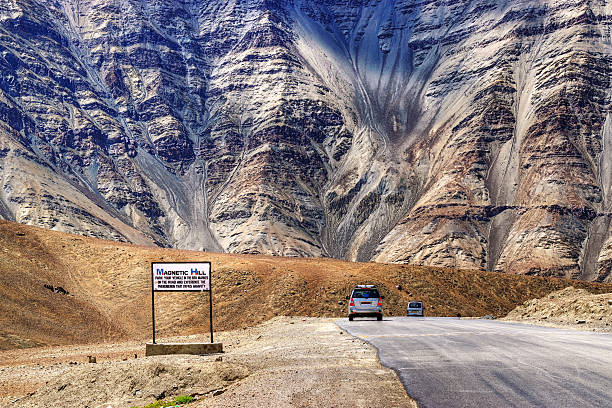
Highlights: Leh, Sham Valley, Magnetic Hill, Sangam Point, Hall of Fame, Shanti Stupa, local monasteries, and scenic Himalayan landscapes.
2. Leh Ladakh with Nubra Valley Package
Duration: 6N/7D
Starting From: ₹18,999
Ideal For: Families & Adventure Travelers
Highlights: Khardung La Pass, Nubra Valley, Diskit Monastery, Hunder Sand Dunes, double-humped camel safari, and Leh sightseeing.
3. Leh Ladakh with Pangong Lake Tour
Duration: 7N/8D
Starting From: ₹22,999
Ideal For: Couples & Nature Lovers
Highlights: Pangong Lake, Nubra Valley, Khardung La, Shanti Stupa, Thiksey Monastery, and stunning Himalayan road journeys.
4. Complete Ladakh Circuit Package
Duration: 8N/9D
Starting From: ₹27,999
Ideal For: Travelers Seeking Complete Ladakh Experience
Highlights: Leh, Nubra Valley, Pangong Lake, Tso Moriri Lake, Hanle, Changthang Plateau, monasteries, and remote Himalayan villages.
5. Ladakh Honeymoon Package
Duration: 6N/7D
Starting From: ₹24,999
Ideal For: Couples & Honeymooners
Highlights: Romantic stays, Pangong Lake camping, Nubra Valley experiences, private sightseeing, and scenic mountain landscapes.
6. Srinagar Leh Ladakh Tour Package
Duration: 8N/9D
Starting From: ₹26,999
Ideal For: Road Trip Enthusiasts
Highlights: Srinagar, Sonmarg, Drass, Kargil, Lamayuru, Leh, Nubra Valley, Pangong Lake, and the legendary Srinagar-Leh Highway.
7. Manali Leh Ladakh Road Trip Package
Duration: 9N/10D
Starting From: ₹28,999
Ideal For: Adventure Seekers & Bikers
Highlights: Atal Tunnel, Sarchu, Baralacha La, Tanglang La, Leh, Pangong Lake, Nubra Valley, and one of India's most iconic road journeys.
8. Ladakh Bike Trip Package
Duration: 8N/9D
Starting From: ₹29,999
Ideal For: Motorcycle Enthusiasts
Highlights: Royal Enfield expedition, Khardung La, Nubra Valley, Pangong Lake, high-altitude passes, and guided biking support.
9. Luxury Ladakh Tour Package
Duration: 7N/8D
Starting From: ₹39,999
Ideal For: Luxury Travelers
Highlights: Premium resorts, luxury camps, private transportation, curated experiences, Pangong Lake, Nubra Valley, and exclusive sightseeing.
10. Ladakh Family Tour Package
Duration: 6N/7D
Starting From: ₹19,999
Ideal For: Families & Senior Citizens
Highlights: Comfortable hotels, gradual acclimatization, monastery visits, Nubra Valley, Pangong Lake, and hassle-free travel arrangements.
What’s Included in Every Ladakh Travel Package?
To make your Himalayan journey comfortable and hassle-free, every package includes:
- Comfortable private transportation with experienced mountain drivers
- Accommodation in hotels, camps, and selected homestays
- Daily breakfast and dinner
- Inner Line Permit arrangements
- Airport pickup and drop in Leh
- Sightseeing as per itinerary
- Oxygen support and basic first-aid assistance
- Experienced trip coordinators and local support
- All taxes and government charges
Top Destinations in Our Ladakh Tour Packages
1. Leh- The High-Altitude Capital
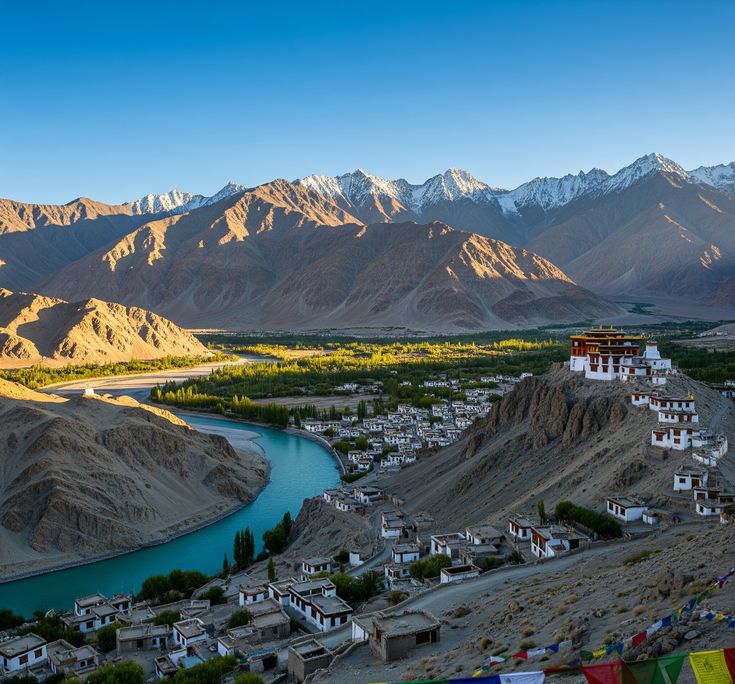
Leh sits at 3,500 metres in the Indus Valley, surrounded by the Zanskar and Ladakh ranges, and serves as the operational hub for every Ladakh itinerary, the airport, the hotels, the permit offices, and the acclimatisation days that no responsible tour skips. But Leh is more than a base: the old town rising behind the main bazaar, with the nine-storey Leh Palace (a 17th-century royal residence modelled on the Potala Palace in Lhasa) at its crown and the Namgyal Tsemo Gompa above that, contains one of the finest concentrations of Tibetan-influenced architecture in India. The Leh bazaar, a long street of shops selling turquoise jewellery, pashmina shawls, dried apricots, and chang (barley beer), is where the different threads of Ladakhi life converge: Ladakhi Buddhists, Kashmiri traders, Tibetan refugees, and Indian Army personnel creating a cultural mix found nowhere else in India at this altitude.
Best Time to Visit- June to September (main season, all roads open, all monasteries accessible) • July to August (peak- Hemis Festival in July, Ladakh Festival in September) • October (post-peak, fewer crowds, clear skies) • Winter (November to March) frozen Zanskar River (Chadar Trek), snow-covered landscape, near-zero tourists • The Manali-Leh Highway opens May, Srinagar-Leh Highway open year-round (weather permitting)
Places to Visit- Leh Palace • Namgyal Tsemo Gompa • Shanti Stupa • Leh Bazaar • Soma Gompa • Sankar Gompa • Ecology Centre • Leh War Memorial
What to Eat- Skyu (pasta and root vegetable stew, Ladakh's winter staple, deeply warming at altitude) • Thukpa • Tsampa • Butter Tea • Chhurpi (hard dried cheese) • Apricot jam on local bread • Chang (barley beer).
2. Pangong Tso- The Lake That Changes Colour
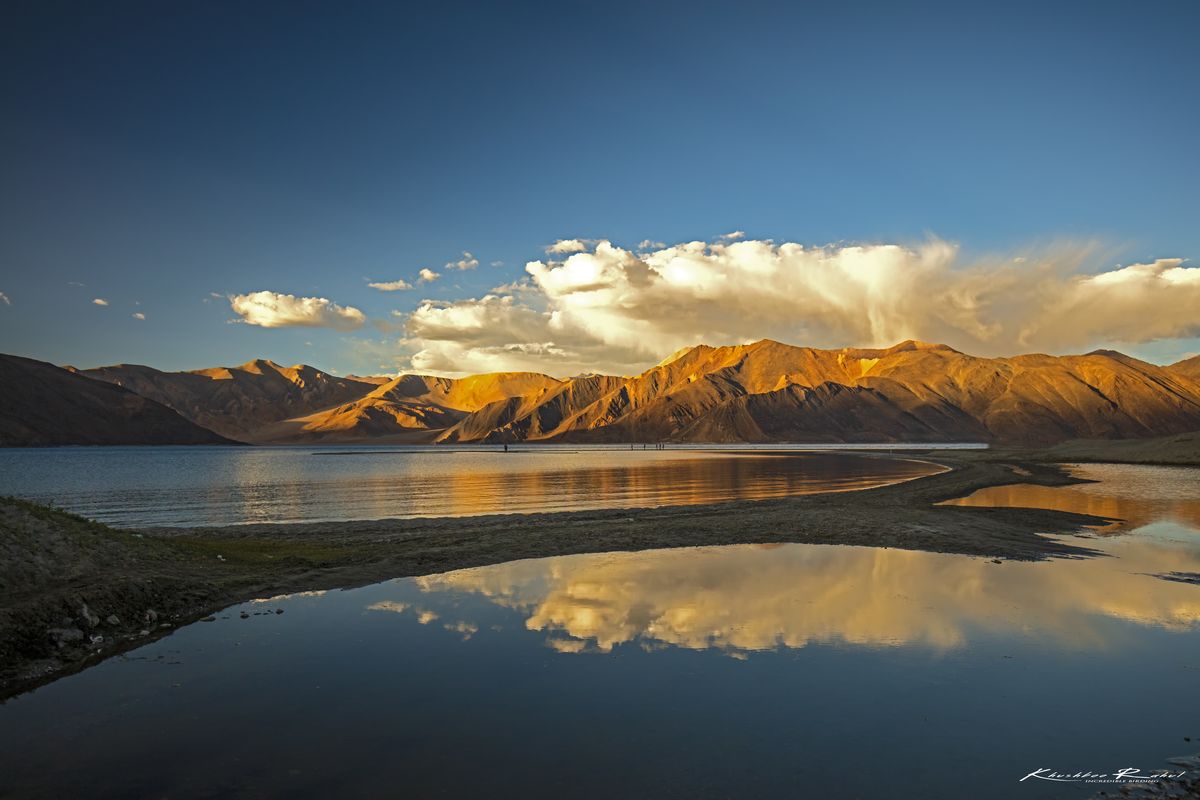
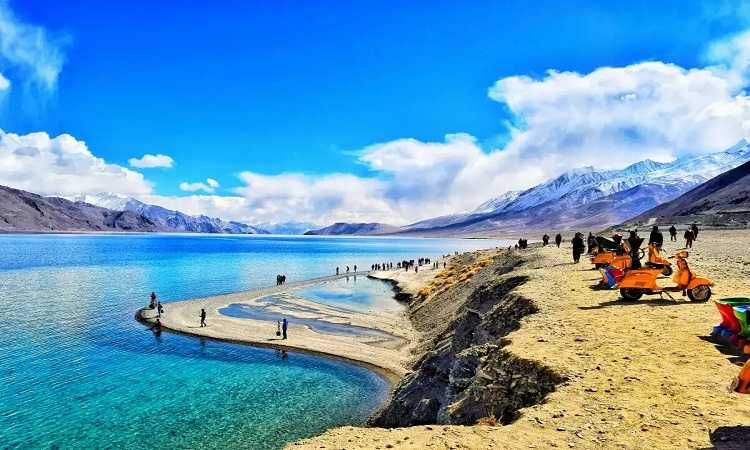
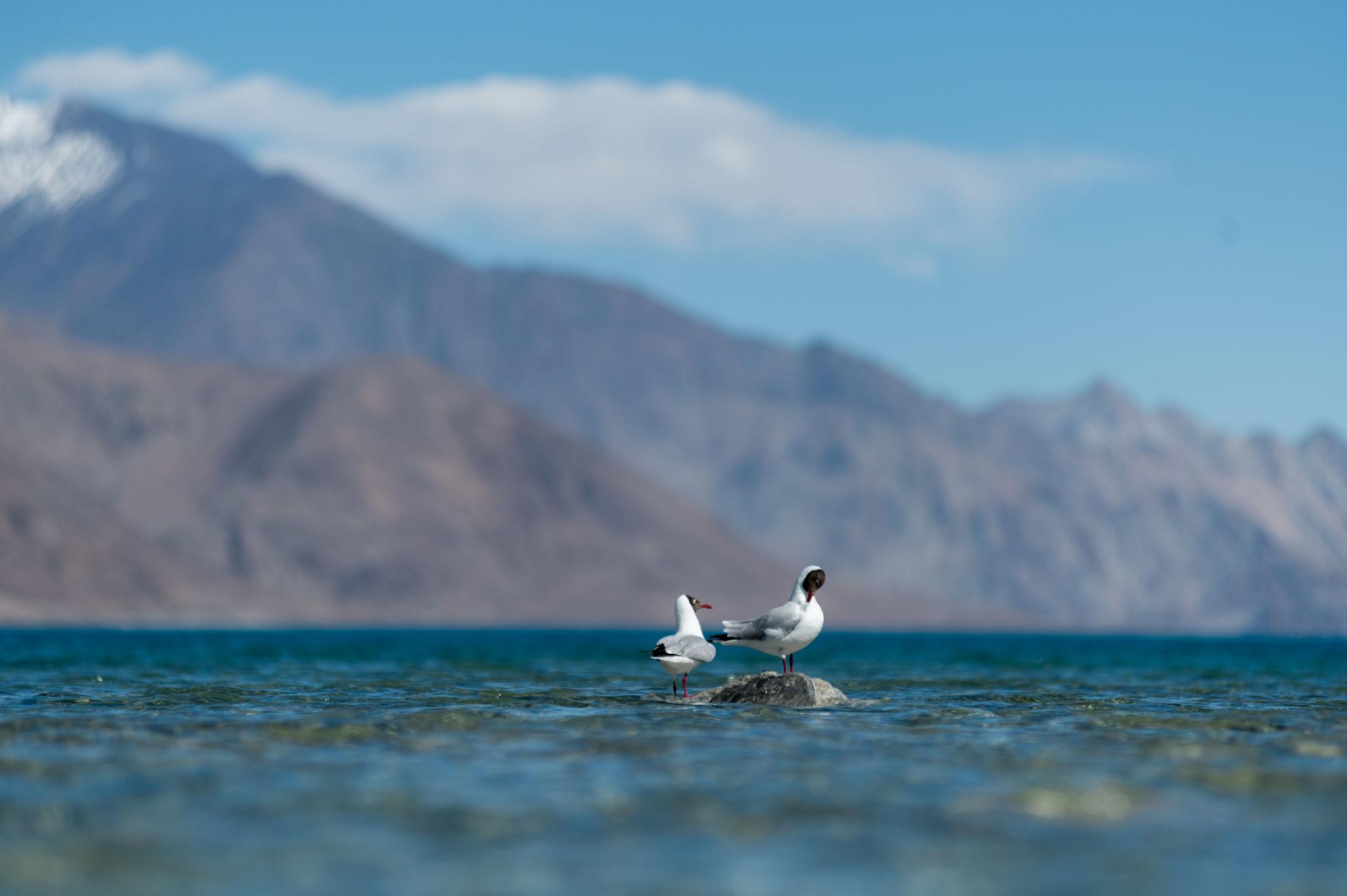
Pangong Tso is the image that defines Ladakh for the world, a 134-kilometre-long lake at 4,350 metres whose water shifts between turquoise, cobalt, and sapphire through the course of a single day as the light changes, the wind moves across the surface, and the shadows of clouds travel across the surrounding brown mountains. Two-thirds of the lake lies in Tibet; the Indian side covers approximately 45 kilometres and is accessible from Leh via the Chang La pass (5,360 m, the world's third-highest motorable pass). The Pangong shore at the village of Spangmik is where most visitors stay overnight in tent camps and the experience of sleeping at the lake edge, watching the stars reflect in the still water at midnight, and waking to find the lake a completely different colour from the evening before, is the single most-remembered experience in Ladakh tourism.
Best Time to Visit- June to October (lake accessible, road open) • June and October have the fewest tourists • July to August (peak season, tent camps fully operational) • Winter (November to May), lake partially or fully frozen, road usually closed, extraordinarily beautiful but very cold.
Places to Visit- Pangong Tso • Chang La Pass • Spangmik • Lukung • Merak • Maan • Shyok Valley • Tangtse • Durbuk.
What to Eat- Tent camp meals at Pangong • Instant noodles with thermos chai at the Chang La tea stall • Thukpa at Tangtse village • Carry packed food from Leh for the drive.
3. Nubra Valley- Dunes, Bactrian Camels, and High Passes
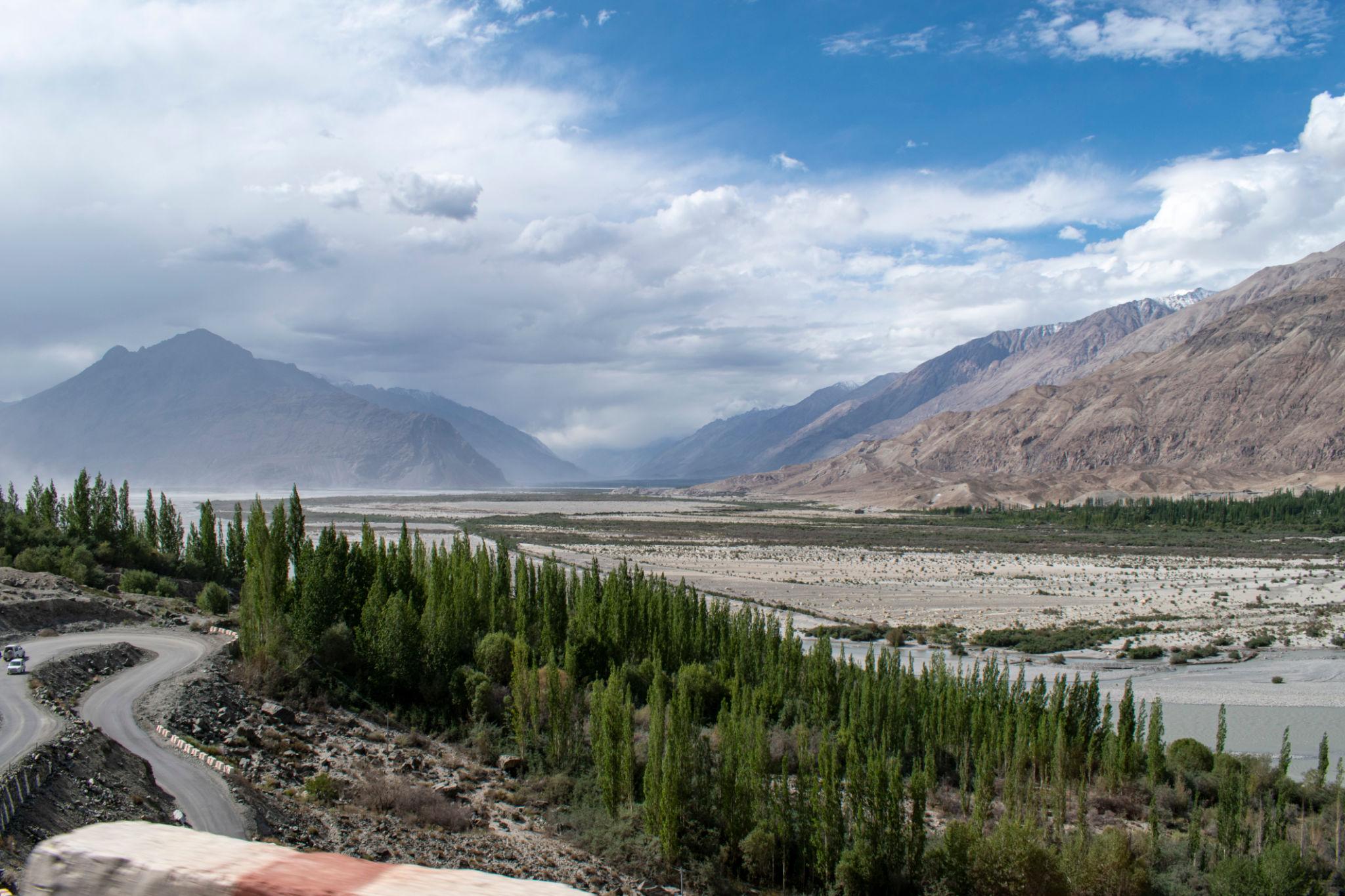
Nubra Valley sits north of Leh, accessible via the Khardung La pass (5,359 m, one of the world's highest motorable passes), and its landscape is so unexpected it takes a moment to process: after the barren rock of the Ladakh range, the valley opens into a broad, sandy floor where the Shyok and Nubra rivers meet, Bactrian double-humped camels (survivors of the ancient Silk Route trade) roam sand dunes at 3,100 metres, and villages of apricot orchards produce the finest dried apricots in India. The Diskit Monastery perched on a cliff above the valley floor is one of the oldest in Ladakh (14th century) and its 32-metre Maitreya Buddha statue, added in 2010, faces north towards Pakistan in a gesture of peace that the local monks explain with quiet pride. The Siachen Glacier (the world's longest non-polar glacier and a zone of ongoing military operation) lies in the northern arm of the Nubra Valley, inaccessible to civilians but visible from the Panamik hot springs area.
Best Time to Visit- June to September (Khardung La open, valley fully accessible) • July (Dosmoche Festival at Diskit Monastery- masked Cham dances) • October (apricot harvest, fewer tourists, golden valley light) • Winter (November to May) — Khardung La usually closed, valley cut off.
Places to Visit- Khardung La • Diskit Monastery • Hunder Sand Dunes • Panamik Hot Springs • Sumur • Samstanling Gompa • Turtuk • Shyok River • Siachen Base Area.
What to Eat- Apricots of Nubra • Butter Tea at Diskit Monastery • Thukpa at Hunder camps • Balti cuisine in Turtuk • Camp food at Hunder.
4. Tso Moriri- The Untouched Lake
Tso Moriri is Pangong Tso's less-visited twin, a 28-kilometre-long high-altitude lake in the Changthang Plateau at 4,522 metres, 240 kilometres southeast of Leh, that is consistently described by those who have seen both as more beautiful, more wildlife-rich, and more profound in its solitude. The lake is a Ramsar Wetland of International Importance and a protected conservation reserve, it is the breeding ground for the bar-headed goose (which migrates over the Himalayas at 9,000 metres, the highest migration route of any bird), the black-necked crane (one of the world's rarest cranes, which breeds only on high-altitude Tibetan plateau wetlands), and large populations of Kiang (Tibetan wild ass). The Changpa nomads who graze their pashmina goats around the lake shores in summer live in black yak-hair tents and represent one of the last true nomadic communities in India.
Best Time to Visit- June to October (road open, wildlife active) • June and September (bar-headed geese and black-necked cranes most visible at dawn) • July to August (Changpa nomads at the lake with their herds) • Winter lake may freeze, road often closed from November.
Places to Visit- Tso Moriri Lake • Korzok Village • Korzok Monastery • Tso Kar • Puga Valley • Morey Plains • Chumathang Hot Springs • Tanglang La Pass.
What to Eat- Korzok village homestay meals • Camp meals at the lake shore • Yak butter tea (po cha) • Dried yak meat snacks • Carry provisions from Leh, Korzok has very limited supplies.
5. Monastery Circuit- Thiksey, Hemis, Alchi, and Lamayuru
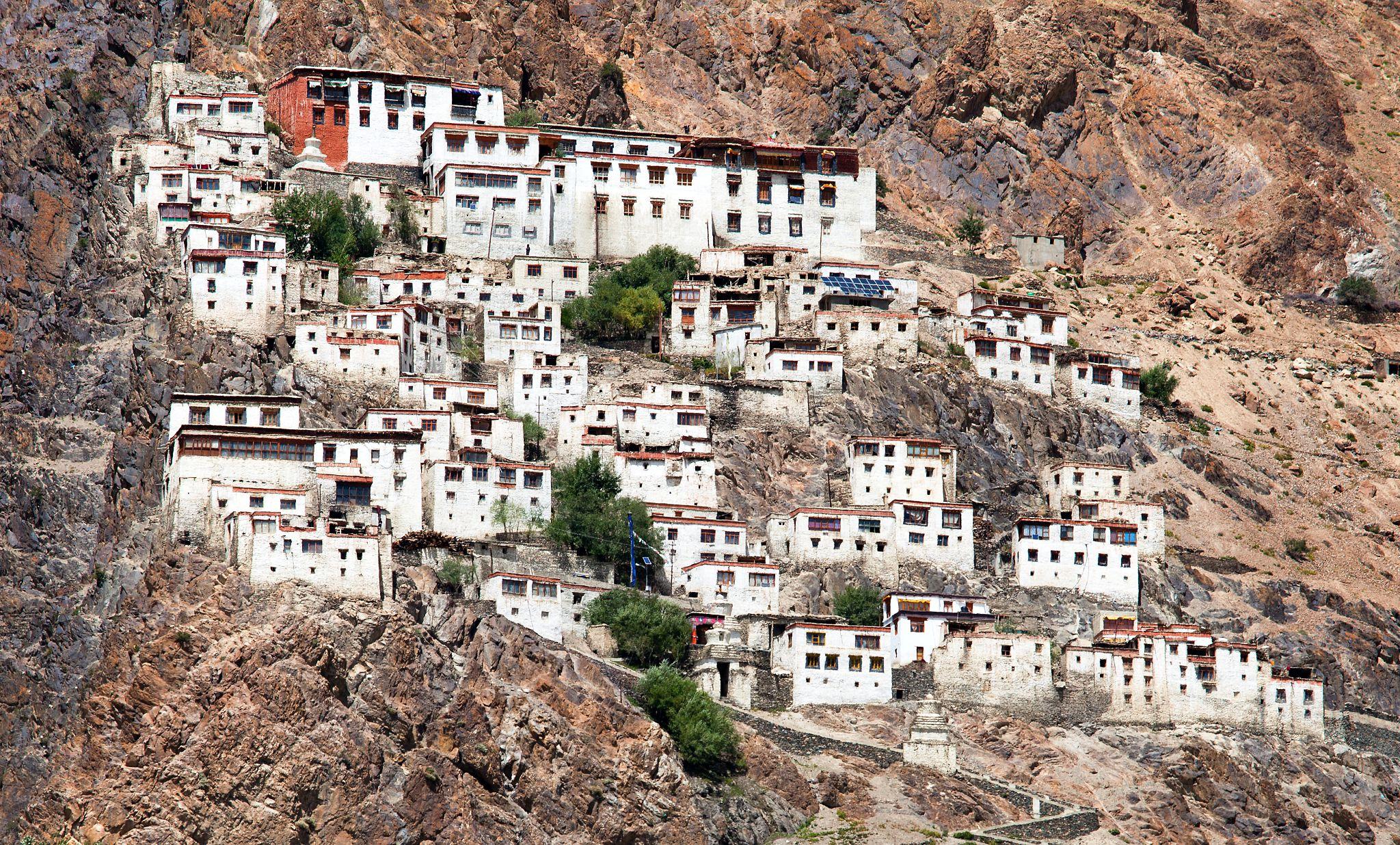
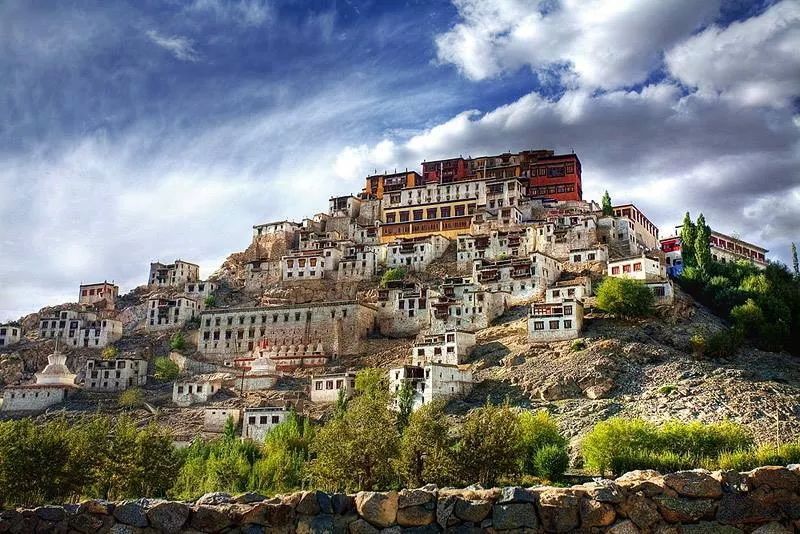
Ladakh has over 100 monasteries gompas and the circuit of the finest between Leh and the Zanskar range represents the most concentrated collection of living Tibetan Buddhist heritage outside Tibet itself. Four monasteries define the circuit: Thiksey (12 km from Leh), a 12-storey complex rising from a rocky hill that is the most photographed monastery in Ladakh; Hemis (45 km from Leh), the wealthiest and most historically significant monastery in Ladakh, home to the annual Hemis Festival and the largest thangka in existence; Alchi (70 km from Leh), the oldest monastery complex in Ladakh (11th century) in a riverside village, containing murals of extraordinary quality that predate the Tibetan Buddhist style; and Lamayuru (125 km from Leh), the oldest monastery in Ladakh, perched above the otherworldly Moonland landscape of eroded clay formations.
Best Time to Visit- June to October (all monasteries open, roads accessible) • June (Hemis Festival exact dates follow Tibetan calendar, usually late June) • September (Ladakh Festival at Leh Palace, all monasteries active) • Winter visits possible for Thiksey, Hemis, and Alchi but Lamayuru road may be affected.
Places to Visit- Thiksey Monastery • Hemis Monastery • Alchi Monastery • Lamayuru Monastery • Spituk Monastery • Chemrey Monastery • Likir Monastery • Stok Palace Museum.
What to Eat- Monastery kitchen dal and rice • Butter tea at Lamayuru village tea houses • Chhurpi • Apricot jam on local bread at Alchi village guest houses • Thukpa at Lamayuru.
6. Chadar Trek- Walking on the Frozen Zanskar River
The Chadar Trek is India's most extreme and most famous winter trek, a 75-kilometre journey along the frozen surface of the Zanskar River gorge, from Chilling to Lingshed and back, undertaken in January and February when temperatures drop to -30°C and the river freezes into a surface (chadar means sheet in Urdu) thick enough to walk on. The Zanskar gorge a canyon whose walls rise 300 metres above the frozen river is inaccessible by road for 8 months of the year; the frozen river is the only path into the interior Zanskar valley, and for the Zanskari villagers it has been the winter highway for centuries. The trek takes 8–10 days, sleeping in caves and under overhangs cut into the canyon walls, with temperatures that make even sleeping a physiological challenge. It is one of the most dramatic trekking experiences in the world and completely unlike any summer Ladakh experience.
Best Time to Visit- January to mid-February ONLY (the only window when the river freezes sufficiently) • Best: late January to early February • The chadar forms differently each year, some years it is excellent, some years poor (we monitor conditions and brief clients before departure) • NOT possible in any other season.
Places to Visit- Chilling (start) • Zanskar River Gorge • Tibb Cave • Nerak • Lingshed • Zanskar Valley.
What to Eat- All meals provided by our camp cook on the chadar, calorie-dense food essential at -30°C: dal, rice, sabzi, parathas, hot soup • Thermos of butter tea on the ice • Energy bars and dry fruits as trail snacks • Avoid alcohol (reduces core temperature at altitude).
7. Zanskar Valley- The Most Remote Valley in India
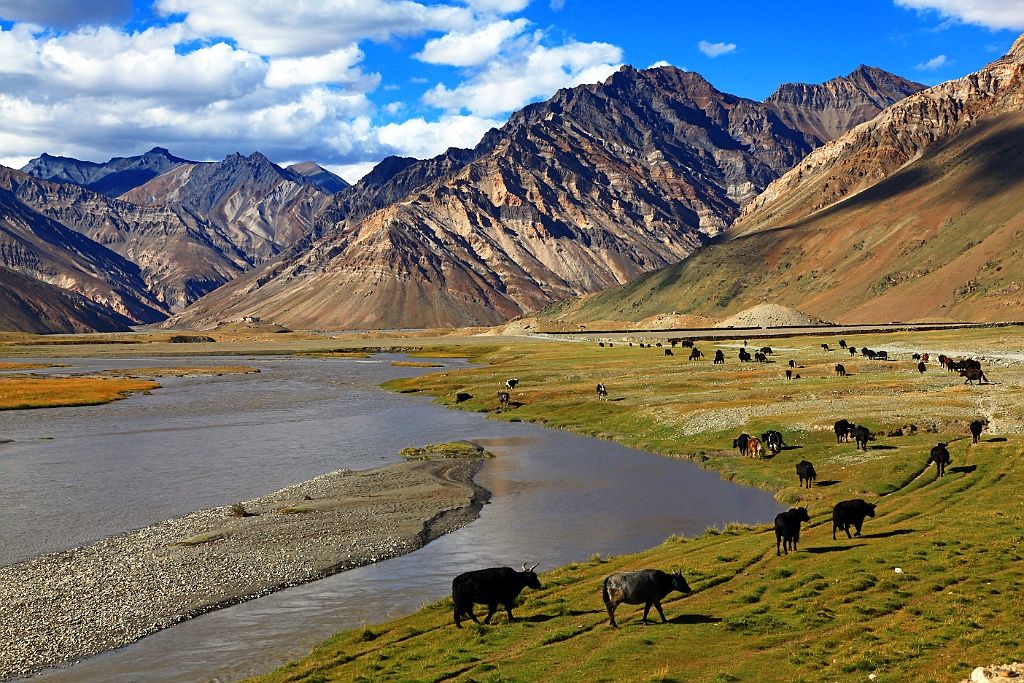
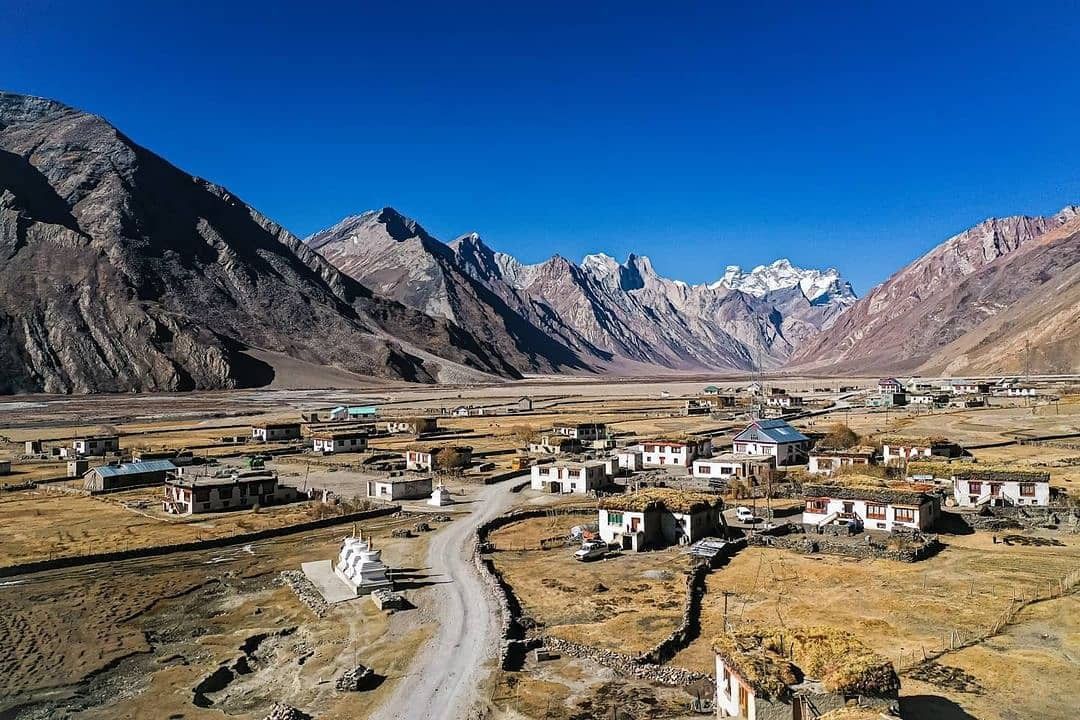
Zanskar is the most remote inhabited valley in India, a high-altitude plateau at 3,500 to 4,400 metres, surrounded on all sides by mountains that exceed 6,000 metres, accessible from Kargil by a single road that is open for only 4–5 months a year and was not completed until 1980. The Zanskar River gorge (used in winter as the Chadar Trek route) is the valley's natural boundary to the north; the Pensi La pass (4,400 m) is the road entry from Kargil. Within Zanskar: the twin monastery complex of Padum, the ancient Phugtal Monastery (carved into a cliff face above a gorge, accessible only by a 2-hour walk), the village of Zangla where the Zanskar royal family's castle stands, and trekking routes to the Markha Valley and Pin Parbati Pass that are among the finest multi-day treks in the Himalayas. Zanskar's isolation has preserved a cultural tradition, a dialect, and a way of life that is more closely related to 14th-century Tibet than to anything in modern India.
Best Time to Visit- July to September (road open, all treks accessible) • August (Gustor Festival at Padum Monastery- the largest festival in Zanskar) • Road typically opens July 1 and closes October/November • avoid October onwards (road closes, valley effectively inaccessible by road)
Places to Visit- Padum • Phugtal Monastery • Karsha Monastery • Zangla • Rangdum • Pensi La • Suru Valley • Nun-Kun Base • Stongde Monastery
What to Eat- Padum village guest house meals • Zanskar butter tea • Tsampa preparations • Dried apricots and walnuts from valley orchards • All provisions for camping must be carried from Kargil.
8. Leh to Manali Highway- India's Greatest Road Journey
The Manali-Leh Highway is the most celebrated road journey in India, a 479-kilometre route through the Himalayas that crosses five passes above 4,900 metres, passes through landscapes that shift from pine forest to alpine meadow to cold desert to river valley, and delivers travellers from the hill stations of Himachal Pradesh into the Buddhist high-altitude world of Ladakh over 2 days of driving. The five passes Rohtang (3,978 m), Baralacha La (4,890 m), Lachung La (5,065 m), Nakee La (4,739 m), and Tanglang La (5,328 m) are each at a different altitude and present a different challenge to drivers and passengers. The highway passes through the Lahaul Valley, the Pattan Valley, the Sarchu plateau (4,253 m), and the Morey Plains before descending to Leh. It is open only from May to October; in winter, the alternative route via Srinagar is the only road option.
Best Time to Visit- June to September (highway fully open) • June and September (best road conditions, fewer vehicles) • July to August (peak most traffic, roadworks likely near Rohtang) • Highway typically opens late May/early June after snow clearance • Closes October/November with first major snowfall.
Places to Visit- Rohtang Pass • Gramphu Junction • Jispa • Baralacha La • Sarchu • Lachung La • Pang • Morey Plains • Tanglang La • Upshi.
What to Eat- Jispa riverside dhabas (Himachali food, Rajma Chawal, Maggi, Dal) • Sarchu tent camp food (simple but calorie-dense at 4,253 m) • Military tea stall at Baralacha La • Roadside momos at Pang • Carry energy bars and water options are limited between passes.
9. Srinagar to Leh Highway- The Ancient Silk Route
The Srinagar-Leh National Highway (NH 1) is the older and more historically significant of Ladakh's two approach roads, it follows the ancient Silk Route trade path through the Indus Valley, past Kargil, through the Drass Valley (the second coldest inhabited place on earth), and along the Indus River to Leh. Unlike the Manali-Leh Highway which crosses high passes, the Srinagar-Leh route follows river valleys for most of its 434 kilometres, making it accessible for a longer season and providing a completely different landscape: the green Kashmir Valley giving way to the arid Ladakhi plateau in a transition that is both gradual and dramatic. The highway passes through Kargil the site of the 1999 India-Pakistan war, and the Drass War Memorial, making it a road with deep historical resonance beyond its scenic value.
Best Time to Visit- Year-round (the only road into Ladakh that stays open in winter, weather permitting) • June to October (best conditions, all towns accessible) • Winter (November to May) accessible but requires chains and cold-weather preparation; the only way into Leh when Manali-Leh is closed.
Places to Visit- Sonamarg • Zoji La • Drass • Kargil • Mulbekh • Namika La • Fotu La • Lamayuru • Khalsi • Alchi • Nimmu.
What to Eat- Kargil's Kashmiri-influenced food (the town is Shia Muslim majority Kashmiri Wazwan, Rogan Josh, Kehwa) • Drass dhabas (simple but warm) • Mulbekh village tea houses • Nimmu and Khalsi apricot orchards (buy fresh or dried fruit from roadside stalls in summer).
10. Markha Valley Trek- Ladakh's Finest Multi-Day Trek
The Markha Valley Trek is the most popular multi-day trek in Ladakh, a 65-kilometre circuit that begins at Chilling on the Zanskar River, crosses the Kongmaru La (5,150 m), descends through the Markha Valley past ancient monasteries and nomad encampments, and returns to Leh via the Gandala La (4,900 m). The trek takes 6–8 days and crosses through four distinct landscapes: the Zanskar River canyon, the open Markha Valley with its barley and pea fields, the high grazing pastures of Nimaling (4,700 m) where Changpa nomads graze their pashmina herds in summer, and the Hemis National Park, the largest national park in India, home to the snow leopard. The Markha Valley is considered the accessible introduction to Ladakhi high-altitude trekking — the trails are well-marked (by Ladakhi standards), tea houses are available in the main villages, and the altitude gain is graduated enough to allow reasonable acclimatisation.
Best Time to Visit- June to October (trail fully accessible) • July (wildflowers on the Nimaling plateau) • September (best overall: wildflowers fading but skies clearest, nomads still at Nimaling) • Snow leopard sightings: winter (November to February) in Hemis National Park, but the Markha trek is not possible in winter.
Places to Visit- Chilling • Zanskar River • Skiu • Markha Village • Hankar • Nimaling • Kongmaru La • Hemis National Park • Gandala La.
What to Eat- Markha Valley homestay meals • Nimaling camp food • Chhurpi as trail snack • Butter tea at every village • Apricots from the Markha village orchards.
11. Kargil and the Suru Valley- Ladakh’s Greenest Himalayan Corridor
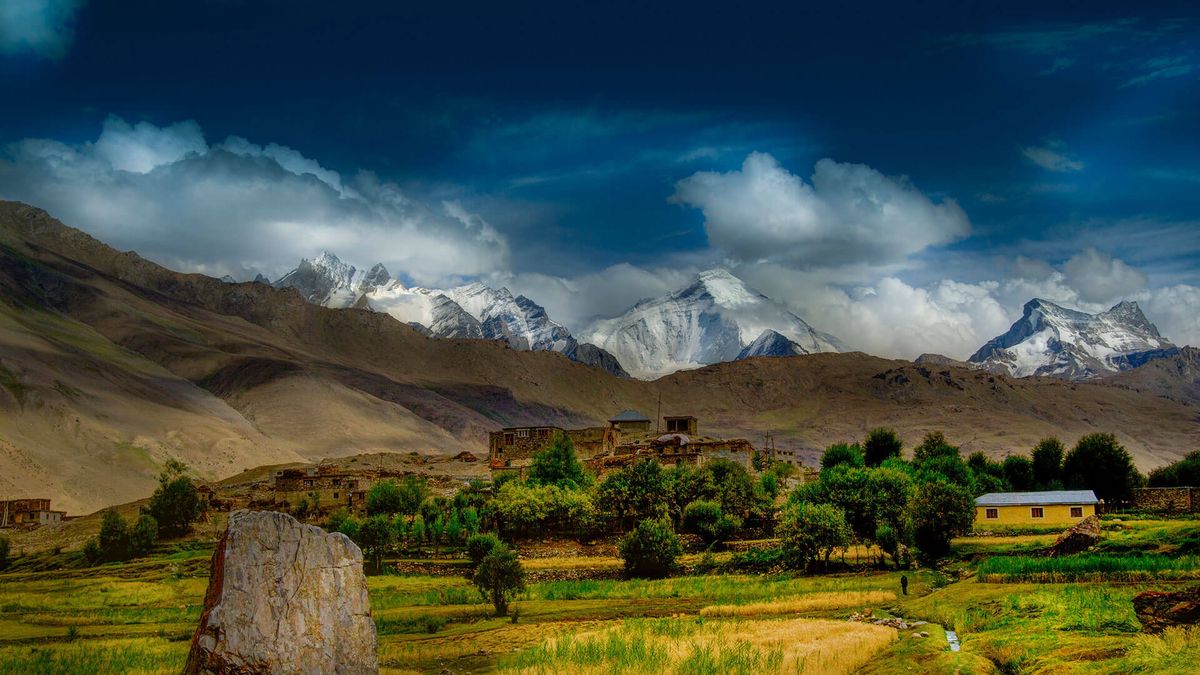
Kargil and the Suru Valley form one of the least-visited yet most visually extraordinary regions in Ladakh, a landscape where green agricultural valleys, glacier-fed rivers, apricot orchards, and snow-covered Himalayan peaks replace the stark brown desert scenery more commonly associated with Leh. Located on the Srinagar-Leh Highway, Kargil sits at the crossroads of Kashmir, Baltistan, and Ladakh, and has historically been an important Silk Route trading town. South of Kargil, the Suru Valley follows the Suru River toward the towering Nun-Kun massif — twin peaks rising above 7,000 metres and among the highest mountains in the Indian Himalayas outside the Karakoram. Villages like Sankoo, Panikhar, and Rangdum preserve a slower, more traditional mountain lifestyle, while the valley itself is considered one of the most beautiful approaches to Zanskar.
Best Time to Visit- June to September (green valley landscapes, clear mountain views, road fully accessible) • July and August (peak greenery and best weather) • September (golden autumn colours, fewer tourists) • Winter (November to April) heavy snowfall cuts off many valley sections and temperatures drop significantly
Places to Visit- Kargil Town • Suru Valley • Sankoo • Panikhar • Rangdum • Nun-Kun Massif • Mulbekh Monastery • Drass • Tiger Hill • Pensi La Pass
What to Eat- Kargil’s Kashmiri and Balti-influenced cuisine (Rogan Josh, Kehwa, local breads) • Apricots and walnuts from Suru Valley orchards • Butter tea in Rangdum village • Traditional village meals in Panikhar homestays • Fresh trout in select riverside guest houses
12. Khardung La Pass- Gateway to Nubra Valley
Khardung La is one of the world’s most famous high-altitude mountain passes, a dramatic gateway connecting Leh to Nubra Valley at an elevation of 5,359 metres. For decades it was promoted as the world’s highest motorable road and remains one of Ladakh’s most iconic travel experiences. The pass sits on the ancient caravan route that once connected Leh with Central Asia through the Karakoram Pass, carrying silk, tea, spices, and pashmina wool between Tibet, Ladakh, and Yarkand. Today, Khardung La is both a strategic military road and a bucket-list destination for travellers, bikers, and road-trip enthusiasts. The ascent from Leh climbs rapidly through barren mountains, army camps, prayer-flag-covered viewpoints, and snow-covered ridges before opening toward the vast landscapes of Nubra Valley beyond.
Best Time to Visit- May to October (road generally open and accessible) • June to September (best road conditions and clear weather) • Winter (November to April) heavy snowfall may temporarily close the pass • Early mornings offer the clearest skies and least traffic
Places to Visit- Khardung La Top • South Pullu • North Pullu • Nubra Valley • Diskit Monastery • Hunder Sand Dunes • Khardung Village • Leh
What to Eat- Tea and Maggi at the Khardung La army cafe • Butter tea in roadside dhabas • Thukpa in Nubra Valley camps • Apricot snacks carried from Leh • Hot soup and momos at South Pullu check post cafes.
Adventurous Activities in Ladakh Holiday Tour Packages
Ladakh is one of India’s greatest adventure destinations, offering thrilling experiences across high mountain passes, frozen rivers, remote valleys, and rugged Himalayan landscapes. Our Ladakh tour packages include some of the most iconic adventure activities in the Himalayas for bikers, trekkers, photographers, and thrill seekers.
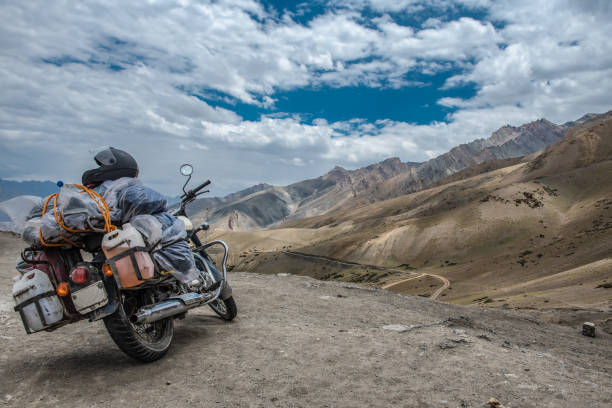
1. Bike Trips Across High Mountain Passes- A motorcycle journey through Ladakh is considered one of the world’s great road-trip experiences. Ride across legendary passes like Khardung La, Chang La, and Tanglang La while travelling through dramatic landscapes of snow-covered peaks, barren mountains, and deep river valleys. The Leh–Manali and Srinagar–Leh highways are especially popular among Royal Enfield riders.
2. Chadar Trek on the Frozen Zanskar River- The famous Zanskar River Chadar Trek is one of the most extreme winter treks in the world. During January and February, trekkers walk directly on the frozen river through narrow Himalayan gorges while temperatures fall below -25°C. The trek combines adventure, endurance, and the unique winter culture of remote Zanskar villages.
3. Trekking in Markha Valley and Zanskar- Ladakh offers some of India’s finest high-altitude trekking routes. The Markha Valley Trek passes through traditional Ladakhi villages, monasteries, river crossings, and high passes above 5,000 metres. More experienced trekkers can explore remote routes in Zanskar Valley, including the Padum-to-Leh trail and the rugged Darcha-Padum route.
4. River Rafting on the Indus and Zanskar Rivers- White-water rafting in Ladakh combines adventure with extraordinary Himalayan scenery. The Indus River section near Leh is suitable for beginners, while the Zanskar River gorge offers more technical rapids and dramatic canyon landscapes. Rafting routes pass monasteries, cliffs, remote villages, and deep mountain gorges.
5. Camping Beside Pangong and Tso Moriri- Overnight camping at Pangong Tso and Tso Moriri is one of Ladakh’s most unforgettable experiences. Watching the lakes change colour at sunrise and sunset, stargazing under crystal-clear skies, and sleeping beside high-altitude Himalayan lakes create an experience unlike anywhere else in India.
6. Camel Safari in Nubra Valley- The sand dunes of Nubra Valley offer one of Ladakh’s most unusual adventure experiences — riding rare double-humped Bactrian camels through cold desert landscapes surrounded by snow-covered mountains. Sunrise camel rides across the Hunder dunes are especially memorable.
7. Wildlife and Snow Leopard Expeditions- Ladakh is one of the best places in the world to spot the elusive snow leopard. Winter wildlife expeditions in Hemis National Park combine trekking, photography, and tracking with expert local wildlife guides. The region is also home to blue sheep, Himalayan wolves, Tibetan wild asses (Kiang), and black-necked cranes.
Ladakh Beyond the Highlights- Off-Beat Experiences Worth Adding
If you have extra days or a spirit of exploration, these experiences are worth building into your package.
Homestay experience in Turtuk: One of the northernmost villages in India, Turtuk was part of Pakistan until 1971. It is Balti in culture, extraordinary in landscape, and almost entirely off the tourism radar.
Alchi Monastery: Unlike the clifftop monasteries that dominate Ladakh's skyline, Alchi sits in a valley along the Indus and contains 11th-century murals of extraordinary artistry considered among the finest Buddhist paintings anywhere in the Himalayas.
Dah-Hanu (Aryan Valley): Home to the Drokpa people, believed to be descendants of Alexander the Great's soldiers, with a distinct culture and appearance unlike any other community in Ladakh.
Phugtal Monastery: Accessible only on foot, this cave monastery in Zanskar literally grows out of a cliff face. Few photographs adequately prepare you for seeing it in person.
Lamayuru Moonland Sunrise: Most visitors pass through Lamayuru as a transit point. Those who stay overnight are rewarded with a sunrise over the moonscape that is genuinely unforgettable.
Dark Sky Stargazing: Ladakh has minimal light pollution and extremely clear, high-altitude air. Several camps and operators now offer dedicated stargazing sessions with telescopes. The Milky Way here is visible to the naked eye with a clarity that is difficult to describe.
Acclimatization- The Non-Negotiable Priority
No section about Ladakh tour packages is complete without this. Altitude sickness (Acute Mountain Sickness, or AMS) affects a significant percentage of visitors to Leh, which sits at 3,524 meters. Symptoms include headache, nausea, dizziness, and in serious cases, fluid in the lungs or brain both life-threatening.
The golden rule: Rest on arrival day in Leh. Do not exert yourself. Do not consume alcohol. Drink water constantly.
Good packages build in Day 1 in Leh as a rest and local acclimatization day, visiting only low-effort sites like the market, Shanti Stupa, and perhaps a short walk to Leh Palace. Do not let anyone no matter how enthusiastic their itinerary sounds talk you out of this day.
Diamox (acetazolamide) is a prescription medication used to prevent and treat AMS. Discuss it with your physician before departing.
Permits Required for Ladakh
Several areas in Ladakh require Inner Line Permits (ILPs), as they are near international borders. These must be obtained before visiting. Your tour operator will typically arrange them, but it's good to know what's needed.
Areas requiring Inner Line Permits:
- Nubra Valley
- Pangong Tso
- Tso Moriri and Tso Kar
- Dah Hanu (the Aryan Valley near Kargil)
Foreign nationals require Protected Area Permits (PAPs) for some of these areas. Always verify current permit requirements at the time of booking, as these regulations can change.
Permits are generally issued at the Leh DC Office, Kargil DC Office, or via registered tour operators and travel agents. Many operators now facilitate digital permits, which has made the process smoother.
Best Time to Plan your Ladakh Trip
Summer (May to September) Peak Season- This is when Ladakh is fully accessible and buzzing with activity. The Manali–Leh and Srinagar–Leh highways open between May and June. Pangong Lake reflects the clearest blues. The landscapes are dotted with wildflowers. Most festivals take place during this window, including Hemis Tsechu in June/July. Temperatures are pleasant in the valleys (10°C–25°C in Leh) though nights remain cold. July and August bring some rainfall to the Leh valley, though this is minimal compared to the rest of India.
Early Season (April to Mid-May)- Snow covers the higher passes and some roads are still closed. However, Leh and nearby monasteries are accessible, the landscape is dramatic, and the crowds are thin. Some travelers prefer this window for photography and a quieter experience.
Autumn (October to early November)- Arguably Ladakh's most beautiful season. The summer rush is over, the air is crystal clear, and the autumn gold of the poplars lining the river valleys is stunning. Pangong Lake is accessible through October. Temperatures drop significantly at night.
Winter (December to March)- Most of Ladakh shuts down for tourism. Roads are buried. The Zanskar River freezes into the Chadar Trek route, which runs for a brief window in January–February. A handful of hardcore travelers and Chadar trekkers make up the winter tourist population.
How to Reach Ladakh?
By Air: Kushok Bakula Rimpochee Airport in Leh is one of the highest airports in the world. Direct flights operate from Delhi, Mumbai, Srinagar, Jammu, and Chandigarh. Flights typically take 1–1.5 hours from Delhi. Book early seats fill up fast in peak season and fares can be high.
By Road- Manali–Leh Highway (NH3): Approximately 480 km, usually done in 2 days with an overnight halt at Jispa or Sarchu. Open roughly June to October depending on snowfall. This route includes some of India's most spectacular high-altitude road driving.
By Road- Srinagar–Leh Highway (NH1): Approximately 434 km, typically a 2-day drive with an overnight in Kargil. Open roughly May to November. Passes through the Drass valley, second coldest inhabited place on Earth.
Popular Best Selling Ladakh Tour Packages
We offer a wide range of carefully designed Ladakh tour packages for every kind of traveller:
Leh & Pangong Lake Tour (5–6 Days)- Perfect for first-time visitors covering Leh, Shanti Stupa, Pangong Tso, and local monasteries.
Classic Ladakh Circuit (7–9 Days)- Leh → Nubra Valley → Pangong Lake → Khardung La → Monastery Circuit. Our most popular Ladakh package.
Ladakh Bike Trip Package (8–10 Days)- Ride through Khardung La, Chang La, Nubra Valley, Pangong, and the Leh–Manali Highway on Royal Enfield motorcycles.
Ladakh Adventure & Trekking Tour (9–12 Days)- Includes trekking in Markha Valley, camping, rafting, and high-altitude Himalayan experiences.
Pangong & Nubra Luxury Camp Tour (6–8 Days)- Luxury stays beside Pangong Lake and Nubra Valley with premium camps and scenic road trips.
Zanskar & Tso Moriri Expedition (10–14 Days)- Explore remote valleys, high-altitude lakes, monasteries, and the untouched landscapes of eastern Ladakh.
Why Choose Our Ladakh Tour Packages?
A trip to Ladakh is unlike any other destination in India. The region's high altitude, remote landscapes, changing weather conditions, and long travel distances require careful planning to ensure a safe, comfortable, and memorable experience. At Vayable Trip, we design Ladakh tour packages that balance adventure, comfort, and authentic local experiences, allowing you to enjoy the Himalayas without worrying about logistics.
Expertly Planned Ladakh Itineraries
Our itineraries are designed with proper acclimatization, realistic travel schedules, and carefully selected destinations to help travelers enjoy Ladakh safely while maximizing their experience.
Customized Packages for Every Traveler
Whether you're planning a honeymoon, family vacation, bike expedition, luxury holiday, group trip, or solo adventure, we tailor every Ladakh package to match your travel style, budget, and interests.
Comfortable Hotels, Camps & Unique Stays
From boutique hotels in Leh and luxury camps near Pangong Lake to scenic stays in Nubra Valley and Hanle, we carefully select accommodations that enhance your Ladakh experience.
Experienced Local Drivers & Reliable Transport
Ladakh's mountain roads demand experience and local knowledge. Our professional drivers and well-maintained vehicles ensure a safe and comfortable journey through some of the world's highest motorable roads.
Perfectly Designed Road Trips
Whether you choose the legendary Srinagar-Leh Highway or the adventurous Manali-Leh route, our road trip itineraries are carefully structured to provide the best scenery, comfort, and acclimatization.
Authentic Local Experiences
Beyond sightseeing, we help travelers experience Ladakh's culture through monastery visits, local village interactions, traditional Ladakhi cuisine, stargazing experiences, camel safaris in Nubra Valley, and hidden Himalayan landscapes.
Transparent Pricing & Flexible Customization
Our Ladakh holiday packages come with clear inclusions, flexible upgrades, and no hidden costs. You can customize hotels, transportation, activities, and trip duration according to your requirements.
Ready to Choose Ladakh Holiday Packages from Vayable Trip
Vayable Trip offers customised Ladakh tour packages designed for adventure, comfort, and authentic Himalayan experiences. Our itineraries focus on proper acclimatisation, carefully planned routes, experienced local drivers, and handpicked stays to ensure a safe and memorable journey through Ladakh.
Whether you are planning a bike trip, family holiday, trekking adventure, honeymoon, or photography expedition, we help travellers experience the best of Leh, Pangong, Nubra Valley, Zanskar, and Ladakh’s iconic mountain passes with reliable support and expertly curated itineraries.
Book your Ladakh tour package today and explore the breathtaking landscapes, monasteries, lakes, and high-altitude adventures of India’s most extraordinary Himalayan destination with Vayable Trip.